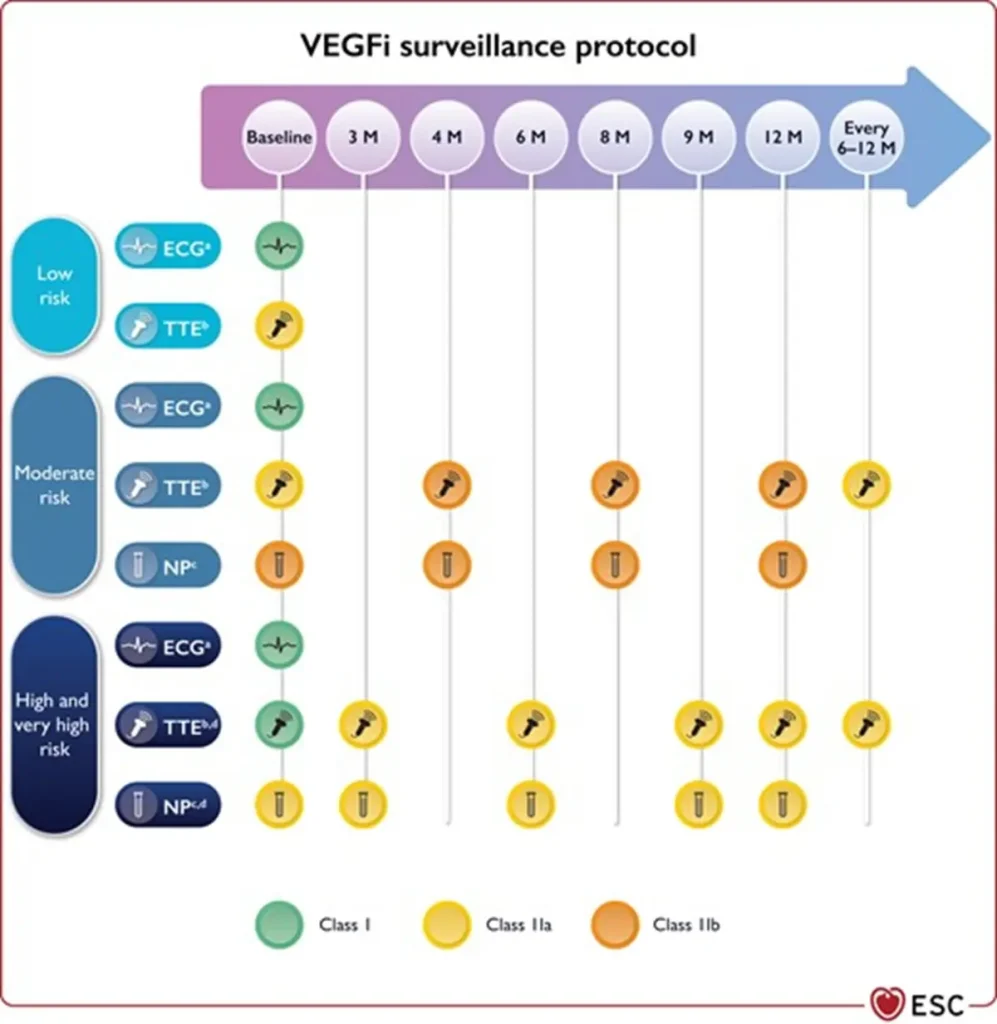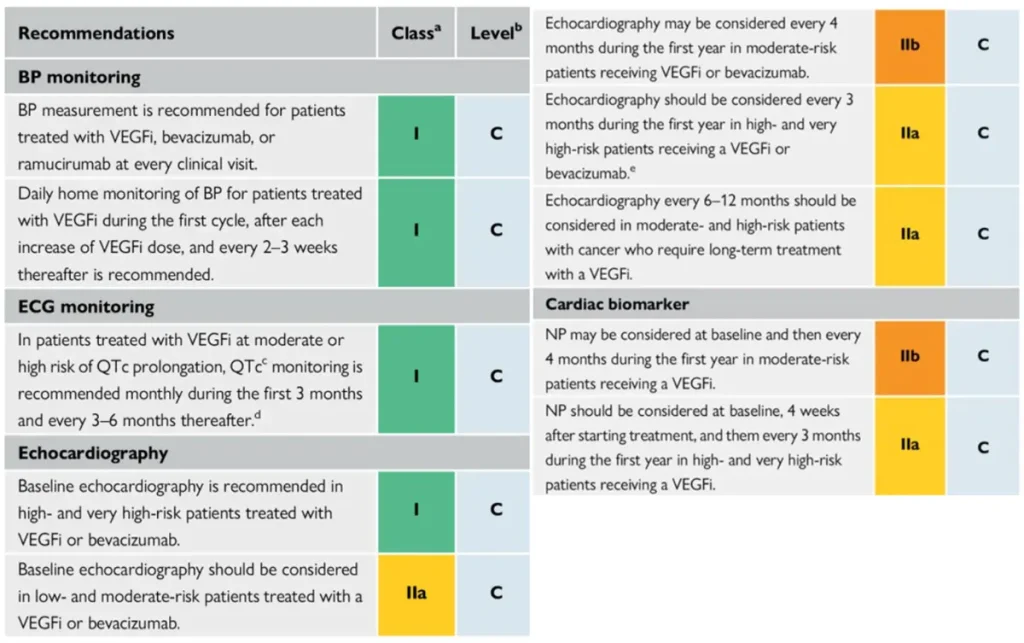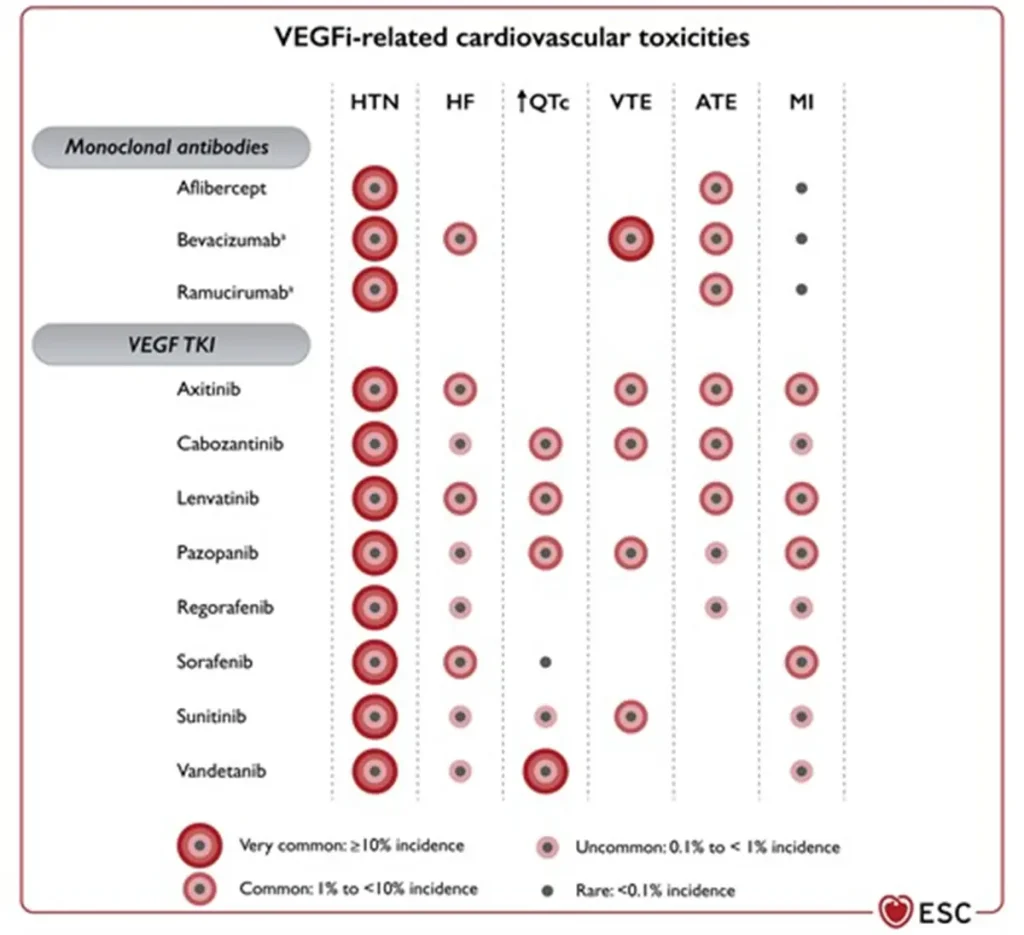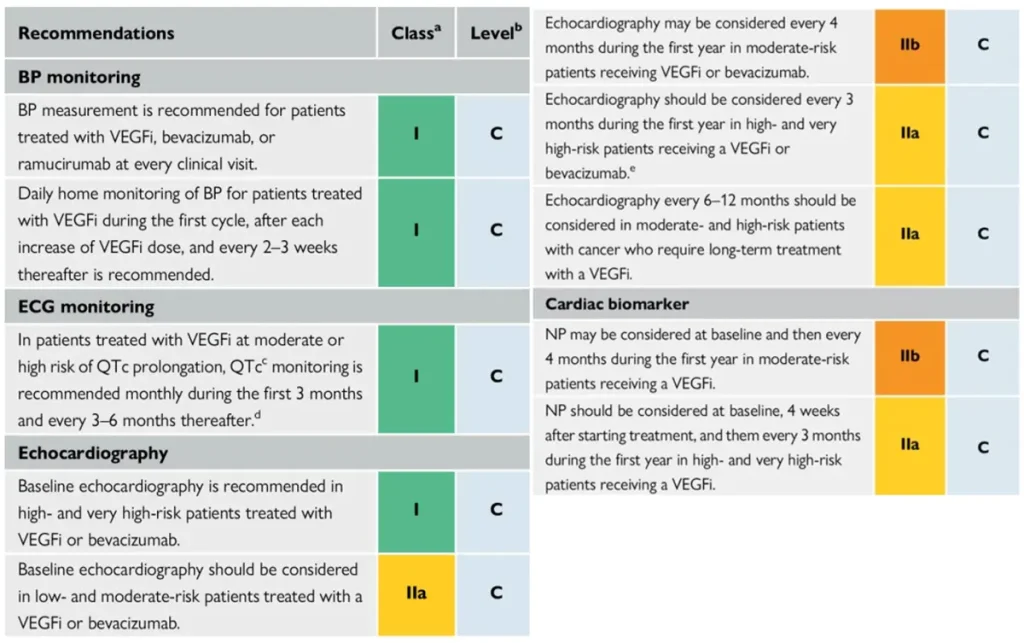
Info

For Cardiologists

The ESC Cardio-Oncology Guidelines emphasize that CV risk prevention should start at the time of cancer diagnosis and before initiation of therapy. This allows:

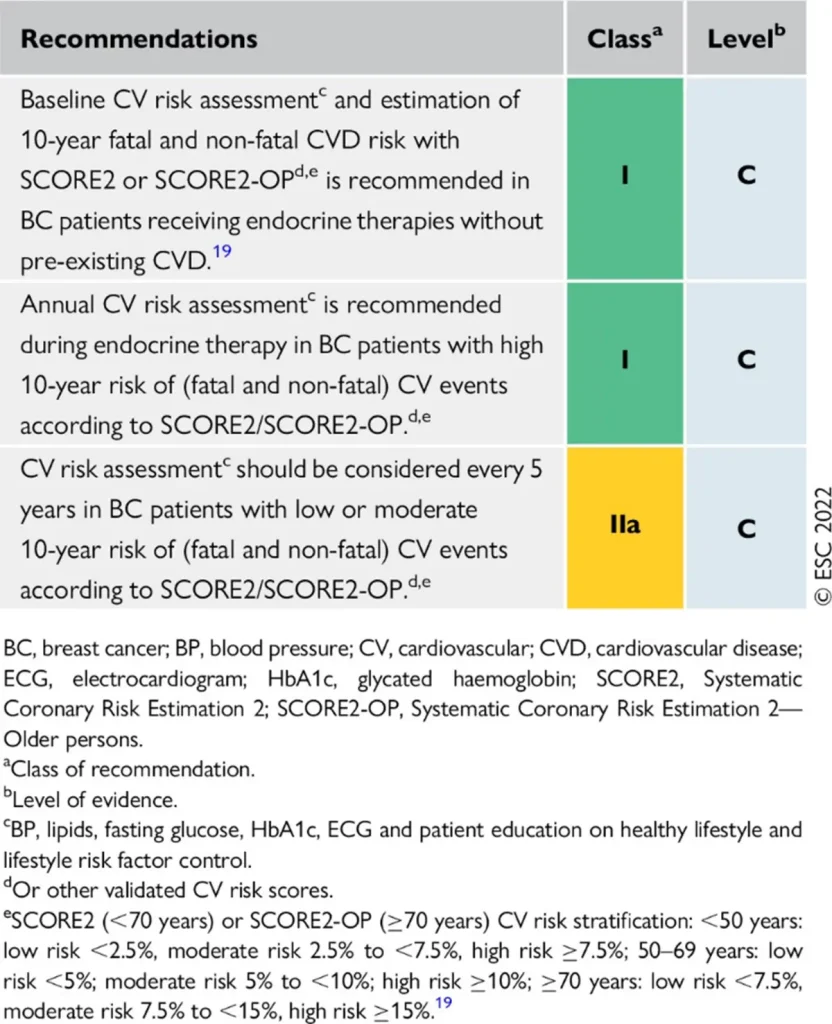
  • identification of pre-existing CV disease and risk factors; (SCORE2 and SCORE2-OP)
  • estimation of cardiotoxicity risk related to the planned cancer therapy;
  • timely optimization of modifiable risk factors;
  • referral to cardio-oncology services for high-risk patients.

CTR-CVT risk is dynamic — it can evolve throughout cancer therapy and survivorship. Regular reassessment is recommended.

Baseline Cardiovascular Toxicity Risk Assessment

A systematic and personalized baseline assessment is mandatory before potentially cardiotoxic therapy.
The process integrates medical history, physical exam, laboratory evaluation, imaging, and structured risk scoring.

General Approach

Checklist for baseline assessment:


CategoryComponents
Medical history
  • Pre-existing cardiovascular disease (CVD)
  • Prior cardiotoxic cancer therapies
  • Traditional CV risk factors:

hypertension, diabetes, dyslipidemia, smoking, obesity, sedentary lifestyle, alcohol use

Physical examination
  • Vital signs
  • Blood pressure
  • Heart rate
Laboratory tests
  • Lipid profile
  • Fasting glucose, HbA1c
  • Kidney function (eGFR)
  • ± Cardiac biomarkers (hs-troponin, BNP/NT-proBNP) depending on risk and treatment plan.

Of note: NTproBNP is not reimbursed in Belgium

ECG
  • Recommended for all patients
  • Assessment of rhythm, QTc, conduction abnormalities
Transthoracic echocardiography (TTE)
  • A complete TTE exam is mandatory, including
  • LVEF and GLS measurements

if available, consider 3D LVEF)

Other imaging
  • Cardiac MRI if echocardiography is non-diagnostic
Functional assessment
  • Optional cardiopulmonary exercise testing (CPET) in selected preoperative or high-risk cases

Risk stratification​

Cardiology or Cardio-oncology Referral

Cardio-oncology referral in all patients with (moderate (Class IIb) to) high/very high (Class I) risk before anti-cancer therapy:

Age >65 years

Multiple uncontrolled cardiovascular risk factors

Preexisting heart disease

Uncontrolled arterial hypertension

Any abnormal findings on the baseline TTE or ECG

High or very high risk for cardiotoxicity based on Cardio-Oncology Society (HFA–ICOS) risk calculator (CancerCalc – HFA–ICOS Risk Calculator)

During treatment cardio-oncology referral, if:

Decrease of LVEF by 10% from the baseline, or new LVEF reduction to <50%

Decrease of GLS >15% from the baseline

Development of uncontrolled arterial hypertension

Development of atrial fibrillation or other arrhythmias

New cardiovascular signs and symptoms

CTRCD & Heart failure in Anthracyclines

Incidence

  • Anthracycline administration can result in myocardial injury, LV dysfunction, and heart failure.
  • Incidence ranges from 3% to 48%, depending on anthracycline type, cumulative dose, concomitant cardiotoxic agents, and baseline cardiovascular risk.
  • Early detection increases the likelihood of reversibility with ACE-I and β-blocker therapy.

Types of Anthracycline Cardiotoxicity

  • Acute: during or immediately after treatment; usually reversible (<1%).
  • Early-onset: within 1 year post-treatment; most cases are asymptomatic LVEF decline (~98%).
  • Late-onset: >1 year after exposure; typically presents as hypokinetic and/or dilated cardiomyopathy.

Diagnosis
Diagnosis is based on:

  • New cardiovascular symptoms
  • New abnormalities on cardiac imaging
  • New elevation in cardiac biomarkers

 Risk Assessment

The risk of anthracycline-related CTRCD depends on baseline cardiovascular factors, cancer type, and prior or planned therapies.
A comprehensive baseline CV risk assessment is recommended (https://www.heartscore.org/en_GB/ ), as well as cardiotoxicity risk assessment (https://www.cancercalc.com/hfa-icos_cardio_oncology_risk_assessment.php) .

Anthracycline equivalent dosis calculator: https://www.cancercalc.com/anthracycline.php
Prevention of Anthracycline-Related CTRCD

  • Beta-blockers and RAAS inhibitors (RAASi):
    Early studies suggested benefit with combined therapy; however, subsequent trials have not consistently confirmed these findings.
  • ARNi:
    No systematic clinical evidence currently supports ARNi for primary prevention of CTRCD. Randomized trials ongoing.
  • Mineralocorticoid receptor antagonists (MRAs):
    Limited evidence suggests a potential protective effect on systolic and diastolic function; more robust data are required.
  • SGLT2 inhibitors:
    Show promise based on preclinical and observational data, with meta-analyses suggesting reductions in HF hospitalizations and new HF diagnoses. Further prospective randomized studies are needed.
  • Statins:
    May be considered in high-risk patients, although evidence remains mixed.
  • Ivabradine:
    No clear benefit has been demonstrated for HF prevention in cancer patients.
  • Lifestyle and treatment-related strategies:
    • Optimize pre-existing cardiovascular disease and risk factors
    • Aerobic exercise before and during anthracycline therapy is recommended.
    • Consider liposomal anthracyclines, dose reduction, or prolonged infusion time in patients at increased risk.
    • Dexrazoxane may be used in high- or very high-risk patients, although availability varies by region.

treatment

 
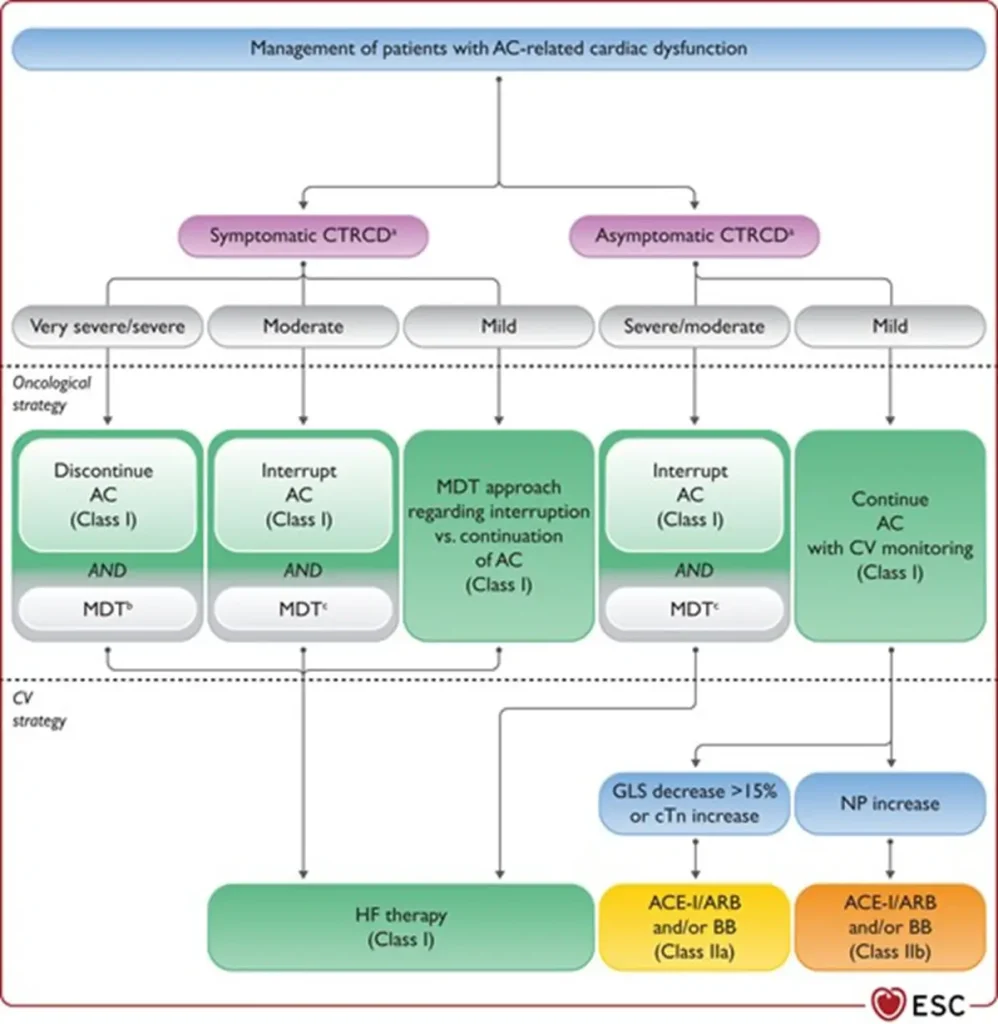
Interruption of anthracycline therapy ° Multidisciplinary discussion recommended to balance oncological benefit and cardiovascular risk after new CTRCD ° Discontinue anthracyclines in severe symptomatic CTRCD ° Temporarily interrupt anthracyclines in: – Moderate symptomatic CTRCD – Moderate or severe asymptomatic CTRCD
Heart failure therapy Initiate and uptitrate guideline-directed HF therapy in: – Symptomatic moderate or severe CTRCD – Asymptomatic severe CTRCD
Mild asymptomatic CTRCD Consider ACE-I, ARB, or beta-blocker while continuing anthracycline therapy uninterrupted
Exercise Aerobic exercise is recommended before and during anthracycline therapy

Permissive cardiotoxicity

Continuation or initiation of cardiotoxic cancer therapy (e.g. anthracyclines, trastuzumab) may be feasible in selected patients with mild–moderate cardiotoxicity or pre-existing cardiac disease.

Key elements of perimissive cardiotoxicity:

  • MDT shared decision-making,
  • a predefined cardiac monitoring plan (every 1–2 cycles),
  • implementation of cardioprotective strategies
Rechallenge with Anthracylines


Eligibility for anthracycline rechallengeIn patients with mild or moderate symptomatic CTRCD, or moderate/severe asymptomatic CTRCD, restarting anthracycline therapy after recovery of LV function should be evaluated in a multidisciplinary team (MDT)
Dose considerations

Consider dose reduction:

  • Low cumulative dose (240–300 mg/m²): low cardiotoxicity risk
  • High cumulative dose (>400 mg/m²): cardiotoxicity risk increases by >5%, even in absence of known heart disease
Schedule modification

Consider:

  • Weekly vs 3-weekly dosing
  • Prolonged infusion (72 h vs 48 h)
FormulationConsider switching to liposomal anthracyclines
CardioprotectionConsider dexrazoxane before each cycle (not reimbursed in Belgium)
Heart failure therapyAerobic exercise is recommended before and during anthracycline therapy
Cardiac monitoringClose surveillance every 1–2 treatment cycles

Permissive cardiotoxicity

Continuation or initiation of cardiotoxic cancer therapy (e.g. anthracyclines, trastuzumab) may be feasible in selected patients with mild–moderate cardiotoxicity or pre-existing cardiac disease.

Key elements of perimissive cardiotoxicity:

  • MDT shared decision-making,
  • a predefined cardiac monitoring plan (every 1–2 cycles),
  • implementation of cardioprotective strategies

References

  • Lyon A et al (2022) 2022 ESCGuidelines on cardio-oncology developed in collaboration with the European  HematologyAssociation(EHA), the European Society for Therapeutic Radiology and  Oncology (ESTRO) and the International  Cardio-Oncology Society (IC-OS). European Heart Journal (2022) 43, 4229–4361  https://doi.org/10.1093/eurheartj/ehac2447
  • Farmakis et al. Anthracycline-induced cardiomyopathy: secrets and lies European Journal of Heart Failure (2018) 20, 907–909
  • Camilli et al. Anthracycline Cardiotoxicity in Adult Cancer Patients: JACC: CardioOncologyState-of-the-Art Review. J Am Coll Cardiol CardioOnc. 2024 Oct, 6 (5) 655–677.
  • Bhasin V et al. Statins for the Primary Prevention of Anthracycline Cardiotoxicity: A Comprehensive Review. Curr Oncol Rep. 2024 Oct;26(10):1197-1204. doi: 10.1007/s11912-024-01579-6. 
  • Porter et al. Permissive Cardiotoxicity The Clinical Crucible of Cardio-Oncology. J Am Coll Cardiol CardioOnc 2022;4:302–312
  • Omland T er al. Sacubitril/Valsartan and Prevention of Cardiac Dysfunction During Adjuvant Breast Cancer Therapy: The PRADA II Randomized Clinical Trial. Circulation. 2025 Oct 21;152(16):1136-1145.
  • Medina-Hernández, D, et al. SGLT2i Therapy Prevents Anthracycline-Induced Cardiotoxicity in a Large Animal Model by Preserving Myocardial Energetics. J Am Coll Cardiol CardioOnc. 2025 Feb, 7 (2) 171–184.
  • Neilan TG et al. Atorvastatin for Anthracycline-Associated Cardiac Dysfunction: The STOP-CA Randomized Clinical Trial.  2023;330(6):528–536. 

CTRCD & Heart failure in Anti-her2 theraphy

Incidence

  • Asymptomatic LVEF decline occurs in 10–15% of patients treated with HER2-targeted therapies.
  • Incidence increases to 27% when combined with anthracyclines.
  • Symptomatic heart failure occurs in <1% with HER2 therapy alone and up to 4% with concomitant anthracyclines.
  • Risk is higher with:
    • Concomitant or prior anthracyclines, cyclophosphamide or chest radiation
    • Pre-existing cardiovascular disease
    • Traditional cardiovascular risk factors

Diagnosis
Diagnosis is based on:

  • New cardiovascular symptoms
  • New abnormalities in cardiac imaging
  • New elevation in cardiac biomarkers

Pathogenesis

  • HER-2 targeted terapies inhibit HER2 signaling in cardiomyocytes, leading to cellular stress and increased reactive oxygen species, which can trigger apoptosis and reduce myocardial contractility.
  • Cardiotoxicity is not dose-dependent and is usually reversible.

Treatment of anti-HER2 therapy related CTRCD


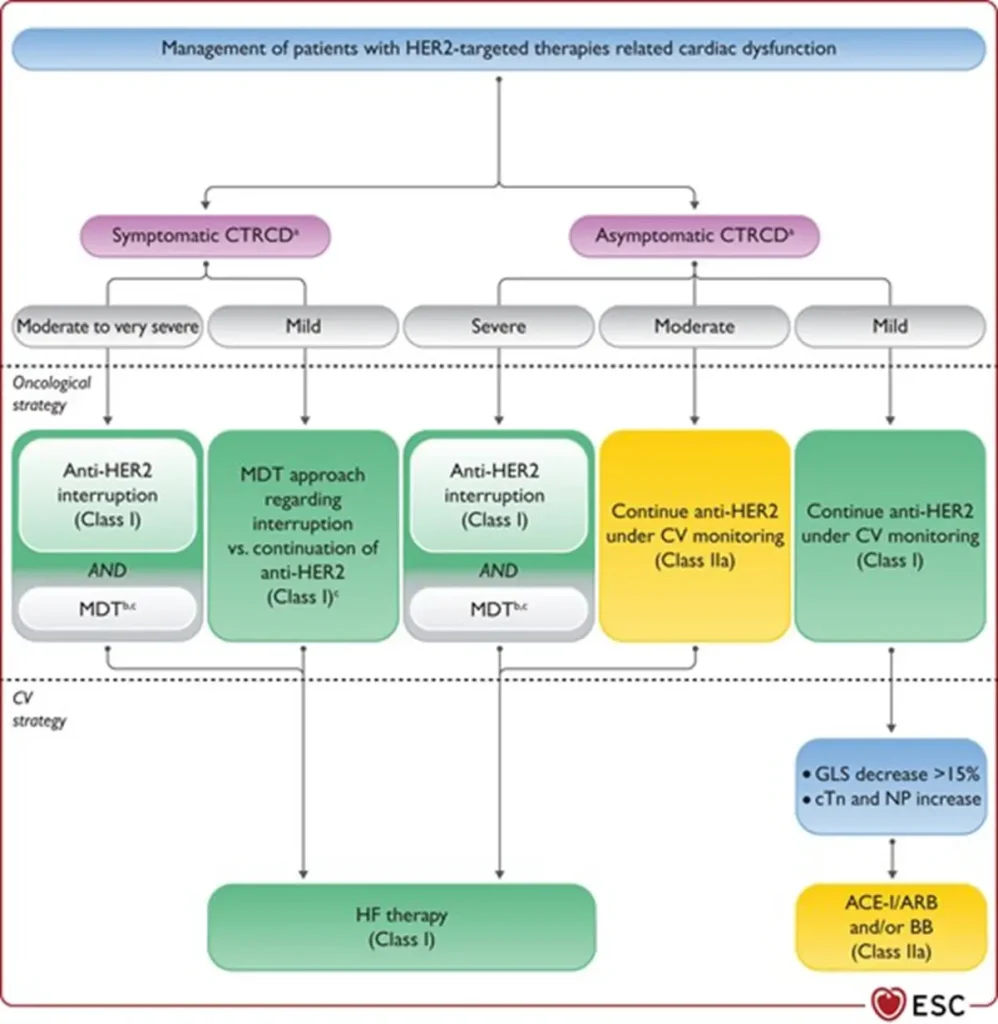
Interruption of HER2-targeted therapy

Temporary interruption recommended for:

  • Moderate or severe symptomatic CTRCD
  • Severe asymptomatic CTRCD (LVEF <40%)
Continuation of HER2 therapy

Asymptomatic moderate CTRCD (LVEF 40–49%):

  • Continue HER2-targeted therapy
  • Start cardioprotective therapy (ACE-I/ARB + beta-blocker)
  • Frequent cardiac monitoring required

Asymptomatic mild CTRCD (LVEF ≥50% with significant GLS decline and/or biomarker rise):

  • Continue HER2-targeted therapy
  • Consider cardioprotective therapy (ACE-I/ARB and/or beta-blocker)
Heart failure therapy

Initiate and uptitrate guideline-directed HF therapy in:

  •  Symptomatic moderate or severe CTRCD
  • Asymptomatic severe CTRCD
Rechallenge after CTRCD recovery

Possible in patients continuing or restarting HER2-targeted therapy after recovery (LVEF ≥40%, ideally ≥50%):

  • Perform echocardiography and biomarkers every 2 cycles during the first 4 cycles
  • Monitoring frequency may be reduced if cardiac function remains stable

Permissive cardiotoxicity

Continuation or initiation of cardiotoxic cancer therapy (e.g. anthracyclines, trastuzumab) may be feasible in selected patients with mild–moderate cardiotoxicity or pre-existing cardiac disease.

Key elements of perimissive cardiotoxicity:

  • MDT shared decision-making,
  • a predefined cardiac monitoring plan (every 1–2 cycles),

implementation of cardioprotective strategies

References

  • Lyon A et al (2022) 2022 ESCGuidelines on cardio-oncology developed in collaboration with the European  HematologyAssociation(EHA), the European Society for Therapeutic Radiology and  Oncology (ESTRO) and the International  Cardio-Oncology Society (IC-OS). European Heart Journal (2022) 43, 4229–4361  https://doi.org/10.1093/eurheartj/ehac2447
  • Porter et al. Permissive Cardiotoxicity The Clinical Crucible of Cardio-Oncology. J Am Coll Cardiol CardioOnc 2022;4:302–312
  • Zhang, L et al. Cardiac safety analysis of anti-HER2-targeted therapy in early breast cancer. Sci Rep 12, 14312 (2022)

Arterial Hypertension

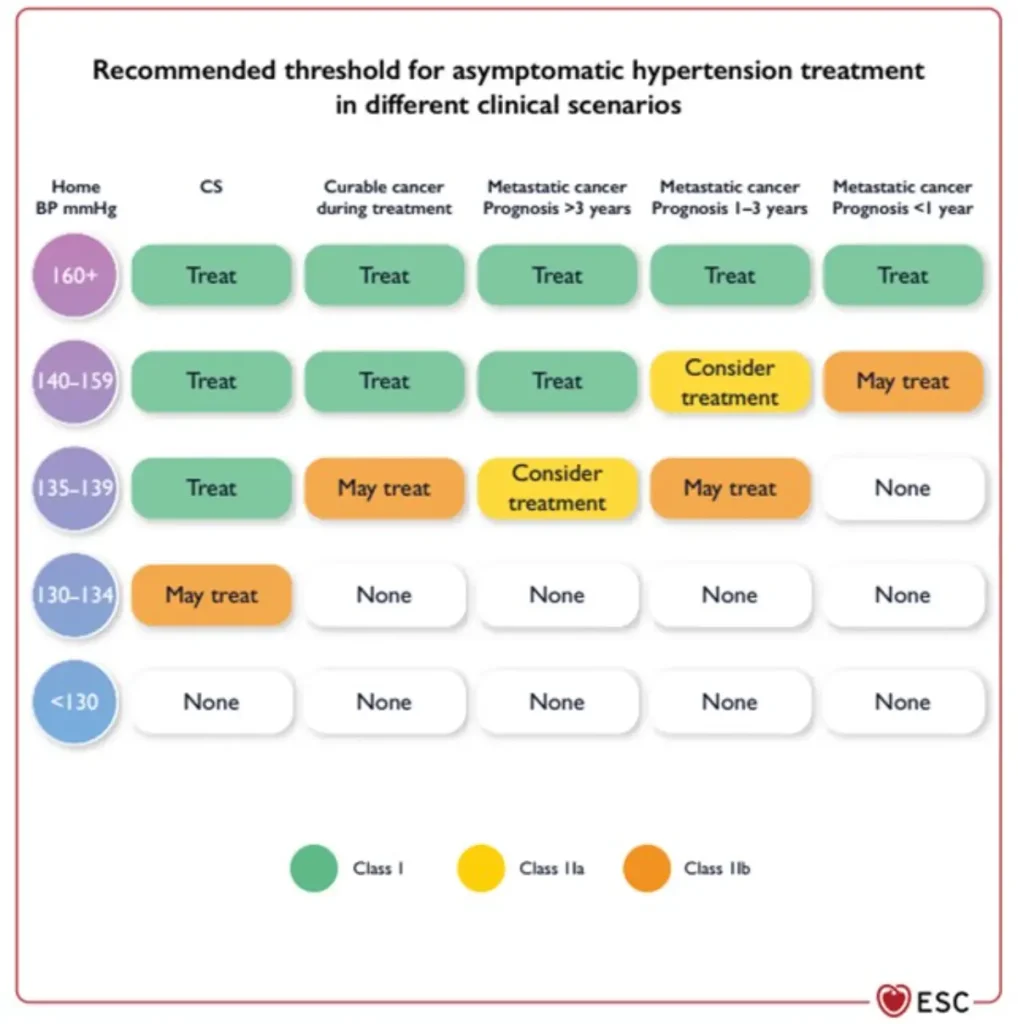
  • Hypertension is common in cancer patients (~40%) and contributes to their increased cardiovascular mortality. In cancer survivors, early-onset hypertension is an important clinical issue. Blood pressure should be measured both in the office and at home.
  • causes:
    • pre-existing arterial hypertension : optimize BP control prior to cancer treatment initiation
    • adjunctive medication
      • corticosteroids
      • NSAID
      • EPO
    • stress, pain, excessive alcohol consumption, renal impairment, untreated sleep apnoea, obesity, and reduced exercise
    • certain anticancer drugs

Anticancer Therapies Associated With Arterial Hypertension

Drug ClassAgents
VEGF pathway inhibitors (VEGFi)Bevacizumab, aflibercept, ramucirumab
Multitargeted TKIs with VEGF inhibitionSunitinib, sorafenib, pazopanib, axitinib, lenvatinib, cabozantinib
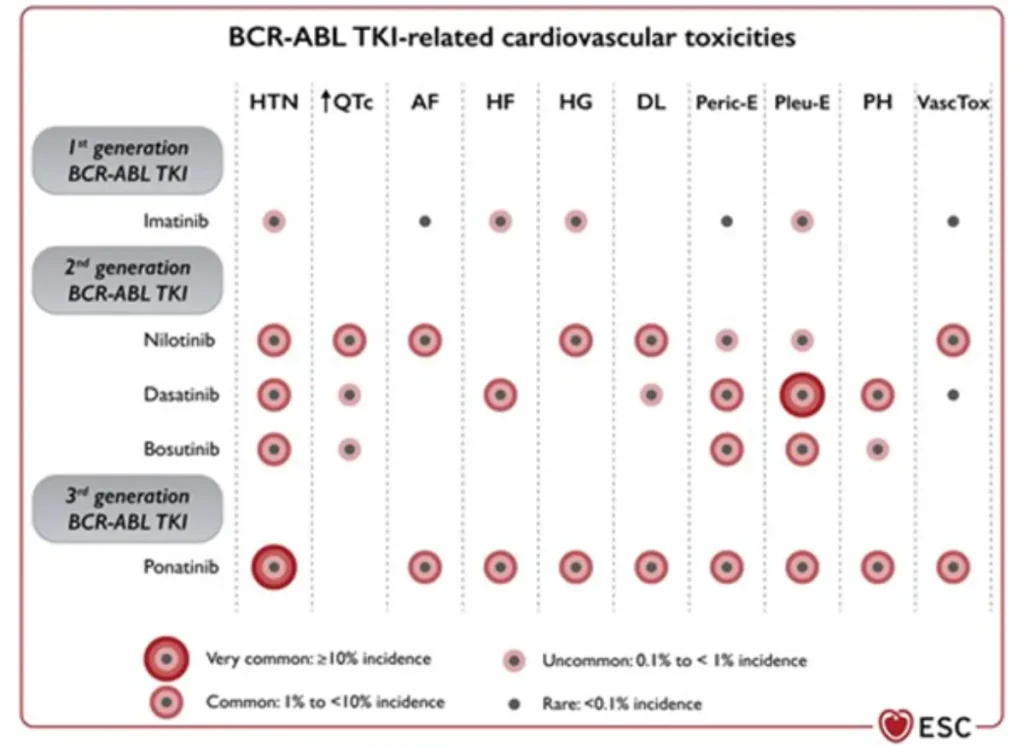
BCR-ABL tyrosine kinase inhibitorsImatinib, dasatinib, nilotinib, ponatinib, bosutinib
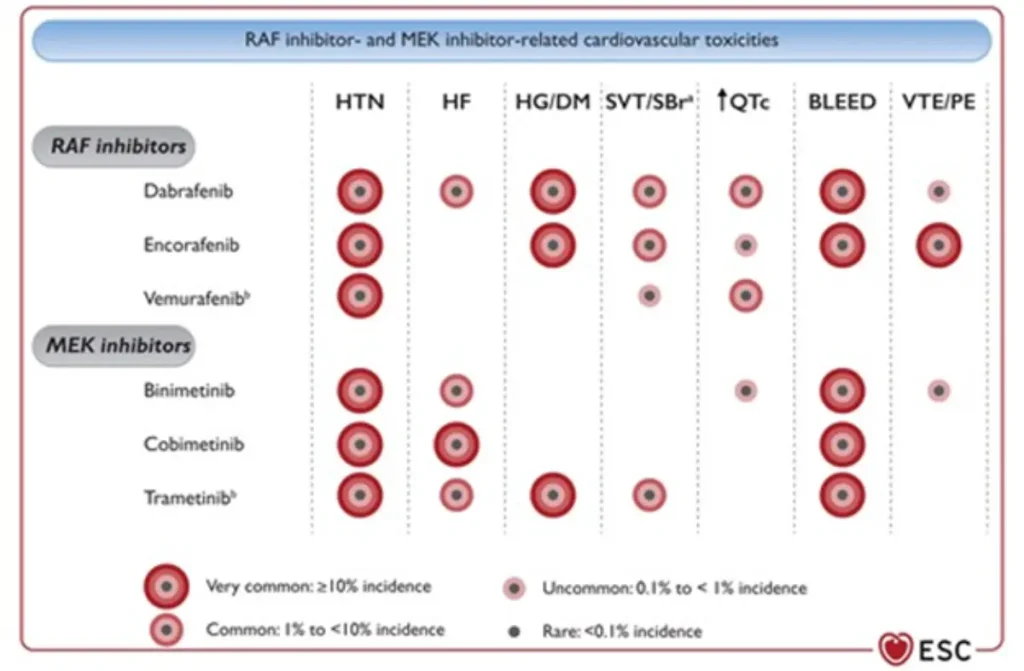
BRAF inhibitors / MEK inhibitorsVemurafenib, dabrafenib / trametinib, cobimetinib
ALK inhibitorsCrizotinib, alectinib, brigatinib, lorlatinib
Proteasome inhibitorsCarfilzomib, bortezomib
Bruton tyrosine kinase (BTK) inhibitorsIbrutinib
Fluoropyrimidines5-fluorouracil (5-FU), capecitabine
Platinum compoundsCisplatin, carboplatin, oxaliplatin
Alkylating agentsCyclophosphamide, ifosfamide
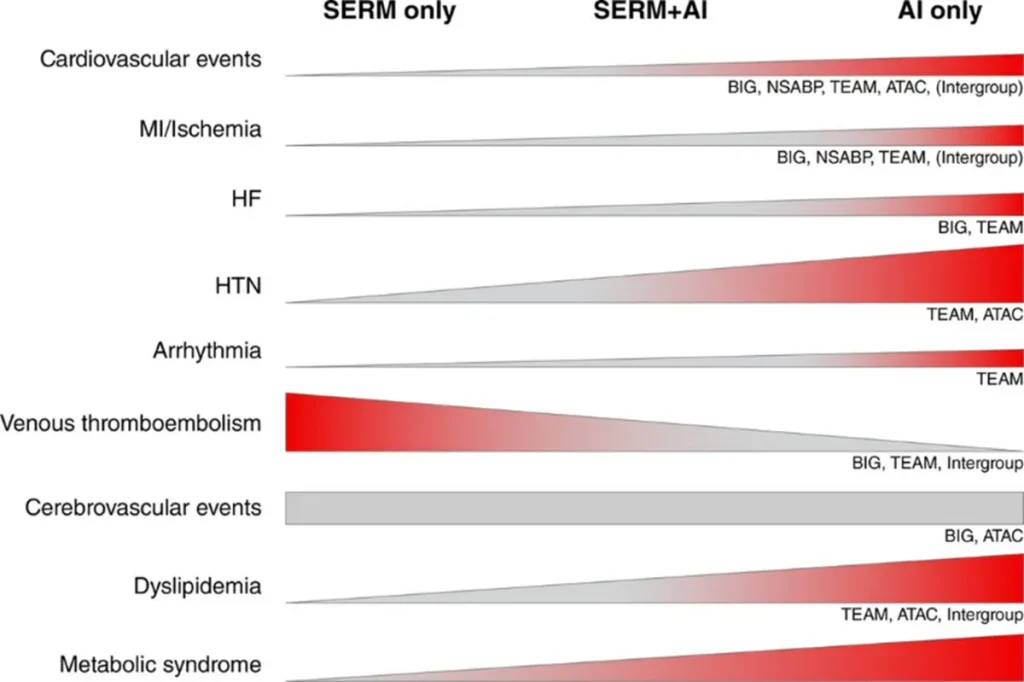
Aromatase inhibitorsAnastrozole, letrozole, exemestane
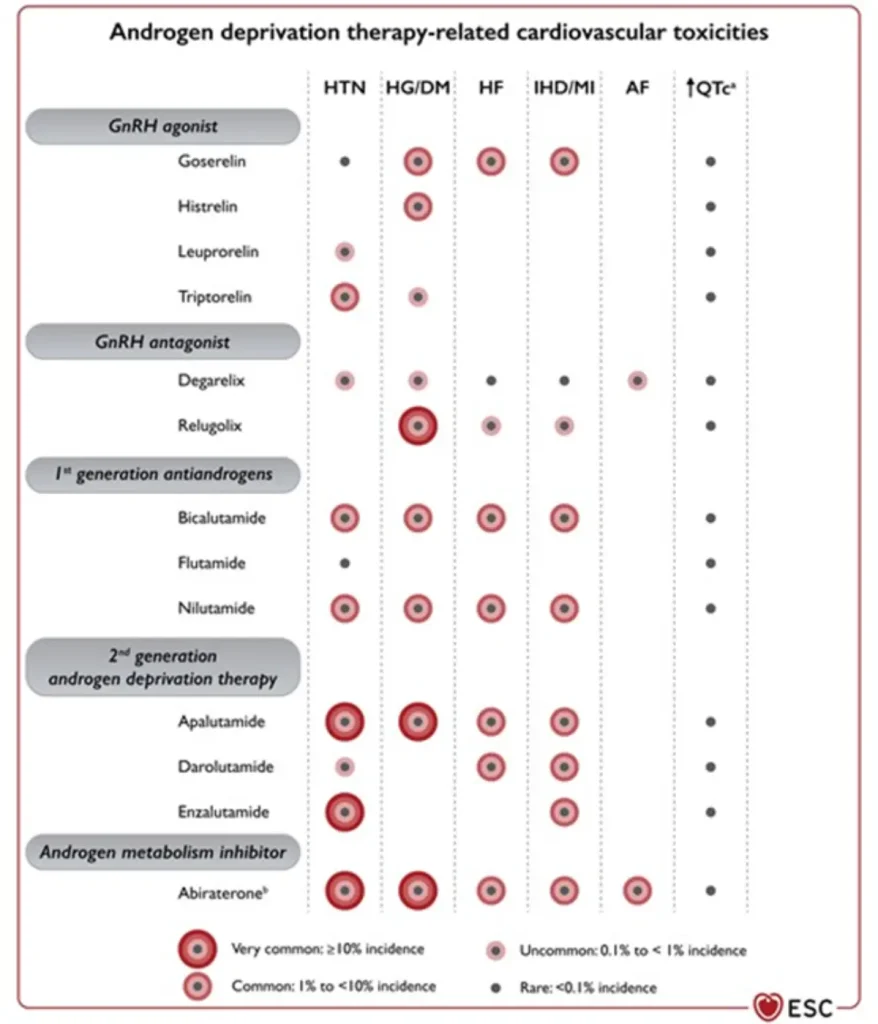
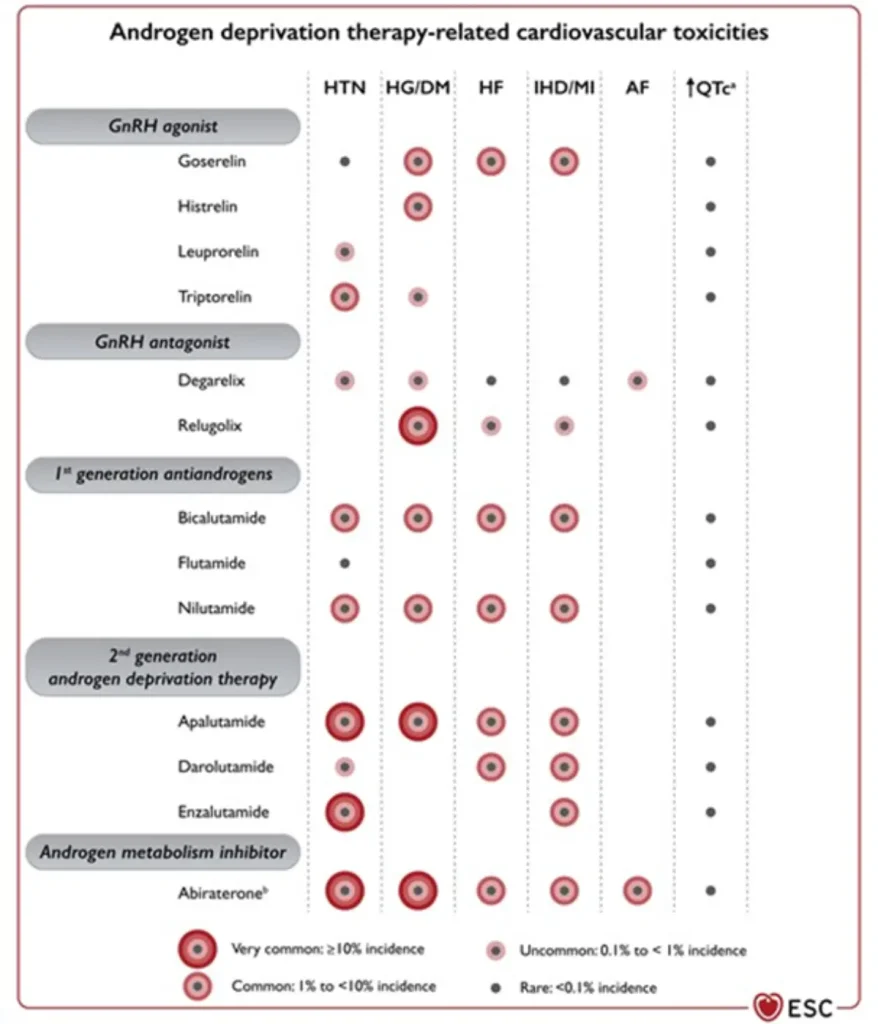
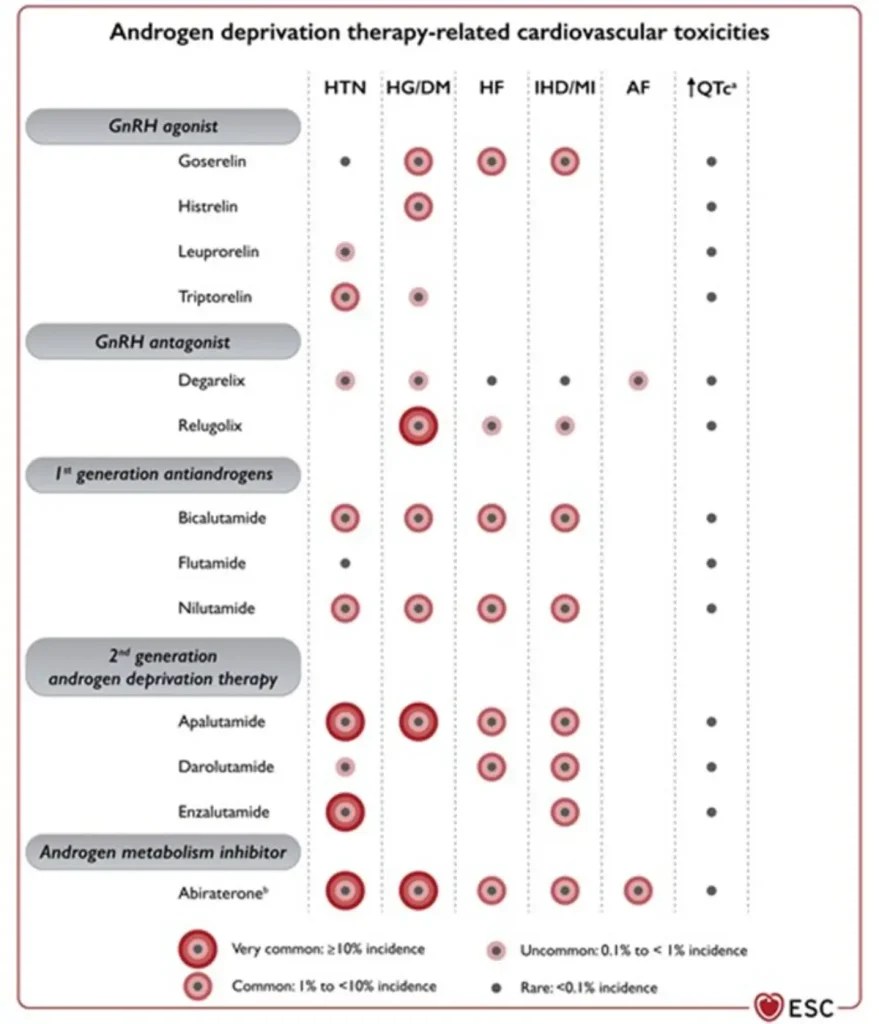
Androgen receptor pathway inhibitors (ARPI)Abiraterone, bicalutamide, enzalutamide

Treament

  • no specific randomized controlled trials in patients with cancer
  • tailored to comorbidities
  • first line: ACE-I or angiotensin receptor blocker + dihydropyridine calcium channel blocker
  • thiazide-like diuretic: possible, but consider risk of volume depletion
  • second line: spironolactone; nitrates, betablocker (nebivolol, carvedilol)
  • defer causative cancer therapy if > 160/100mmHg
  • target: < 140/90mmHg (< 130/80mmHg if well tolerated)
    • consider cancer prognosis
    • Note: Cancer therapy–related arterial hypertension is usually reversible after treatment discontinuation; rebound hypotension may occur.

Important interaction between certain cancer therapies and antihypertensive drugs

 
Cancer Therapy Avoid Reason
ALL verapamil, diltiazem CYP3A4 inhibition
mTOR inhibotors ACEi angioedema
platinum-compounds loop diuretics oto- and nephrotoxicity
cyclophosphamide thiazide myelosuppression
abiraterone spironolactone paradoxical pro-androgenic (eplerenone is safe)

References

  • Lyon et al. ESC Guidelines on cardio-oncology. Eur Heart J 2022.
  • Cohen et al. Cancer Therapy–Related Hypertension: A Scientific Statement From the American Heart Association. Hypertension 2023
  • Pandey et al. Management of hypertension in patients with cancer. CKJ 2023

QTc Prolongation

Ventricular Arrhythmias (VA)

Overview
Ventricular arrhythmias are uncommon in cancer patients. The incidence increases with advanced disease and pre-existing cardiovascular comorbidities.

Proposed Mechanisms

  • Direct effects of anticancer drugs on cardiac ion channel activity, typically causing QTc prolongation
  • Development of a persistent arrhythmogenic substrate due to systemic inflammation, cancer-related factors, or therapy-induced cardiac injury

Management of Cancer Therapy–Related VA

  • Asymptomatic, self-terminating VA usually do not require drug discontinuation, unless additional cardiovascular risk factors or persistent ECG abnormalities are present
  • Symptomatic VA warrant cancer drug dose reduction or discontinuation
  • The use of antiarrhythmic drugs is limited by potential drug–drug interactions and QTc prolongation
  • Beta-blockers and class IB agents are preferred in most cases
  • The decision to initiate antiarrhythmic or device therapy should take into account life expectancy, quality of life, and complication risk

QTc Prolongation

Most cancer therapy–related VA are associated with QTc prolongation leading to torsade de pointes (TdP).
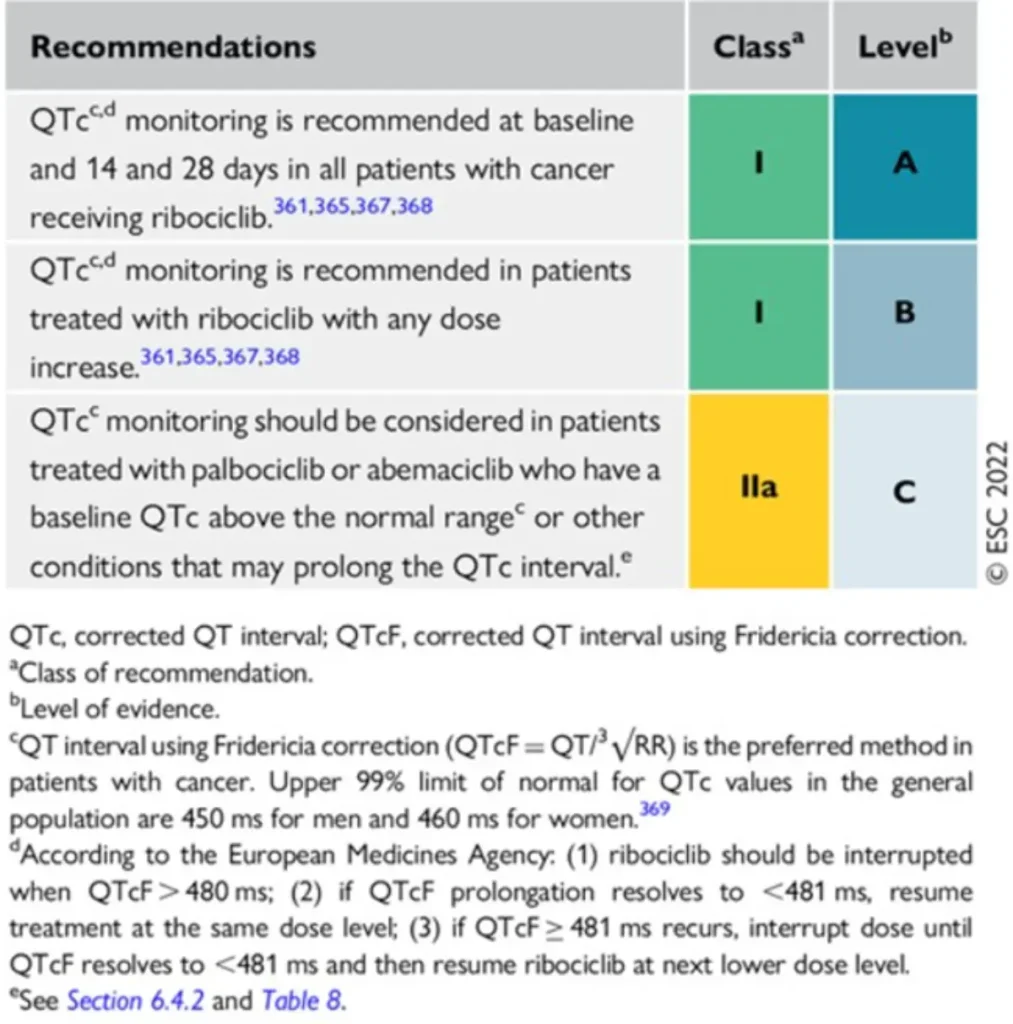
QTc prolonging cancer drugs and related risk factors are summarized in Tables 1 and 2

Normal QTc values

  • Men: ≤450 ms
  • Women: ≤460 ms
  • QTc ≥500 ms is associated with a 2–3× higher risk of TdP

Clinical guidance

  • A QTc increase >60 ms from baseline is acceptable if QTc remains <500 ms
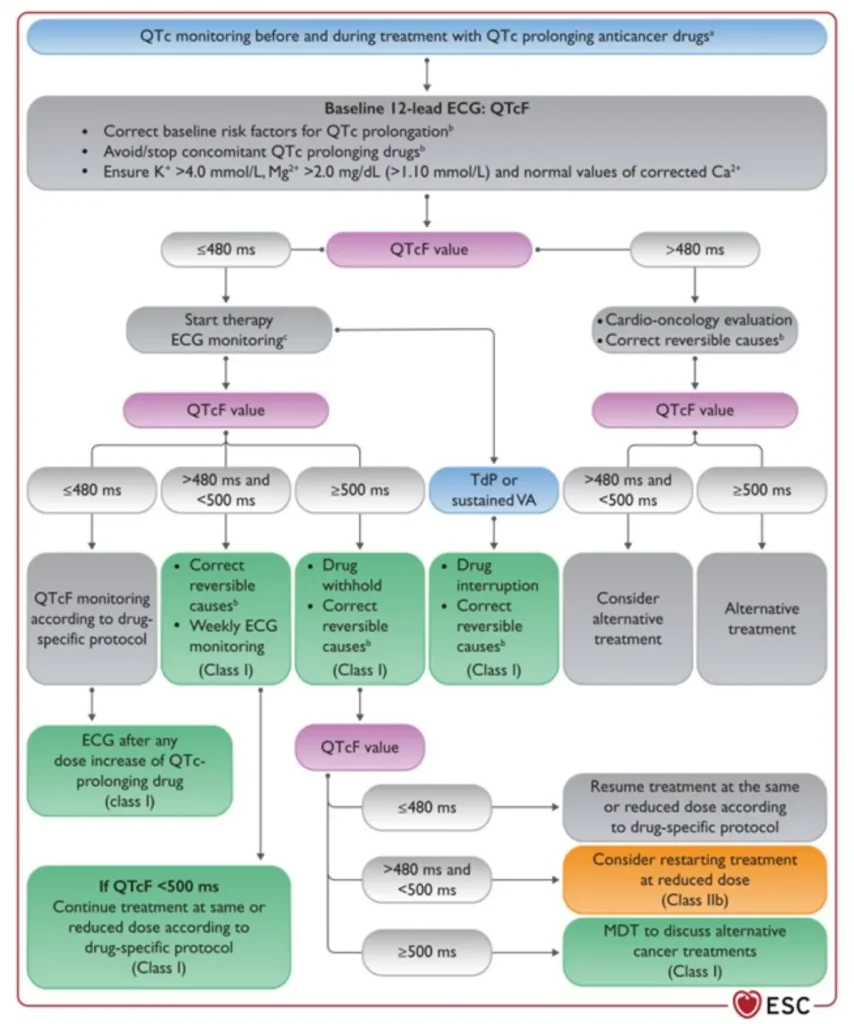
  • Use Fridericia correction (QTcF = QT/³√RR) for cancer patients

Rechallenge with QTc prolonging therapies

  • A multidisciplinary approach is recommended: consider an alternative treatment if available; start with reduced dose; weekly ECG monitoring during the first 4-6 weeks, and monthly there after

Table 1. Cancer Drugs by QTc Prolongation Risk

Classification Drugs
High risk (≥10 ms, TdP risk) Aclarubicin, Arsenic trioxide, Glasdegib, Nilotinib, Oxaliplatin, Pazopanib, Ribociclib, Sunitinib, Toremifene, Vandetanib
Moderate risk (≥10 ms, low or uncertain TdP risk) Abarelix, Belinostat, Brigatinib, Cabozantinib, Ceritinib, Crizotinib, Dovitinib, Entrectinib, Eribulin, Gilteritinib, Ivosidenib, Lapatinib, Lenvatinib, Osimertinib, Panobinostat, Rucaparib, Selpercatinib, Sorafenib, Tipiracil/Trifluridine, Vemurafenib
Low risk (<10 ms) ADT, Afatinib, Axitinib, Binimetinib, Bortezomib, Bosutinib, Carfilzomib, Dabrafenib, Dasatinib, Encorafenib, Midostaurin, Pertuzumab, Ponatinib, Romidepsin, Quizartinib, Tamoxifen, Vorinostat

Table 2. Risk Factors for Drug-Induced QTc Prolongation and TdP

CorrectableNon-correctable

QT-prolonging drugs
(antiarrhythmics, antibiotics, antidepressants, antifungals, antiemetics, antihistamines, antipsychotics, loop diuretics, methadone)

Acute myocardial ischaemia
BradyarrhythmiaAge >65 years
Electrolyte abnormalities (↓K⁺ ≤3.5, ↓Mg²⁺ ≤1.6, ↓Ca²⁺ ≤8.5)Baseline QTc prolongation
Inadequate dose adjustment for renal/hepatic clearanceFamily history of sudden death (LQTS or genetic)
 Female sex
 Impaired renal or hepatic function
 History of syncope or drug-induced TdP
 Pre-existing CVD (CAD, HF, LVH)

References

  • Lyon A et al (2022) 2022 ESCGuidelines on cardio-oncology developed in collaboration with the European HematologyAssociation(EHA), the European Society for Therapeutic Radiology and Oncology (ESTRO) and the International Cardio-Oncology Society (IC-OS). European Heart Journal (2022) 43, 4229–4361 https://doi.org/10.1093/eurheartj/ehac2447

Bradyarrhythmias

Overview

Bradyarrhythmias may occur as a result of cancer therapy, most often with immune checkpoint inhibitors (ICI), immunomodulatory drugs (IMiD), and ALK inhibitors.

Mechanisms

  • AV conduction disease can be caused by ICI, with or without associated myocarditis
  • Sinus node dysfunction may occur with IMiD (thalidomide, pomalidomide) and ALK inhibitors (crizotinib, alectinib, brigatinib, ceritinib)

Management

ICI-associated AV conduction disease

  • New first-degree AV block (PR prolongation): serial ECG monitoring recommended
  • PR interval >300 ms: hospitalize for continuous ECG monitoring and initiate i.v. methylprednisolone
  • Evaluate for associated myocarditis
  • New 2nd & 3rd degree AV-block : treat as per current ESC guidelines on pacing + consider associated myocarditis

Drug-induced sinus bradycardia (IMiD, ALK inhibitors)

  • Perform holter monitoring in symptomatic patients to exclude significant sinus pauses
  • Asymptomatic patients: continue therapy with close observation
  • Symptomatic patients: temporary cancer drug withdrawal may confirm causality
  • Rechallenge can be considered after multidisciplinary team (MDT) discussion, balancing risks and benefits

References

  • Lyon A et al (2022) 2022 ESCGuidelines on cardio-oncology developed in collaboration with the European HematologyAssociation(EHA), the European Society for Therapeutic Radiology and  Oncology (ESTRO) and the International  Cardio-Oncology Society (IC-OS). European Heart Journal (2022) 43, 4229–4361  https://doi.org/10.1093/eurheartj/ehac2447

CAD: Acute Coronary Syndrome

  • Cancer increases the risk of PCI-related complications
    • Higher rates of cardiac death and bleeding after PCI.
    • Risk is particularly elevated in the first year after a cancer diagnosis.
  • Prevalence of cancer among ACS patients
    • Current or recent cancer present in:
      • 3% of ACS cases (MINAP registry)
      • 4% of ACS cases (SWEDE registry)
    • Patients with ACS and cancer are more often treated conservatively, which is associated with worse outcomes compared to non-cancer ACS patients.
  • Prognostic differences
    • Similar prognosis to non-cancer patients:
      • Non-metastatic cancers such as breast, prostate, colon cancer.
    • Worse prognosis:
      • ACS with metastatic cancer
      • Lung cancer
    • Bleeding risk:
      • Highest in colon cancer patients (in-hospital bleeding).
  • Mortality patterns after ACS in cancer patients
    • Cardiac death = most common cause of death in the first 30 days after ACS.
    • Beyond 30 days up to 1 year → most deaths are non-cardiac and related to cancer or other causes.
  • Treatment implications
    • ACS patients with cancer should receive the same urgent and guideline-based care as non-cancer patients.
    • Exceptions only when:
      • life expectancy is limited,
      • invasive strategy no longer desired/appropriate,
      • patient or family preferences indicate otherwise.
  • DAPT considerations
    • Keep dual antiplatelet therapy (aspirin and clopidogrel) duration as short as possible (≈ 1 month) due to high bleeding risk.
    • Bleeding risk models are available (e.g., www.precisedaptscore.com).
    • When cancer is included as a binary variable, 94% of cancer patients are classified as high bleeding risk.

References

  • Y. Ueki et al., “Ischemia and Bleeding in Cancer Patients Undergoing Percutaneous Coronary Intervention,” JACC CardioOncol, vol. 1, no. 2, pp. 145–155, Dec. 2019, doi: 10.1016/j.jaccao.2019.11.001.
  • A. Bharadwaj et al., “Acute myocardial infarction treatments and outcomes in 6.5 million patients with a current or historical diagnosis of cancer in the USA,” Eur Heart J, vol. 41, no. 23, pp. 2183–2193, Jun. 2020, doi: 10.1093/EURHEARTJ/EHZ851.
  • M. Dafaalla et al., “Outcomes of ST elevation myocardial infarction in patients with cancer: a nationwide study,” Eur Heart J Qual Care Clin Outcomes, vol. 9, no. 8, pp. 806–817, Dec. 2023, doi: 10.1093/EHJQCCO/QCAD012.
  •  A. R. Lyon et al., “2022 ESC Guidelines on cardio-oncology developed in collaboration with the European Hematology Association (EHA), the European Society for Therapeutic Radiology and Oncology (ESTRO) and the International Cardio-Oncology Society (IC-OS)Developed by the task force on cardio-oncology of the European Society of Cardiology (ESC),” Eur Heart J, Aug. 2022, doi: 10.1093/EURHEARTJ/EHAC244.
  • M. Dafaalla et al., “Bleeding risk prediction after acute myocardial infarction-integrating cancer data: the updated PRECISE-DAPT cancer score,” Eur Heart J, vol. 45, no. 34, pp. 3138–3148, Sep. 2024, doi: 10.1093/EURHEARTJ/EHAE463.

ICI-related Myocarditis

Commonly / frequently implicated therapies
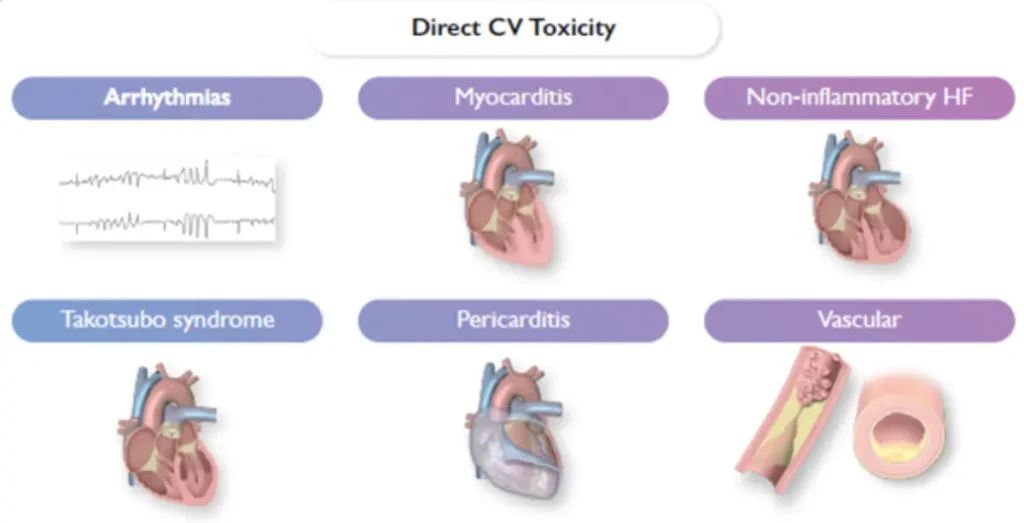
  • Anti-PD1 : nivolumab – pembrolizumab – cemiplimab
  • Anti-PDL1 : atezolizumab – avelumab – durvalumab
  • Anti-CTLA4 : ipilimumab
  • Anti-LAG3 : relatlimab
    • Oncological (& hematological) treatment indications are rapidly expanding, currently commonly used in the following cancers (but not limited to) :
      – malignant melanoma
      – non small-cell lung cancer (NSCLC)
      – renal cell cancer
      – triple-negative breast cancer


Most commonly encountered toxicities :         

  • Dyslipidemia* : 19.3/1000 patients
  • Ischaemic stroke* : 8.8/1000 patients
  • Heart failure* / NILVD (non-inflammatory LV dysfunction) : 8.7/1000 patients
  • Pericardial disease / pericarditis* : 8.3/1000 patients
  • Myocardial infarction / ACS* : 7.4/1000 patients
  • Myocarditis (ICI-M)# : 3.2/1000 patients      

* : diagnosis and treatment according to current ESC guidelines + see specific topic.
# : most urgent diagnosis, specific therapeutic implications – see below.

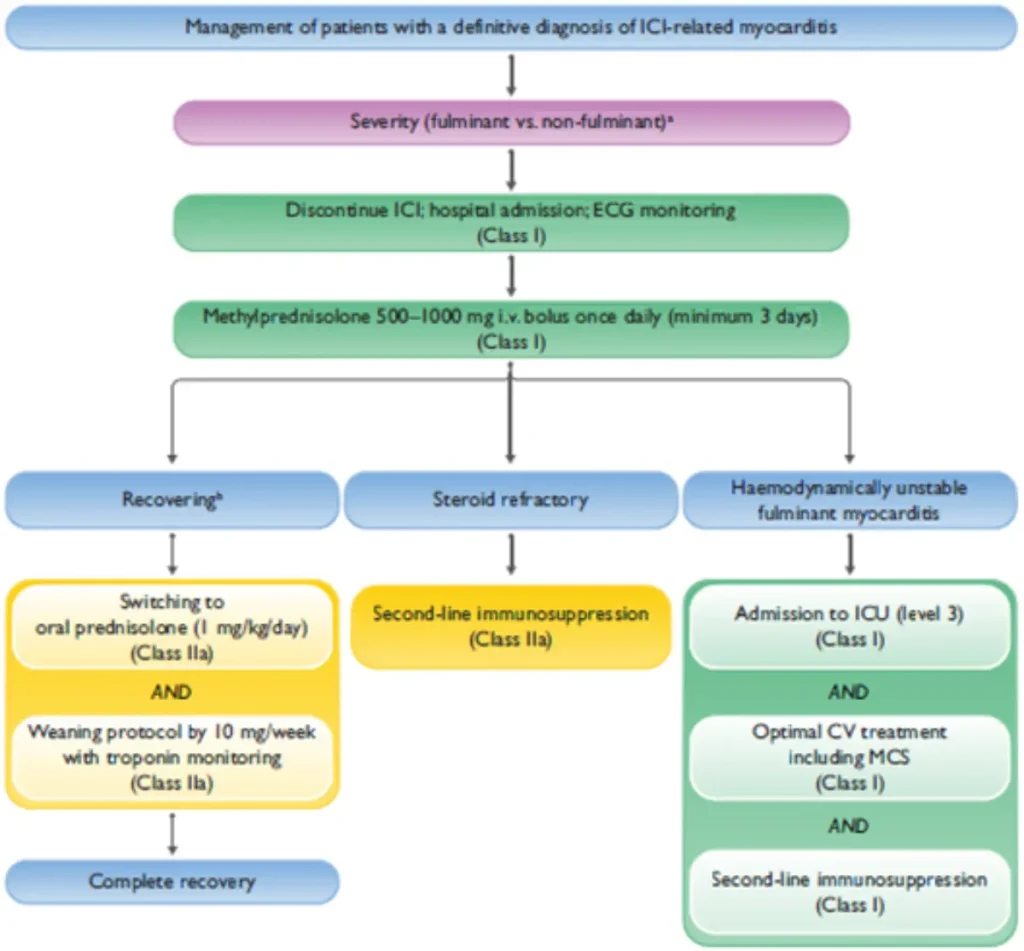
ICI induced myocarditis:
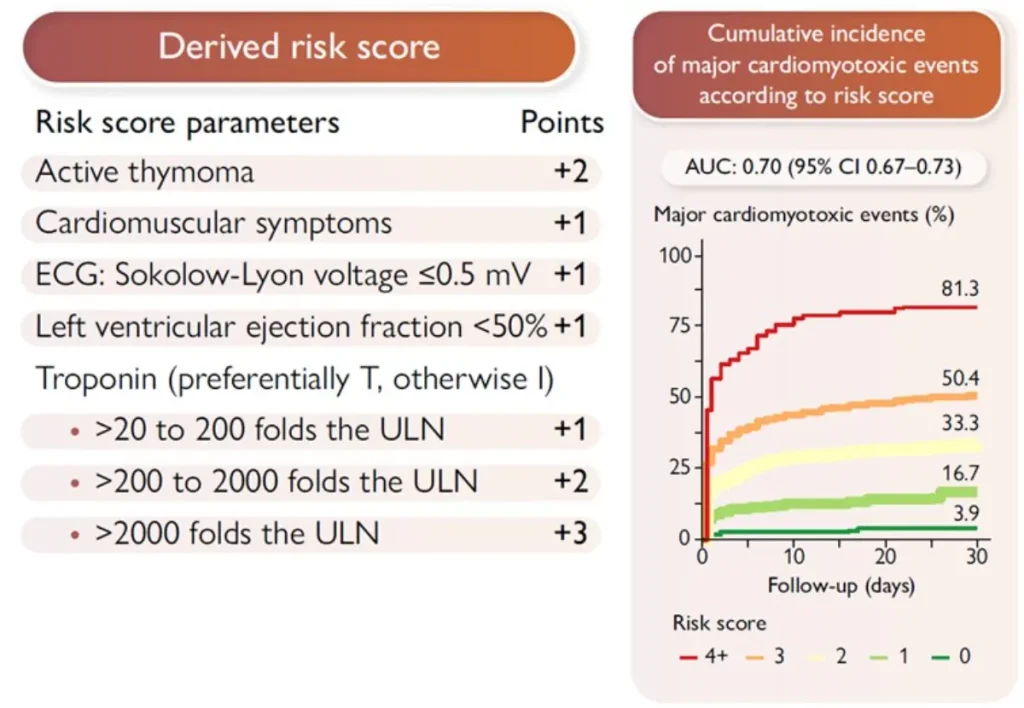
  • A rare complication of ICI therapy with a high fatality rate
  • It develops most frequently develops during the first 12 weeks of treatment, although late cases (after week 20) may occur.
  • Risk is higher in patients receiving dual ICI therapy
  • Proposed risk score for the development of cardiomyotoxic events (including ICI related myocarditis) during ICI treatment

Diagnostic criteria for ICI-M : pathohistological diagnosis or clinical diagnosis :

Clinical diagnosis

Required Cardiac troponin (cTn) elevation (new or significant change from baseline) AND ≥1 major criterion OR ≥2 minor criteria, after exclusion of acute coronary syndrome (ACS) and acute infectious myocarditis based on clinical assessment.
Major criterion Cardiac magnetic resonance (CMR) diagnostic for acute myocarditis according to modified Lake Louise criteria
Minor criteria
  • Clinical syndrome suggestive of myocarditis (≥1): fatigue, myalgias, chest pain, diplopia, ptosis, dyspnoea, orthopnoea, peripheral oedema, palpitations, presyncope/syncope, muscle weakness, cardiogenic shock
  • Ventricular arrhythmias (including cardiac arrest) and/or new conduction system disease
  • New decline in left ventricular systolic function, with or without regional wall motion abnormalities (non-Takotsubo pattern)
  • Concomitant immune-related adverse events, particularly myositis, myopathy, or myasthenia gravis
  • CMR findings suggestive but not diagnostic for acute myocarditis

Pathohistological diagnosis (endomyocardial biopsy) : Multifocal inflammatory cell infiltrates with overt cardiomyocyte loss by light microscopy

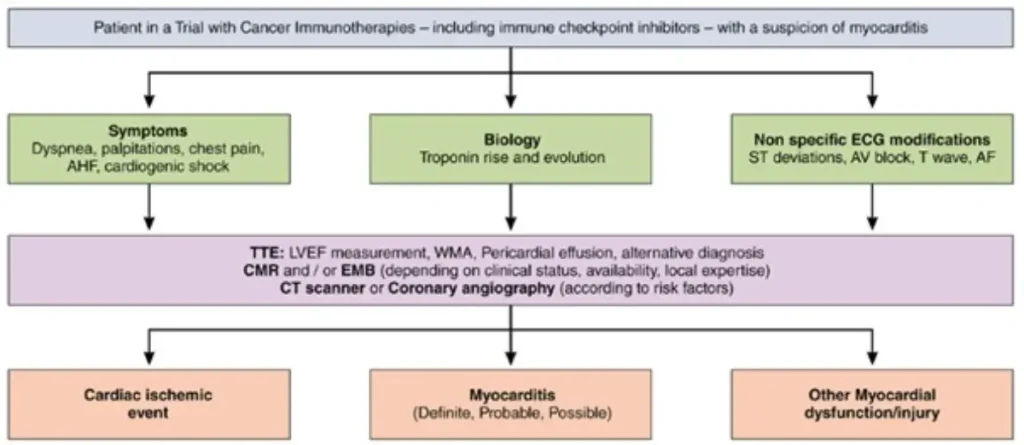
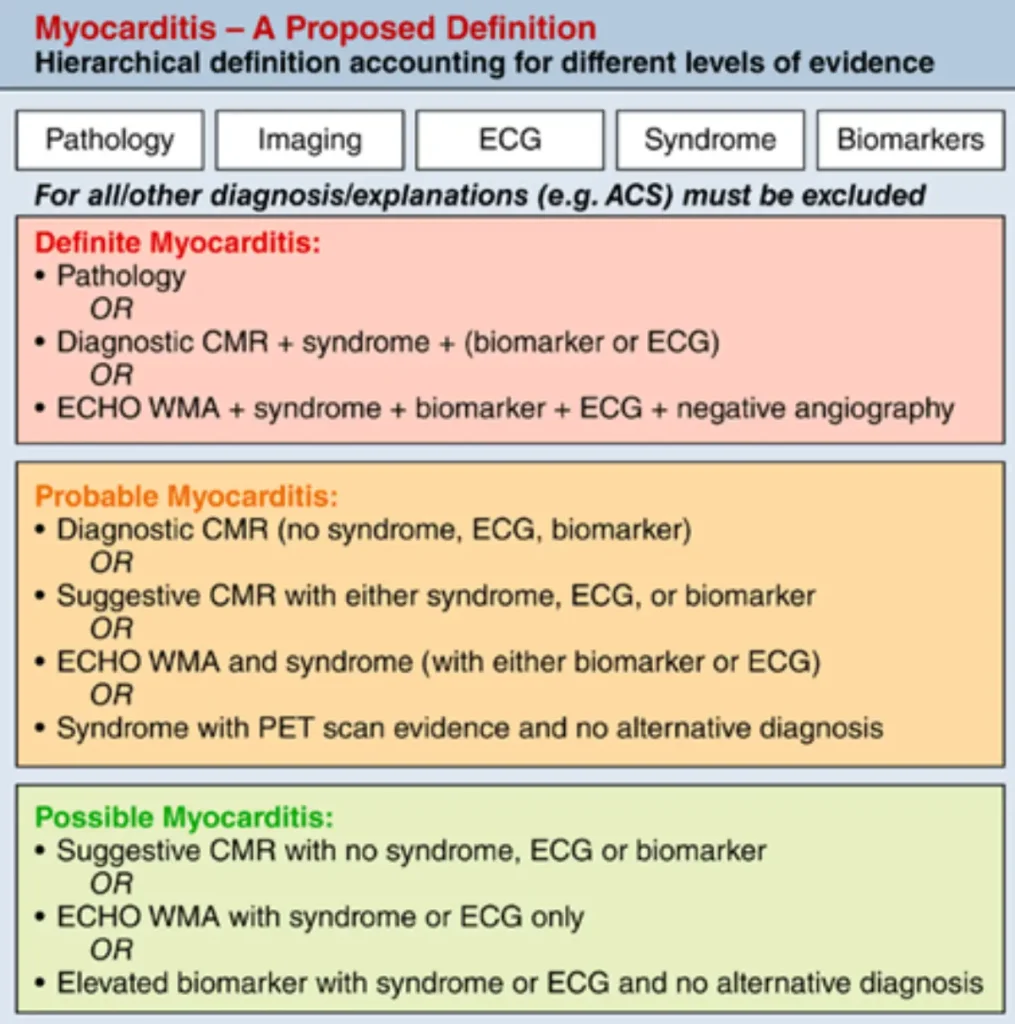
In order to exclude alternative or co-existing cardiac disease a hierarchical diagnostic approach in ICI myocarditis has been proposed:
DIAGNOSTIC CAVEATS :


 Caveats
SymptomsOften non-specific;dyspnoea is the most common presenting symptom; chest pain may be absent
ECG

Always exclude ACS;

ventricular arrhythmias or high ectopic burden and/or new conduction abnormalities (including AV block or PR prolongation) may indicate fulminant disease;

continuous telemetry is recommended.

Transthoracic echocardiography (TTE

LVEF may be normal in ~50% of cases;

GLS abnormalities are prognostic for MACE;

pericardial effusion may be present but is not required for diagnosis

Cardiac biomarkers

Troponin I or T may be used;

Troponin T may be falsely elevated with concomitant myositis; magnitude of troponin rise has prognostic value;

NT-proBNP has limited diagnostic utility

Cardiac magnetic resonance (CMR)

May be falsely negative if performed early (<72 h after symptom onset);

Repeat CMR if negative but clinical suspicion remains high

Endomyocardial biopsy (EMB)

Low threshold recommended in haemodynamic instability (cardiogenic shock / fulminant myocarditis) or when coronary angiography is performed

FDG-PET/CT

Conflicting evidence regarding diagnostic accuracy

Repeat CMR if negative but clinical suspicion remains high

Severity assessment in ICI-M :

 
Severity category Definition / Clinical features
Severe Haemodynamic instability; heart failure requiring non-invasive or invasive ventilation; complete or high-grade atrioventricular block; and/or significant ventricular arrhythmias
Non-severe (clinically significant) Symptomatic myocarditis with haemodynamic and electrical stability; may have reduced LVEF; no features of severe disease
Smouldering (subclinical) Incidentally diagnosed myocarditis without clinical signs or symptoms
Steroid-refractory Non-resolving or worsening myocarditis (clinical deterioration or persistent troponin elevation after exclusion of other causes) despite high-dose methylprednisolone

Therapeutic approach


 Key points
Steroid initiationDo not delay corticosteroid therapy in case of diagnostic uncertainty; delayed treatment is associated with significantly worse prognosis
Cardiac monitoring
  • Close in-hospital troponin surveillance (≥ once daily)
  • Continuous ECG monitoring is mandatory due to risk of ventricular arrhythmias and high-grade atrioventricular block
Immunosuppression escalation and second-line therapy options
  • Low threshold for treatment intensification if insufficient response after ~72 h of high-dose steroids;
  • Mandatory discussion with treating oncologist and/or BITOX;
  • Potential second-line options include mycophenolate mofetil, IVIG, plasmapheresis, tocilizumab, abatacept ± ruxolitinib or belatacept (evidence limited; no formal recommendations)
Fulminant myocarditis / cardiogenic shock
  • Immunosuppression plus guideline-directed medical therapy (GDMT) ± decongestion remains the cornerstone of management
  • In selected patients with favourable oncological prognosis consider mechanical circulatory support (MCS)as a bridge to recovery

Oncological considerations

  • Cancer prognosis ?

  • Treatment intention and expectations ?

  • ICI discontinuation : temporary vs. definite?

  • Steroid tapering planning ?

  • Alternative cancer treatment options in case of recovery ?

  • Feasibility and risks of rechallenge?

Rechallenge : possibilities and caveats

ALWAYS discuss case with treating oncologist and/or BITOX :

  • Severe & fulminant ICI-M : AVOID rechallenge
  • Single-agent rechallenge / treatment continuation : possible in mild cases if close troponin surveillance.

In case of doubt :
Consider multidisciplinary discussion via BSMO BITOX Immunomanager submission

References

  • Lyon AR et al. 2022 ESC Guidelines on cardio-oncology developed in collaboration with the European Hematology Association (EHA), the European Society for Therapeutic Radiology and Oncology (ESTRO) and the International Cardio-Oncology Society (IC-OS). Eur Heart J (2022) : 00, 1-133.
  • Dolladille C et al. Cardiovascular immunotoxicities associated with immune checkpoint inhibitors : a safety meta-analysis. Eur Heart J (2021) : 42, 4964-77.
  • Bonaca MP et al. Myocarditis in the Setting of Cancer Therapeutics: Proposed Case Definitions for Emerging Clinical Syndromes in Cardio-Oncology. Circulation (2019): 140, 80-91.
  • Herrmann J et al. Defining cardiovascular toxicities of cancer therapies : an International Cardio-Oncology Society (IC-OS) consensus statement. Eur Heart J (2022) : 43, 280-99.
  • Power JR et al. Immune checkpoint inhibitor-associated myocarditis: a novel risk score. Eur Heart J (2025) : 00, 1-13.
  • BSMO BITOX Immunomanager : https://bsmo.be/multidiscplin-immunotox-meeting/

Pericardial Diseases

  • The pericardium is the protective membrane around the heart.
  • Pericarditis = inflammation of the pericardium (with or without effusion).
  • Pericardial effusion = accumulation of fluid in the pericardial space (with or without pericarditis).
  • Cancer patients are at increased risk because of:
    • direct malignant involvement
    • treatment effects
    • immunosuppression
    • stress or systemic inflammation

Causes


CategoryKey causes
Cancer-relatedDirect invasion; metastases (lung, breast, melanoma, lymphoma/leukaemia, neighbouring organs); mediastinal lymphatic obstruction
Treatment-relatedChemotherapy (anthracyclines, cyclophosphamide, bleomycin, cytarabine); thoracic radiotherapy; targeted therapies (ATRA, arsenic trioxide, TKIs—especially dasatinib); immune therapies (IL-2, IFN-α, ICI); combination therapy ↑ risk
Primary pericardial malignancyRare; pericardial mesothelioma
InfectiousMainly in immunocompromised patients
Other causesTrauma, cardiac disease, renal failure, thyroid dysfunction (esp. hypothyroidism), idiopathic

Symptoms

Symptoms are similar to the general population and range from typical pericarditic chest pain (worse when supine or with deep inspiration, relieved by sitting forward) to dyspnoea and fatigue with pericardial effusion, which may be asymptomatic. Cardiac tamponade is a medical emergency, presenting with severe dyspnoea, hypotension, tachycardia, syncope, and signs of poor peripheral perfusion

Diagnosis


DomainKey points
ECGECG may show diffuse ST elevation and PR depression (pericarditis); low QRS voltages and electrical alternans (large effusion/tamponade); reactive atrial fibrillation may occur
Laboratory testsCRP; high-sensitivity troponin I or T to exclude myocardial involvement; additional tests guided by differential diagnosis
Initial imagingChest X-ray may show enlarged cardiac silhouette
Cardiac imagingTransthoracic echocardiography (gold standard) to assess effusion size and haemodynamic impact
Advanced imaging (CT / CMR)Detailed assessment of pericardial inflammation; identification of local tumour invasion or masses
Diagnostic confirmation in effusionPericardial fluid cytology and/or pericardial biopsy required to confirm or exclude malignant involvement
Tumour markersCEA, CYFRA 21-1, NSE, CA 19-9 may support diagnosis but lack diagnostic accuracy
Important note~Two-thirds of pericardial effusions in cancer patients are non-malignant → cytology remains essential

Treatment

A multidisciplinary approach (cardio-oncology, oncology, radiotherapy, surgery) is recommended.

Acute pericarditis

  • Chemotherapy-related acute pericarditis often resolves with standard therapy or treatment interruption.
  • NSAID + colchicine is recommended in most of cases (reduces recurrence).
  • Steroids only for resistant cases except in ICI-related pericarditis.
  • Treatment of underlying cause

ICI-related pericarditis

  • Median onset ~30 days; associated with worse outcomes, especially with concomitant myocarditis.
  • In moderate/large effusion or severe pericarditis:
    • Discontinue ICI
    • High-dose steroids (methylprednisolone 1 mg/kg/day)
    • ± colchicine
    • Pericardiocentesis if tamponade
  • Refractory cases: consider additional immunosuppressive therapy.
  • Uncomplicated cases: ICI can sometimes continue with colchicine/NSAIDs.

Rechallenge after resolution → MDT decision with close monitoring

Pericardial Effusion

General

  • Treat underlying cause
  • Medical therapy as indicated (see acute pericarditis)
  • Pericardiocentesis (drainage ± intrapericardial therapy). In case cardiac tamponade – immediate drainage (medical emergency)
  • Surgical strategies (pericardial window, pericardiectomy) in:
    • recurrent effusions, constrictive physiology, need for biopsy, inaccessible or unsafe percutaneous drainage, bacterial pericarditis (lavage)
  • Systemic antineoplastic therapy = foundation for malignant effusion treatment.
  • In some cases: local intrapericardial therapy:
    • Eg. cisplatin (lung cancer), thiotepa (breast cancer)
    • sclerosing agents to reduce recurrence
  • Extended drainage may be needed for repeated therapy and symptom relief.
  • Recurrence is common (>50%).
  • Additional options: pericardiotomy, pericardial window, balloon pericardiotomy.
  • Interventions are palliative in advanced disease and focus on symptom relief.
  • Radiotherapy can be effective in radiosensitive tumours (lymphoma, leukemia).

Short term prognosis

  • Strongly depends on the underlying cause.
  • Better prognosis if treatable cause (chemotherapy-induced pericarditis, infections).
  • Worse prognosis in malignant pericardial disease and presentation with heart failure

Long-term risks

  • Long-term risk after chemo-induced pericarditis generally low (anthracyclines, cyclophosphamide, cytarabine, bleomycin).
  • Dasatinib may cause chronic effusion/pericarditis.
  • Chronic complications from ICI appear uncommon.
  • RT-induced pericardial disease can appear months–decades later; constrictive pericarditis is the most serious.
    • 5-yearly echocardiographic surveillance may be considered after RT-induced acute pericarditis.
  • Despite modern techniques, pericardial effusion remains frequent in:
    • lung cancer (grade ≥2 ~40%)
    • oesophageal cancer (~25%)

References

  • Lyon A et al (2022) 2022 ESCGuidelines on cardio-oncology developed in collaboration with the European  HematologyAssociation(EHA), the European Society for Therapeutic Radiology and  Oncology (ESTRO) and the International  Cardio-Oncology Society (IC-OS). European Heart Journal (2022) 43, 4229–4361  https://doi.org/10.1093/eurheartj/ehac2447
  • Jeanette Schulz-Mengeret al. 2025 ESC Guidelines for the management of myocarditis and pericarditis: Developed by the task force for the management of myocarditis and pericarditis of the European Society of Cardiology (ESC) Endorsed by the Association for European Paediatric and Congenital Cardiology (AEPC) and the European Association for Cardio-Thoracic Surgery (EACTS), European Heart Journal, Volume 46, Issue 40, 21 October 2025, Pages 3952–4041,

Tako Tsubo Cardiomyopathy

Association with cancer

  • Malignant disease is frequent in patients with TTS and is associated with worse outcomes.
  • Recognised triggers/predisposing factors in oncology patients:
    • The malignancy itself
    • Certain cancer treatments:
      • 5-fluorouracil (5-FU) and other fluoropyrimidines
      • Immune checkpoint inhibitors (ICI)
      • VEGF inhibitors (VEGFi)
    • Psychological and physical stress related to cancer diagnosis, investigations, and treatment

Diagnosis

  • General approach
    • Diagnose using standard TTS criteria.
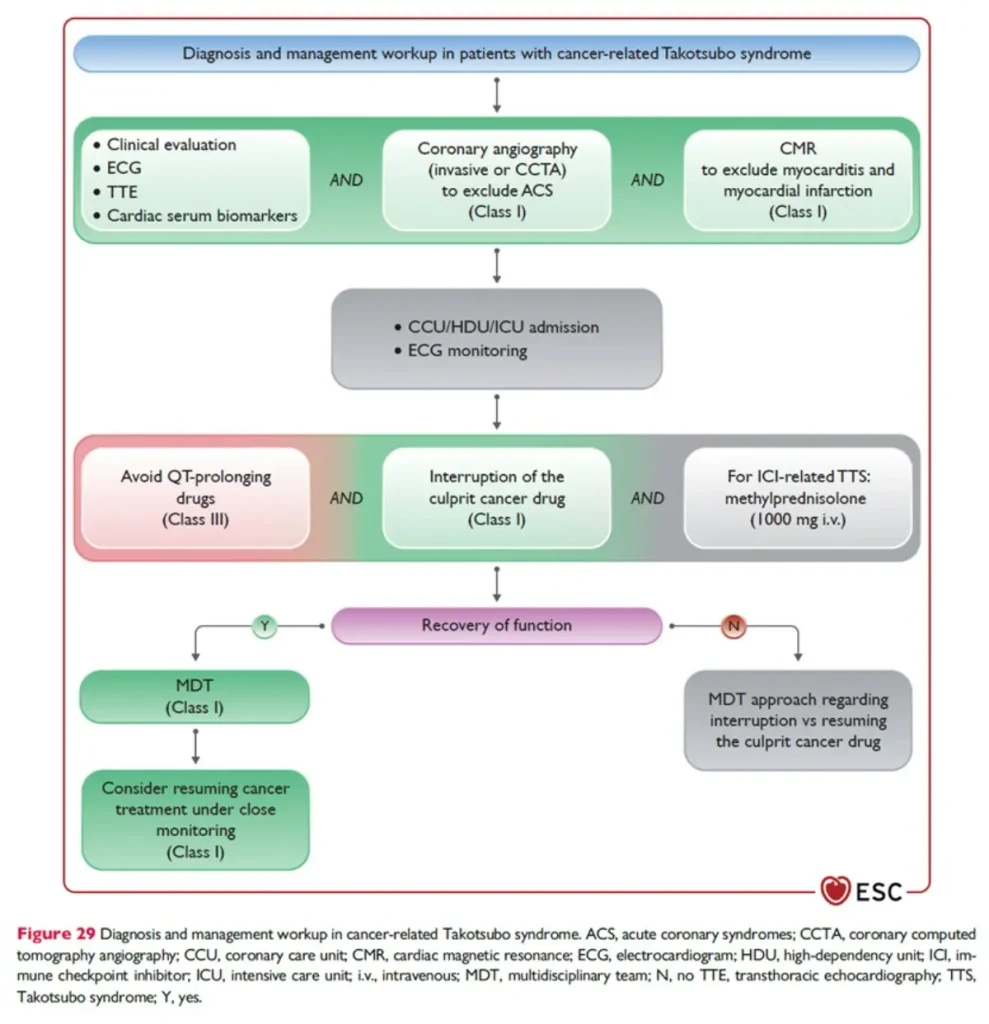
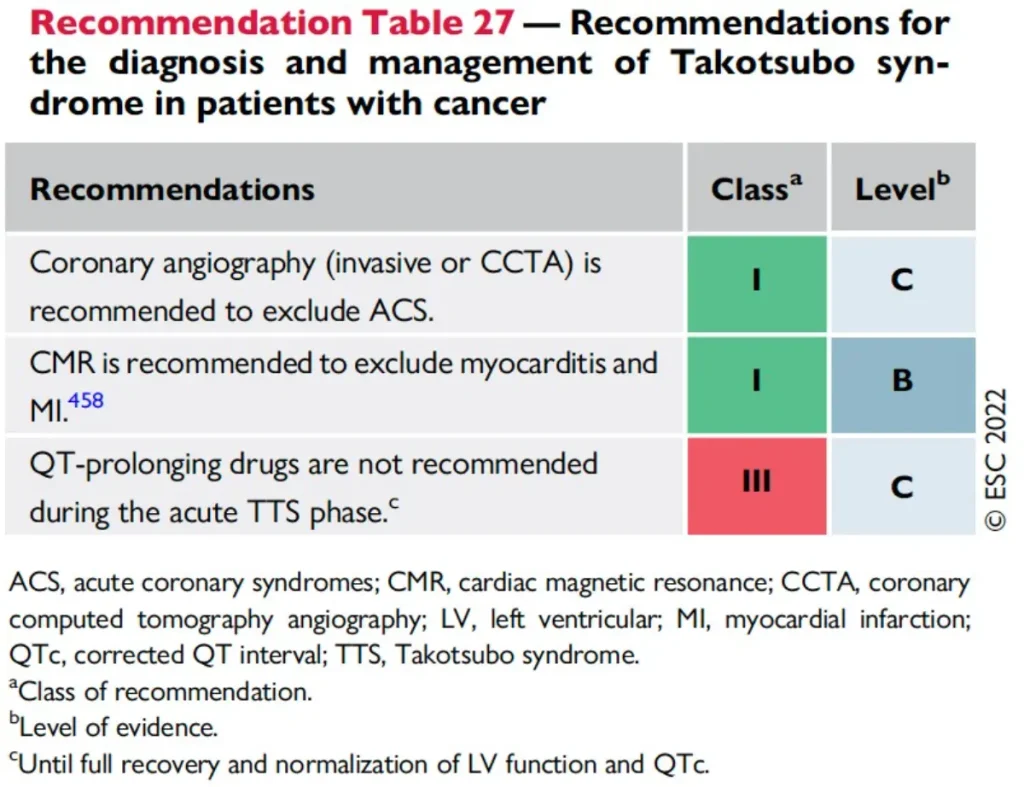
    • Actively consider TTS in oncology patients with acute chest pain, dyspnoea, ECG changes or troponin rise.
  • Recommended initial work-up
    • Clinical examination
    • 12-lead ECG
    • Transthoracic echocardiography (TTE)
      • Cardiac biomarkers: Cardiac troponin (cTn), Natriuretic peptides (BNP or NT-proBNP)
    • Cardiac MRI (CMR), according to ESC 2022 Cardio-Oncology guideline algorithm
  • Coronary imaging
    • In most patients, invasive coronary angiography is required to exclude acute myocardial infarction.
    • In patients with advanced malignancy or significant thrombocytopaenia where invasive angiography is contraindicated, CT coronary angiography is recommended.
  • Timing and follow-up imaging
    • Perform cardiac imaging as early as possible once TTS is suspected, as LV dysfunction can be transient.
    • If significant LV dysfunction (LVD) is present:
      • Schedule repeat imaging to document recovery of LV function.

Therapy and oncology treatment

  • Cancer treatment
    • Interrupt the culprit cancer drug in patients with TTS.
    • Avoid QT-prolonging medications where possible.
  • ICI-associated TTS
    • The role of immunosuppression is currently unclear.
    • If CMR shows myocardial inflammation in a TTS pattern:
      • v. methylprednisolone is recommended, given the overlap between ICI-induced TTS and ICI-induced myocarditis.
    • Data on ICI rechallenge after TTS and recovery of LV function are limited; decisions must be individualised.
  • Multidisciplinary management and monitoring
    • A multidisciplinary discussion (cardio-oncology, treating oncologist, etc.) is recommended after recovery from the acute TTS episode.
    • If restarting the culprit cancer drug is necessary from an oncology perspective:
      • Implement regular cardiac biomarker monitoring, e.g.:
        • cTn and NT-proBNP before every ICI cycle
        • Transthoracic echocardiography if a new rise in cardiac biomarkers occurs.

References

  • Lyon AR et al. 2022 ESC Guidelines on cardio-oncology developed in collaboration with the European Hematology Association (EHA), the European Society for Therapeutic Radiology and Oncology (ESTRO) and the International Cardio-Oncology Society (IC-OS). Eur Heart J (2022) : 00, 1-133.

Cancer associated thrombosis & VTE

Commonly / frequently implicated therapies associated with CAT


Chemotherapy

Carboplatin, cisplatin

Asparaginase

Cyclophosphamide

Anthracyclines : epirubicin, doxorubicin, daunorubicin

Antimetabolites : 5-fluorouracil, capecitabine, cytarabine, 6-mercaptopurine, fludarabine, methotrexate, gemcitabine, pemetrexed

Irinotecan

Taxanes : paclitaxel, docetaxel, cabazitaxel

Endocrine therapyTamoxifen
Targeted therapy

CDK-inhibitors : palbociclib, abemaciclib, ribociclib

IMiDs : thalidomide, lenalidomide, pomalidomide

Proteasome inhibitors : carfilzomib

Angiogenesis-inhibitors : bevacizumab, axitinib, lenvatinib, pazopanib, sorafenib, sunitinib

Immune therapy

Immune checkpoint inhibitors

CAR-T cell therapy

Other factors in cancer patients

Erythropoiesis-stimulating agents

Central venous catheter

<6mo after diagnosis

+ consider cancer type and stage

Prevalence of CAT by cancer type
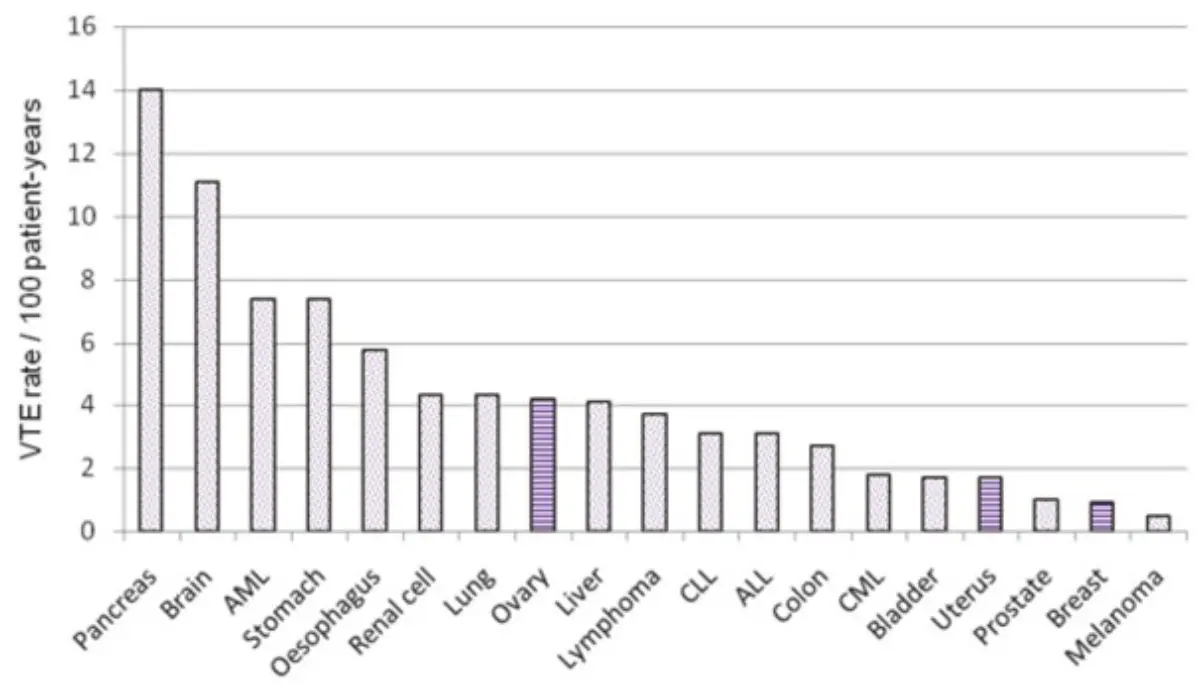
Diagnostic approach

The same diagnostic approach and monitoring of VTE (DVT & PE) as in non-cancer patients apply.

DIAGNOSTIC CAVEATS :

  • D-dimers are less reliable in cancer patients
  • Unprovoked VTE may be the first presentation of cancer (+/- 20% of unprovoked VTE)
  • Consider unusual site VTE in cancer patients : upper limb, portal vein, sinus venosus, PAC-thrombosis

Therapeutic approach : cardiovascular aspects


AspectKey points
Incidental VTE / PETreat identical to symptomatic VTE / PE
PAC-associated thrombosis

Catheter may remain if functional, non-infected, well-positioned, and still indicated; otherwise consider removal (discuss with oncologist).

After removal: therapeutic anticoagulation for 3 months.

If left in place: extended therapeutic anticoagulation

Choice of anticoagulant

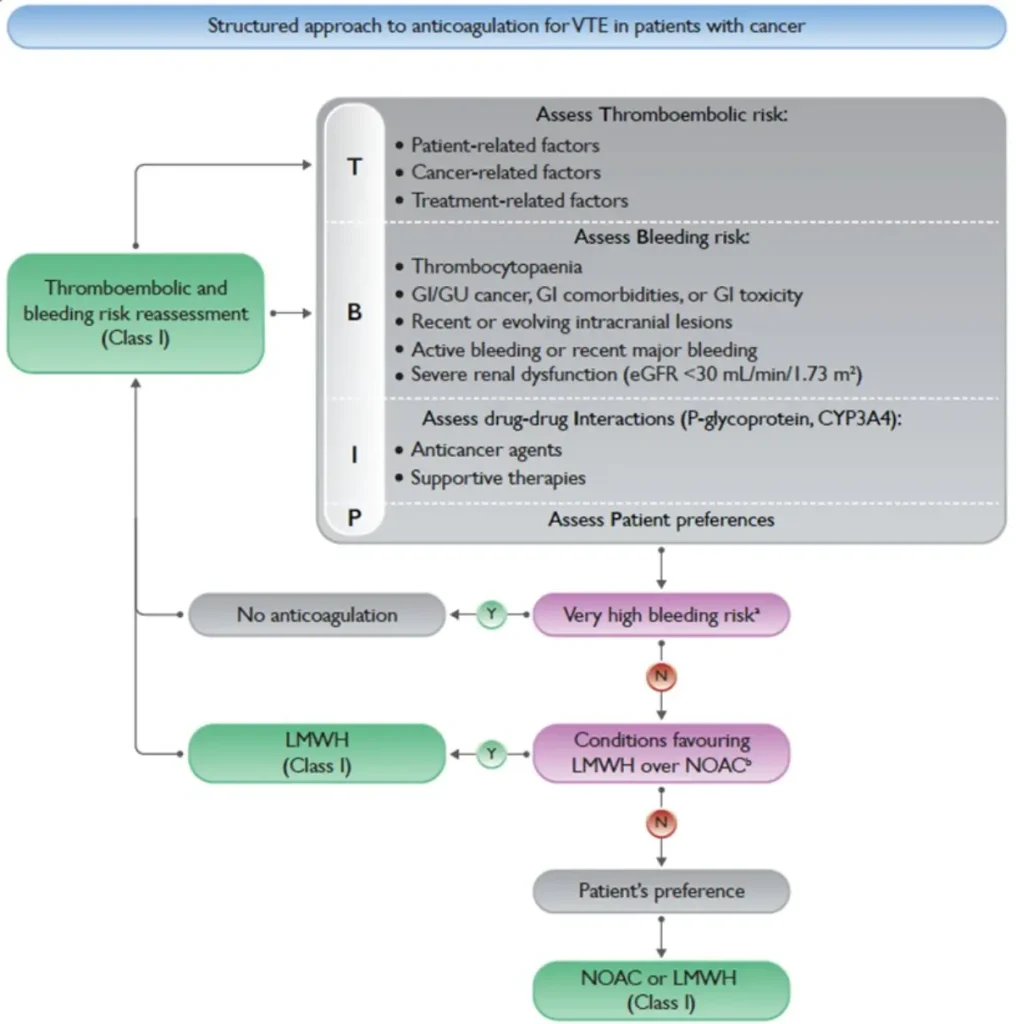
DOACs (edoxaban, rivaroxaban, apixaban) are non-inferior to LMWH;

avoid vitamin K antagonists (VKA)

Treatment duration

Minimum 6 months

Consider sufficiently long anticoagulant therapy + imaging reassessment

Extended treatment – therapeutic doseContinue therapeutic anticoagulation in active malignancy, ongoing cancer therapy, or metastatic disease
Extended treatment – secondary preventionConsider reduced-dose apixaban for long-term prophylaxis in selected patients
IVC filter Use in CAT remains controversial

Therapeutic approach : oncological aspects


AspectKey points
Very high bleeding risk

Active/recent (<1 month) major bleeding;

recent/evolving intracranial lesions;

platelets <25,000/mm³

Conditions favouring LMWH

Unoperated GI/GU cancer; GI comorbidities or toxicity;

severe renal dysfunction (CrCl <15 mL/min);

major drug–drug interactions with DOACs;

platelets <50,000/mm³

Thrombocytopaenia (<50,000/mm³)

Multidisciplinary discussion required;

consider dose-reduced LMWH

Primary VTE prophylaxisEvidence strongest in post-operative setting: prophylactic LMWH up to 4 weeks postoperatively
Cancer therapy interruption Generally not required in VTE unless in severe PE/VTE.
Severe VTE / ATE in IMID therapy / angiogenesis inhibitionDiscuss alternatives with treating oncologist

References

  • Lyon AR et al. 2022 ESC Guidelines on cardio-oncology developed in collaboration with the European Hematology Association (EHA), the European Society for Therapeutic Radiology and Oncology (ESTRO) and the International Cardio-Oncology Society (IC-OS). Eur Heart J (2022) : 00, 1-133.

  • Gevaert SA et al. Evaluation and management of cancer patients presenting with acute cardiovascular disease: a Clinical Consensus Statement of the Acute CardioVascular Care Association (ACVC) and the ESC council of Cardio-Oncology—part 2: acute heart failure, acute myocardial diseases, acute venous thromboembolic diseases, and acute arrhythmias. Eur Heart J Acute Cardiovasc Care (2022) : 11, 865-74.

  • Mahé I, Carrier M, Didier M, et al. Extended reduced-dose apixaban for cancer-associated venous thromboembolism. NEJM. Published online March 29, 2025. 

  • Bauersachs RM et al. Guidelines for the management of cancer and thrombosis – Special aspects in women, Thrombosis Research, Volume 135, Supplement 1, 2015,

CTR-CVT Definitions

Cancer-therapy related cardiac dysfunction

Encompasses cardiac injury, cardiomyopathy and heart failure[i].

Can be symptomatic of asymptomatic

1. Symptomatic CTRCD

HF syndrome with symptoms and clinical signs of volume overload and/or inadequate perfusion caused by structural and/or functional cardiac abnormalities

  • BNP <100pg/mL or NT-proBNP <300pg/mL excludes HF in acute setting;
  • BNP <35pg/mL or NT-proBNP <125pg/mL excludes HF in subacute setting

2. Asymptomatic HF

More frequent in cancer patients then symptomatic HF

Grading is based on the LVEF change; LV GLS and/or biomarkers help further determine severity

Symptomatic CTRCD Very severe HF requiring inotropic support, mechanical circulatory support or consideration of heart transplantation
Severe HF hospitalization
Moderate Need for outpatient intensification of diuretic and HF therapy
Mild Mild HF symptoms, no intensification of therapy neede
Asymptomatic CTRCD Severe New LVEF reduction to <40%
Moderate New LVEF reduction by ≥10 percent points to LVEF 40-49% OR New LVEF reduction by <10 percent points to LVEF 40-49% AND new decline LV GLS >15% from baseline OR new rise in cardiac biomarkers
Mild LVEF ≥50% AND new decline LV GLS >15% from baseline AND/OR new rise in cardiac biomarkers

Myocarditis

Myocarditis is an inflammatory disease of the heart; in the case of cancer patients mostly due to direct toxicity or to an immune-mediated event.


Pathohistological diagnosis (EMB)Multifocal inflammatory cell infiltrates with overt cardiomyocyte loss by light microscopy.
Clinical diagnosis#&

cTN elevation (new or significant change from baseline) with 1 major criterion or 2 minor criteria after excluding ACS and acute infectious myocarditis based on clinical suspicion.

Major criterion:

  • CMR diagnostic for acute myocarditis (modified Lake Louise criteria).

Minor criteria:

  • Clinical syndrome (including any of following: fatigue, myalgias, chest pain, diplopia, ptosis, shortness of breath, orthopnea, lower-extremity edema, palpitations, light-headedness/dizziness, syncope, muscle weakness, cardiogenic shock).
  • Ventricular arrhythmias (incl. cardiac arrest) and/or new conduction disease
  • Decline in LV systolic function with/without regional wall motion abnormalities in non-Tako-Tsubo pattern.
  • Other immune-related adverse events, particularly myositis, myopathy, myasthenia gravis.

Suggestive CMR findings.

Severity of myocarditis
  • Fulminant: haemodynamic instability, HF requiring non-invasive or invasive ventilation, complete or high-grade heart-block and/or significant ventricular arrhythmia.
  • Non-fulminant: including significant but hemodynamically and electrically stable patients and incidental cases diagnosed at the same time as other immuno-related adverse events. Patients may have reduced LVEF but no features of severe disease
  • Smouldering (subclinical): incidentally diagnosed myocarditis without clinical signs or symptoms
  • Steroid refractory: non-resolving or worsening myocarditis (clinical worsening or persistent cTn elevation after exclusion of other aetiologies) despite high doses of methylprednisone
Recovery
  • Complete recovery: complete resolution of acute symptoms, normalization of biomarkers and recovery of LVEF after discontinuation of immunosuppression. CMR may still show LGE or elevated T1 due to fibrosis, but absence of any acute oedema
  • Recovering: ongoing improvement in clinical symptoms, signs, biomarkers and imaging parameters, but not yet normalized, while on tapering doses of immunosppression

# Clinical diagnosis should be confirmed with CMR of endomyocardial biopsy if possible and wiothout causing delays of treatment

& In a patient that is unwell, treatment with immunosuppression should be initiated promptly while awaiting further confirmatory testing

Vascular toxicities

Vacular toxicity is the induction or aggravation of vascular disease due to cancer therapy

Can be symptomatic of asymptomatic.

A. Asymptomatic vascular toxicities

recognized by changes in diagnostic testing parameters beyond what can be expected based on analytical and biological variability and common thresholds for abnormality.

B. Symptomatic vascular toxicities

Defined by societal guidelines.

C. Hypertension

An increase in systolic and/or diastolic blood pressure (BP) after initiation of cancer therapy, without any other contributing changes.

Different agents may have variable hypertensive effects and there is remarkable inter-individual variation.

Confirm diagnosis with out-of-office BP measurements.


CategoryCriteria
NormalSBP ≤130 mmHg and DBP ≤80 mmHg
Threshold to initiate AH treatment before, during and after cancer therapy

CVD or ASCVD ≥10%:

SBP ≥130 mmHg and/or DBP ≥80 mmHg

Otherwise:

SBP ≥140 mmHg and/or DBP ≥90 mmHg

Threshold to withhold cancer therapySBP ≥180 mmHg and/or DBP ≥110 mmHg
Exaggerated hypertensive response

Systolic BP increase >20 mmHg

or mean BP increase >15 mmHg

Hypertensive emergency

(Very high) BP elevations associated with acute hypertension-mediated organ damage (heart, retina, brain, kidneys, large arteries), requiring immediate BP reduction to limit extension or promote regression of target organ damage

QTc prolongation

Fridericia formula (QTcF = QT/RR¹ᐟ³) is preferred for QT correction in cancer patients, as it reduces the overestimation of QT prolongation seen with Bazett’s formula — particularly at higher heart rates — and minimizes inappropriate management changes during QT-prolonging cancer therapy. 

 
QTcF <480ms Acceptable: continue current treatment
QTcF 480-500ms Prolonging: proceed with caution; minimize other QT prolonging medications; replete electrolytes
QTcF >500ms Prolonged: stop treatment and evaluate. May require dose reduction or alternative treatment

References

  • Lyon A et al (2022) 2022 ESCGuidelines on cardio-oncology  developed in collaboration with the European  HematologyAssociation(EHA), the European Society for Therapeutic Radiology and  Oncology (ESTRO) and the International  Cardio-Oncology Society (IC-OS) 

  • Herrmann J et al. Defining cardiovascular toxicities of cancer: an International Society of Cardio-Oncology (IC-OS) consensus statement. Eur. Heart J. 2022; 43:280-299.

  • Richardson DR et al. Association of QTc Formula With the Clinical Management of Patients With Cancer. JAMA Oncol. 2022;8(11):1616–1623. doi:10.1001/jamaoncol.2022.4194 

CAD: Cronic Coronary Syndrom

  • The management of chronic coronary syndromes (CCS) is in similar in patients with and without cancer
  • Several cancer treatments are associated with an increased risk of stable angina, e.g. 5-FU and capecitabine
  • Patients receiving cancer therapy who present with new stable angina should have careful clinical evaluation, with aggressive modification of cardiovascular risk factors and an initial medical management of their symptoms


  • The decision to perform catheterization in this population should be made even more carefully than in non-cancer patients, since bleeding risk is almost always high [5]. Cancer therapy-related timing aspects should be taken into consideration, mainly potentially foreseeable surgical interventions.
  • DAPT duration should be kept as short as possible.

According to the Society for Cardiovascular Angiography & Interventions (SCAI) 2016  expert consensus document, the following rules of thumb apply:

  • There is no minimum platelet count to perform a diagnostic coronary angiogram
  • Prophylactic platelet transfusion is not recommended, unless decided by the oncologist/hematologist, e.g. for
    • Platelet count < 20.000/ml and high fever, leukocytosis, rapid fall in platelet count or other coagulation abnormality
    • Platelet count < 20.000/ml in solid tumor patients receiving treatment for bladder, gynecologic or colorectal turmors, melanoma or necrotic tumors
  • Aspirin may be used when platelet counts are >10.000/ml
  • For platelet counts <30.000/ml, revascularisation and DAPT should be decided after a multidisciplinary evaluation and risk/benefit analysis


  • As in non-cancer patients, radial approach is recommended
  • 30-50 U/kg unfractionated heparin (3000-5000 U) is the initial recommended dose for thrombocytopenic patients undergoing PCI who have platelets <50.000/ml. ACT should be monitored.
  • DAPT with clopidogrel may be used when platelet counts are 30.000-50.000/ml. Prasugrel, ticagrelor, and IIB-IIIA-inhibitors should not be used in patients with platelets counts <50.000/ml.
  • If platelet counts are <50.000/ml, DAPT duration may be restricted to 2 weeks after plain old balloon angioplasty (POBA), and to 6 months after DES implantation with optimal stent expansion.
  • Consider POBA in case DAPT is not possible, i.e. for platelet counts <30.000/ml or when non-cardiac procedures or surgery is necessary as soon as possible

References

  • Vrints et al., “2024 ESC Guidelines for the management of chronic coronary syndromes,” Eur Heart J, vol. 45, no. 36, pp. 3415–3537, Sep. 2024, doi: 10.1093/EURHEARTJ/EHAE177.
  • U. Campia et al., “Cardio-Oncology: Vascular and Metabolic Perspectives: A Scientific Statement From the American Heart Association,” Circulation, vol. 139, no. 13, pp. E579–E602, Mar. 2019, doi: 10.1161/CIR.0000000000000641.
  • A. R. Lyon et al., “2022 ESC Guidelines on cardio-oncology developed in collaboration with the European Hematology Association (EHA), the European Society for Therapeutic Radiology and Oncology (ESTRO) and the International Cardio-Oncology Society (IC-OS)Developed by the task force on cardio-oncology of the European Society of Cardiology (ESC),” Eur Heart J, Aug. 2022, doi: 10.1093/EURHEARTJ/EHAC244.
  • C. A. Iliescu et al., “SCAI Expert consensus statement: Evaluation, management, and special considerations of cardio-oncology patients in the cardiac catheterization laboratory (endorsed by the cardiological society of india, and sociedad Latino Americana de Cardiologıa interv…,” Catheter Cardiovasc Interv, vol. 87, no. 5, pp. E202–E223, Apr. 2016, doi: 10.1002/CCD.26379.
  • M. Dafaalla et al., “Bleeding risk prediction after acute myocardial infarction-integrating cancer data: the updated PRECISE-DAPT cancer score,” Eur Heart J, vol. 45, no. 34, pp. 3138–3148, Sep. 2024, doi: 10.1093/EURHEARTJ/EHAE463.

Stem Cell Transplantation

Indications:

  • Hematologic malignancies such as acute myeloid leukemia (AML), acute lymphocytic leukemia (ALL), myelodysplastic syndrome (MDS), chronic myeloid leukemia (CML), aggressive and indolent lymphomas, multiple myeloma, and selected myeloproliferative neoplasms.
  • Non-malignant disorders such as severe aplastic anemia, congenital immunodeficiencies, and hemoglobinopathies (e.g. sickle-cell disease, thalassemia)


 Main cardiovascular complicationsKey clinical considerations
Pre-HSCT (baseline assessment) 
  • Assess cumulative exposure to cardiotoxic therapies (anthracyclines, chest RT)
  • Optimize treatment of pre-existing cardiovascular disease and risk factors before conditioning
Early phase (<100 days post-HSCT)
  • Atrial fibrillation (most common)
  • Heart failure (less frequent)
  • Hypertension or hypotension
  • Pericardial effusion
  • Venous thromboembolism (VTE)
  • High-risk period due to conditioning toxicity, infections, fluid shifts, and inflammation
  • Acute GVHD increases risk of thrombosis and inflammatory myocardial injury
Intermediate phase (3–12 months)
  • Persistent or new-onset heart failure
  • Conduction abnormalities and arrhythmias
  • Pericardial disease
  • Monitor patients with early complications or high risk for cardiotoxicity to detect subclinical LV dysfunction
  • Define long-term survivorship plan
Late phase (>1 year post-HSCT)
  • Hypertension
  • Diabetes mellitus
  • Dyslipidaemia and metabolic syndrome
  • Coronary artery disease (CAD)
  • Heart failure
  • Conduction disorders
  • Recurrent pericardial effusion
  • Lifelong cardiovascular surveillance
  • Aggressive management of traditional CV risk factors
  • Chronic GVHD is associated with increased cardiometabolic risk
GVHD-related complications (all phases)Acute GVHD:
myocarditis, heart failure, arrhythmias, conduction disorders, pericardial effusion, thrombosis.

Chronic GVHD:
Progressive hypertension, diabetes mellitus, dyslipidaemia.

  • Multidisciplinary management with hematology and cardiology
  • Consider immune-mediated mechanisms
  • Lower threshold for cardiac imaging and specialist referral


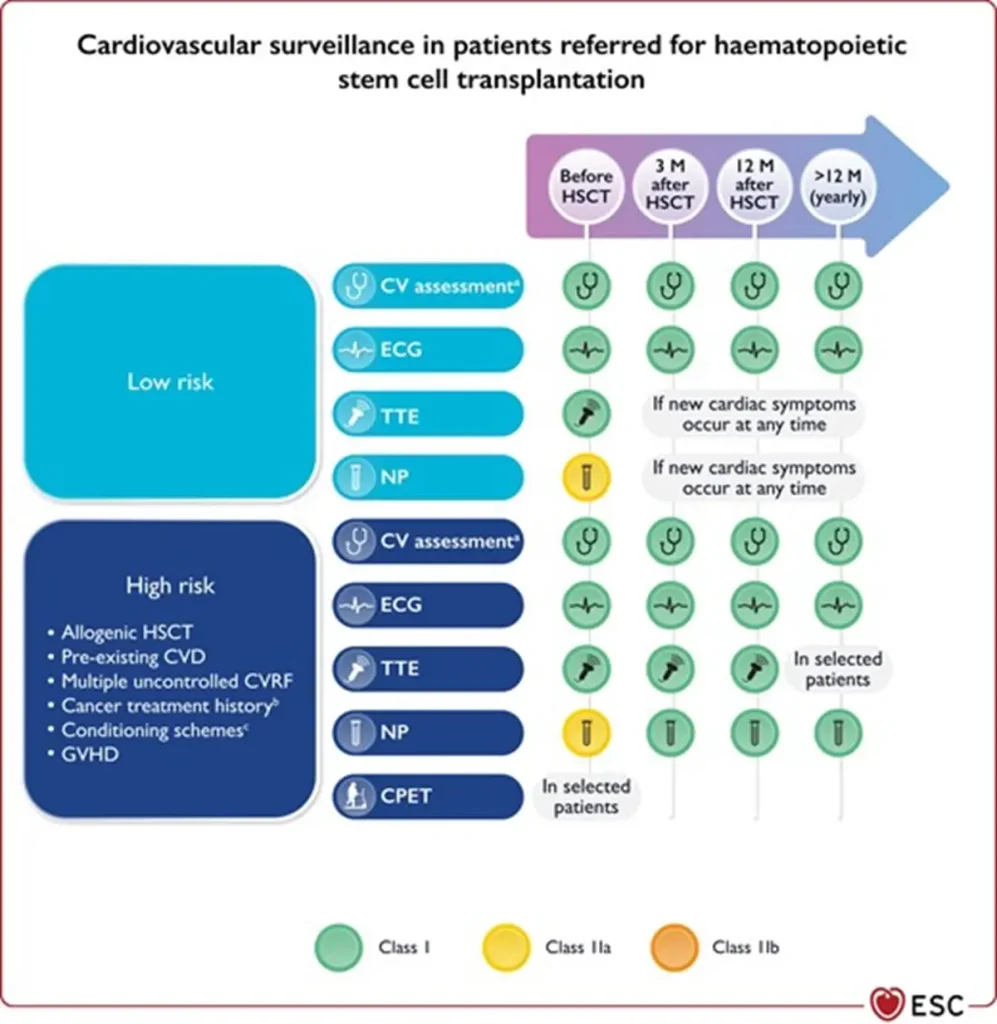
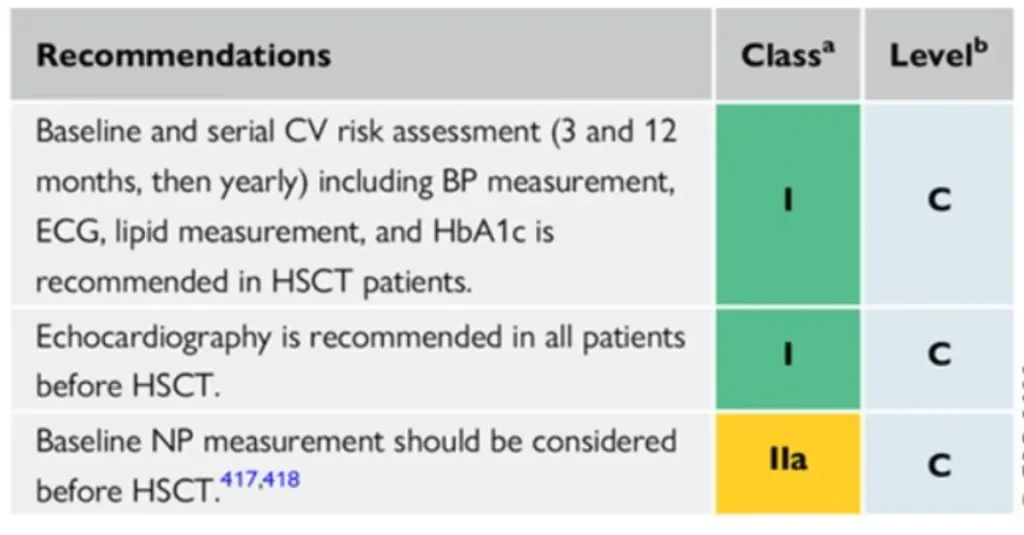
Footnote for figure: BNP, B-type natriuretic peptide; BP, blood pressure; CPET, cardiopulmonary exercise testing; CV, cardiovascular; CVD, CV disease; CVRF, cardiovascular risk factors; ECG, electrocardiogram; GVHD, graft vs. host disease; HbA1c, glycated haemoglobin; HSCT, haematopoietic stem cell transplantation; M, months; NP, natriuretic peptides (including BNP or NT-proBNP); NT-proBNP, N-terminal pro-BNP; TTE, transthoracic echocardiography. aIncluding physical examination, BP, lipid profile, and HbA1c. bMediastinal or mantle field radiation, alkylating agents, >250 mg/m2 doxorubicin or equivalent. cTotal body irradiation, alkylating agents.

References

  • Tocchetti CG et al. Cardiovascular toxicities of immune therapies for cancer– a scientific statement of the Heart Failure Association (HFA) of the ESC and the ESC Council of Cardio-Oncology. Eur J of Heart Failure (2024) 26, 2055–2076
  • Lyon A et al (2022) 2022 ESCGuidelines on cardio-oncology developed in collaboration with the European  HematologyAssociation(EHA), the European Society for Therapeutic Radiology and  Oncology (ESTRO) and the International  Cardio-Oncology Society (IC-OS).   Eur Heart Journal (2022) 43, 4229–4361 https://doi.org/10.1093/eurheartj/ehac244
  •  

Anthracyclines

AgentMain oncologic / hematologic indicationsType of cardiotoxicityEstimated risk
Doxorubicin (Adriamycin®, Caelyx® (pegylated liposomal)) Daunorubicin Epirubicin Idarubicin

Solid tumors:
breast cancer, ovarian cancer, lung cancer, gastrointestinal cancers, bone and soft-tissue sarcomas.  

Hematologic malignancies:
Hodgkin and non-Hodgkin lymphoma, ALL, AML, multiple myeloma, neuroblastoma.

  • Dose-dependent, often irreversible myocardial damage.
  • Typically presents as dilated cardiomyopathy and HF.
  • Acute effects (rare): arrhythmias, transient LV dysfunction.
  • Pathophysiology: cardiomyocyte apoptosis, oxidative stress, topoisomerase IIβ inhibition, mitochondrial dysfunction.

Symptomatic CTRCD:

  • ~1–5% at low–moderate cumulative doses.
  • Up to 5–20% or higher at high cumulative doses (e.g. doxorubicin >550 mg/m²).

Asymptomatic CTRCD:

  • 20–40%
Mitoxantrone

Hematologic malignancies:
Acute myeloid leukemia (especially relapsed/refractory), non-Hodgkin lymphoma

 Solid tumors:
metastatic castration-resistant prostate cancer.

Non-oncologic indications:
selected forms of multiple sclerosis.)

  • anthracycline-like myocardial injury:
  • Dose-dependent systolic dysfunction and HF.
  • Mechanistically similar to anthracyclines but less cardiotoxic per cumulative dose.
  • Generally lower than doxorubicin.
  • Commonly reported around 1–4% at standard cumulative doses.

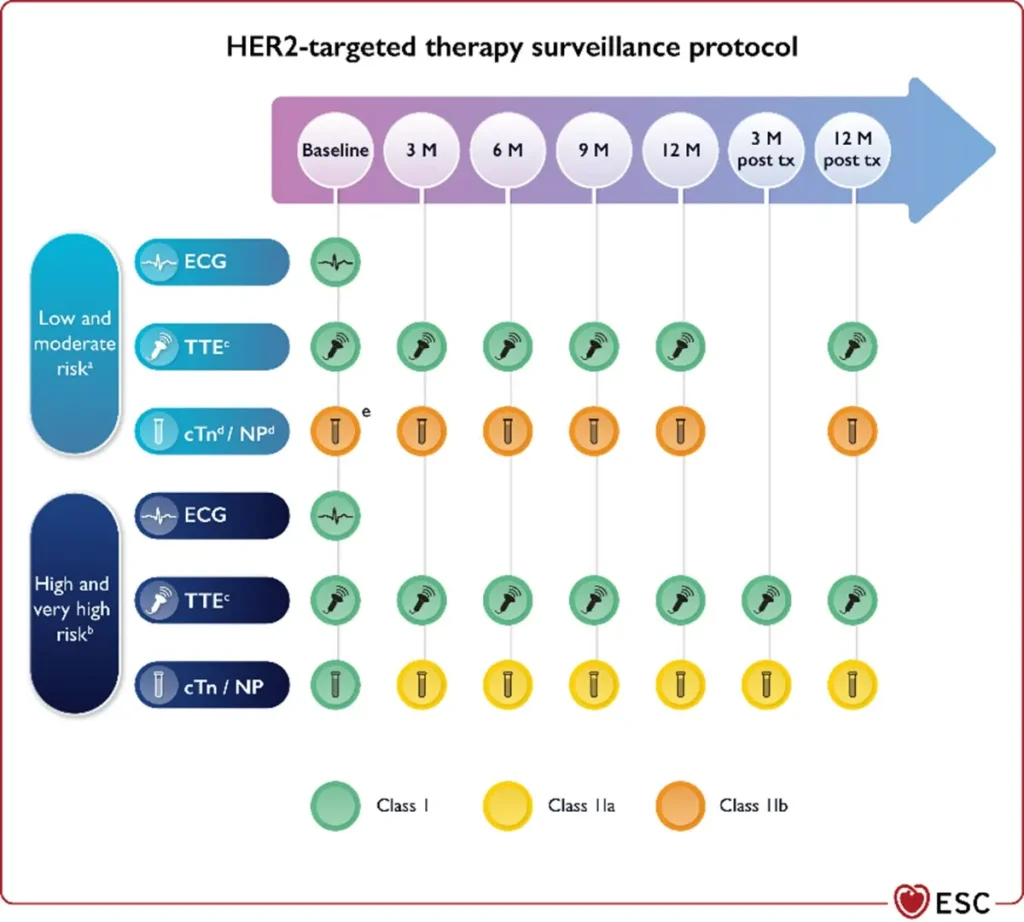
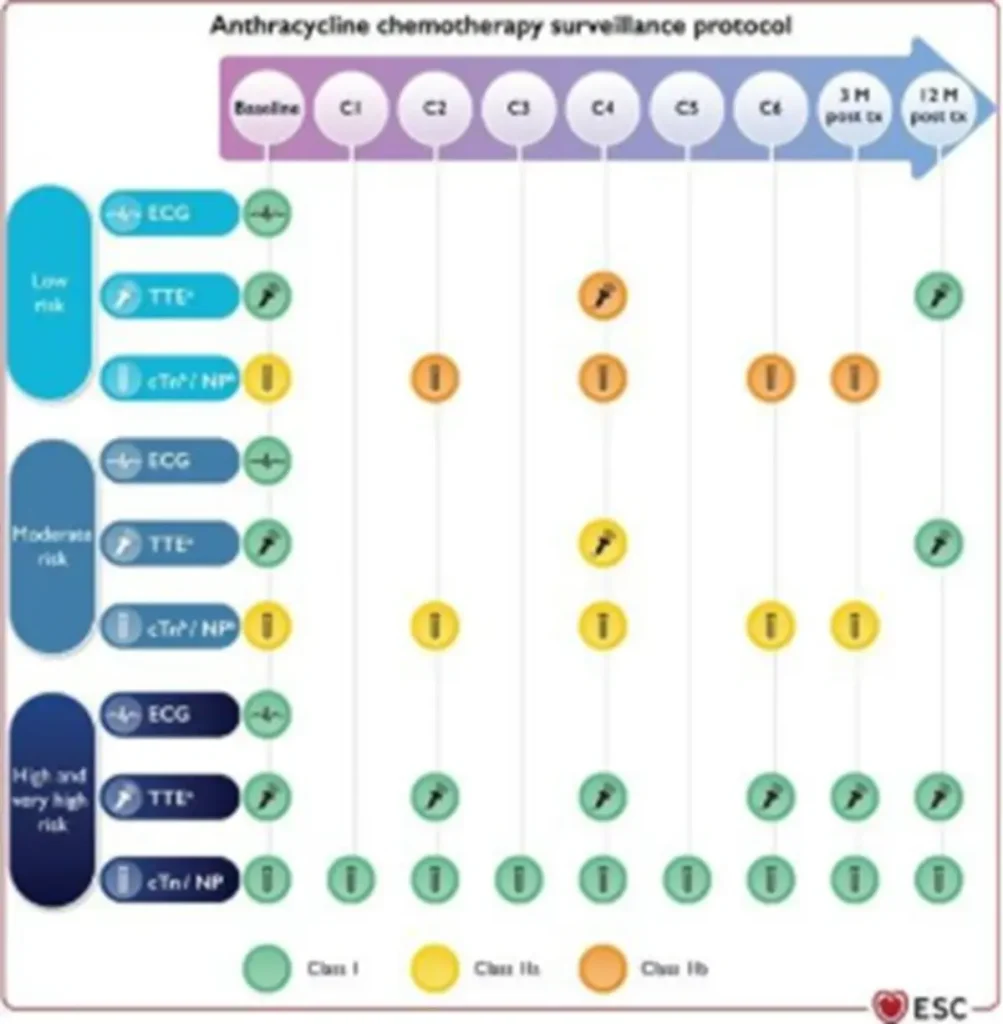
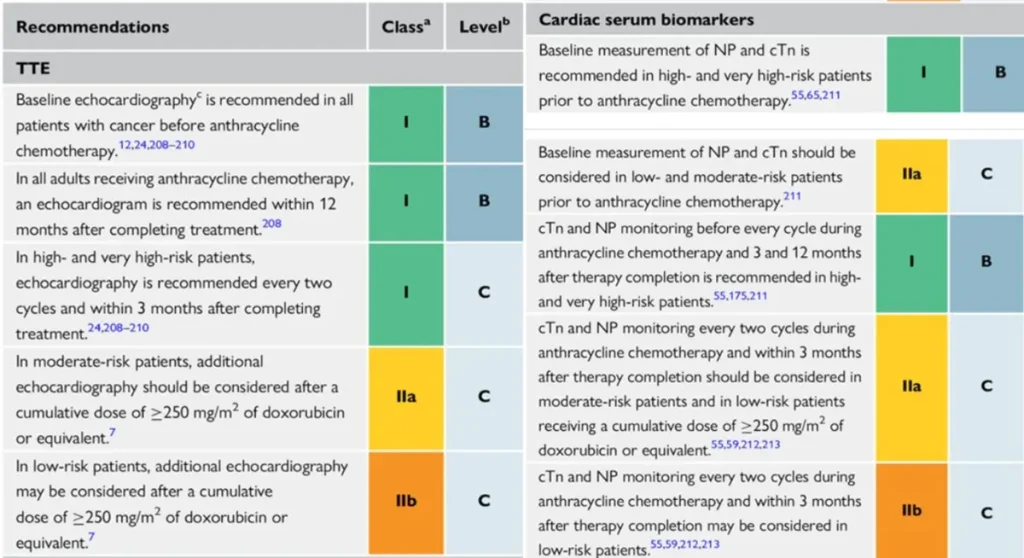
Proposed Surveillance (ESC guidelines):
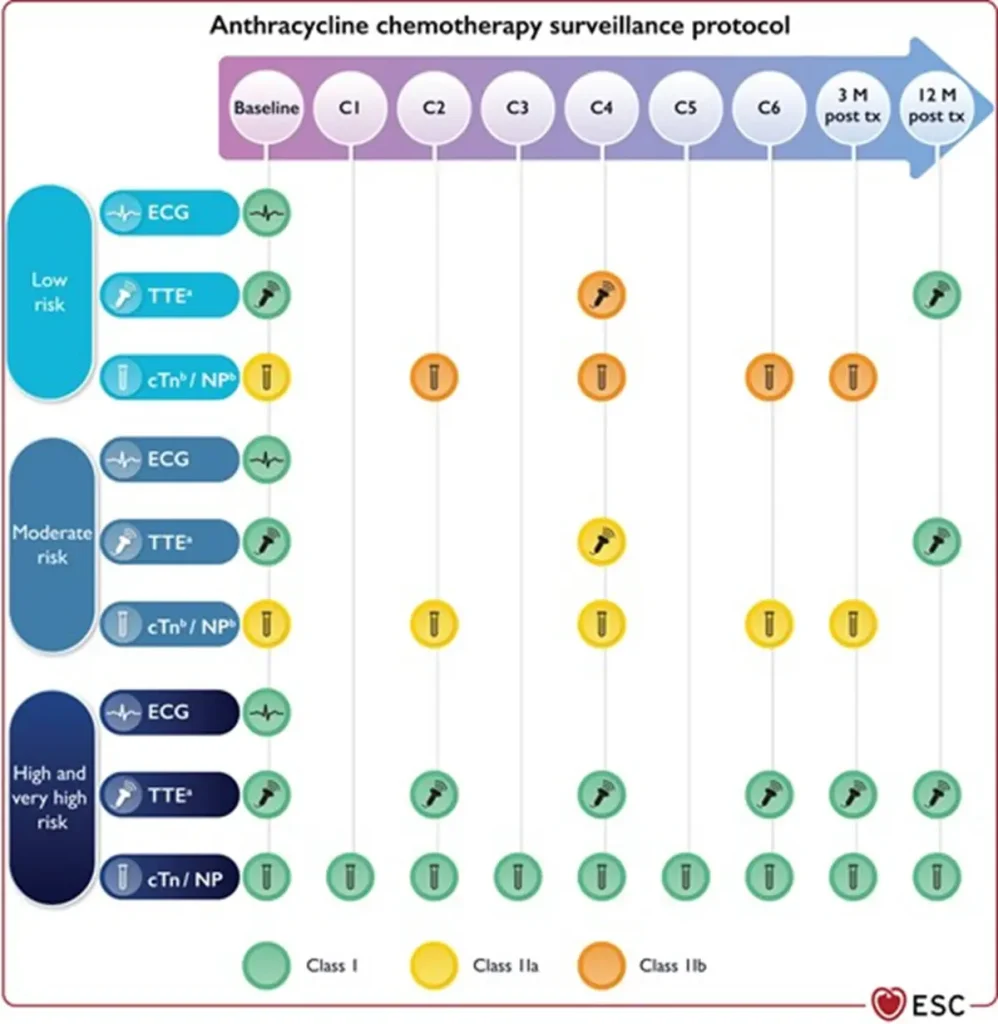
Of note: NTproBNP is not reimbursed in Belgium

Anthracycline equivalent dosis calculator: https://www.cancercalc.com/anthracycline.php

References

  • Henriksen, P. A. (2018). “Anthracycline cardiotoxicity: an update on mechanisms, monitoring and prevention.” Heart, 104(12), 971–977.
  • Lyon A et al (2022) 2022 ESCGuidelines on cardio-oncology developed in collaboration with the European  HematologyAssociation(EHA), the European Society for Therapeutic Radiology and  Oncology (ESTRO) and the International  Cardio-Oncology Society (IC-OS). European Heart Journal (2022) 43, 4229–4361  https://doi.org/10.1093/eurheartj/ehac244
  • https://www.cancer.gov/about-cancer/treatment/drugs/

Anti-HER 2

Agent (commercial name) Main oncologic indications Type of cardiotoxicity Estimated risk
Trastuzumab (Herceptin®) HER2-positive (IHC 3+ or FISH+) breast cancer (early and metastatic).
HER2-positive gastric, gastro-esophageal junction, and selected pulmonary cancers.
  • Predominantly LV systolic dysfunction (LVSD)
  • Non–dose-dependent
  • Often reversible after treatment interruption
Symptomatic CTRCD:
  • 2–4% with anthracyclines
  • <1% without anthracyclines
Asymptomatic CTRCD: up to 10–15%
Pertuzumab (Perjeta®) HER2-positive breast cancer (early and metastatic),
in combination with trastuzumab and chemotherapy.
Trastuzumab emtansine (T-DM1) (Kadcyla®) HER2-positive breast cancer in the (neo)adjuvant and metastatic setting after prior trastuzumab/taxane therapy. LVEF decline: ~0.9%
Symptomatic HF is uncommon
Trastuzumab deruxtecan (T-DXd) (Enhertu®) HER2-positive metastatic breast cancer.
HER2-low (IHC 2+, FISH−) and HER2 ultra-low (IHC 1+) metastatic breast cancer.
LVEF decline: ~4.2%
Symptomatic HF is uncommon

Across all HER2-targeted therapies, the risk of cancer therapy–related cardiac dysfunction (CTRCD) is significantly increased when combined with or preceded by anthracycline therapy, emphasizing the importance of baseline cardiovascular risk stratification and cardiac monitoring.

Proposed Surveillance (ESC guidelines):
NTproBNP is not reimbursed in Belgium

References

  • Zamorano, J. L., et al. (2016). “2016 ESC Position Paper on cancer treatments and cardiovascular toxicity.” European Journal of Heart Failure, 19(1), 9–42.Lyon A et al (2022) 2022 ESCGuidelines on cardio-oncology developed in collaboration with the European  HematologyAssociation(EHA), the European Society for Therapeutic Radiology and  Oncology (ESTRO) and the International  Cardio-Oncology Society (IC-OS).   Eur Heart Journal (2022) 43, 4229–4361 https://doi.org/10.1093/eurheartj/ehac244
  • Seth L, Bhave A, Kollapaneni S, et al. Cardiotoxic Effects of Antibody Drug Conjugates vs Standard Chemotherapy in ERBB2-Positive Advanced Breast Cancer: A Systematic Review and Meta-Analysis. JAMA Netw Open. 2025;8(11):e2540336. doi:10.1001/jamanetworkopen.2025.40336
  • Lyon A et al (2022) 2022 ESCGuidelines on cardio-oncology developed in collaboration with the European  HematologyAssociation(EHA), the European Society for Therapeutic Radiology and  Oncology (ESTRO) and the International  Cardio-Oncology Society (IC-OS). European Heart Journal (2022) 43, 4229–4361  https://doi.org/10.1093/eurheartj/ehac244
  • https://www.cancer.gov/about-cancer/treatment/drugs/

Antimetabolites

Agent Main oncologic / hematologic indications Type of cardiotoxicity Estimated risk and risk factors
5-Fluorouracil (5-FU) Capecitabine Gastrointestinal cancers: colorectal, gastric, pancreatic, esophageal cancer.Also used in (neo)adjuvant regimens for head and neck cancers.
  • Predominantly coronary vasospasm
  •  Angina, myocardial ischemia, myocardial infarction
  • Atrial and ventricular arrhythmias
Any cardiac event: ~3–7% in most series (reported range 0.99–19.9%). Most frequent are ischemic events. Risk factors: pre-existing CAD, prior chest radiotherapy, renal insufficiency, dihydropyrimidine dehydrogenase (DPD) deficiency.
Cytarabine Hematological indications:
  • Acute myeloid leukemia (AML): induction and consolidation therapy.
  • Other acute leukemias;
  • Occasional use in lymphomas (e.g. intrathecal therapy).
  • Pericarditis
  • Rare LV systolic dysfunction / cardiomyopathy
Pericarditis: <5%. Cardiomyopathy: rare, usually associated with high-dose regimens.
Methotrexate Hematologic malignancies: Acute lymphocytic leukemia (ALL) (systemic and intrathecal), lymphomas (including primary CNS lymphoma). Solid tumors: osteosarcoma, head and neck cancers. Non-oncological indications: autoimmune disease and trophoblastic disease (low dose) Pericarditis / effusion: <5%, often dose-related. Cardiomyopathy: uncommon.

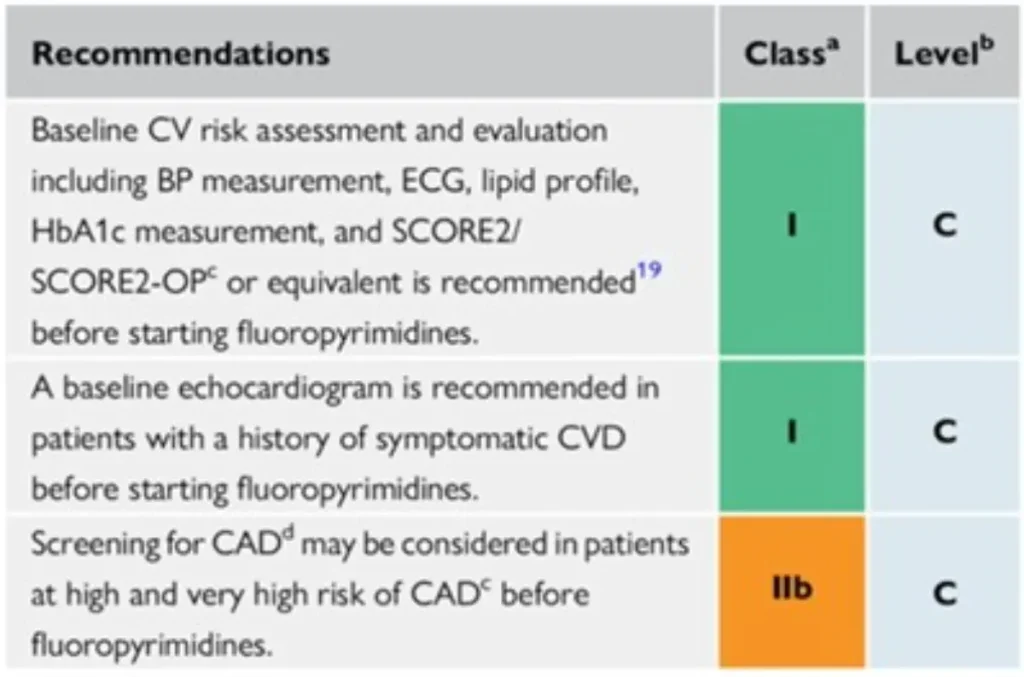
Proposed Surveillance for 5-Fluorouracil (5-FU) and Capecitabine (ESC guidelines):

No specific surveillance recommendations for cytarabine, methotrexate : consider surveillance strategies for other anticancer drugs that are given in combination.

References

  • Depetris I, Marino D, Bonzano A, Cagnazzo C, Filippi R, Aglietta M, Leone F. Fluoropyrimidine-induced cardiotoxicity. Crit Rev Oncol Hematol. 2018 Apr;124:1-10. doi: 10.1016/j.critrevonc.2018.02.002. Epub 2018 Feb 7. PMID: 29548480.
  • de Forni M, Armand JP. Cardiotoxicity of chemotherapy. Curr Opin Oncol. 1994 Jul;6(4):340-4. doi: 10.1097/00001622-199407000-00003. PMID: 7803534.
  • Weisfelner Bloom M et al. Cardio-Oncology and Heart Failure: a Scientific Statement From the Heart Failure Society of America. Journal of Cardiac Failure Volume 31, Issue 2 p 415-455February 2025

Immune Checkpoint Inhibitors

Drug class / Agent Main oncologic indications ESC-aligned cardiotoxicity profile Estimated risk
Anti-PD-1 / Anti-PD-L1 Nivolumab (Opdivo®) Pembrolizumab (Keytruda®) Atezolizumab (Tecentriq®) Durvalumab (Imfinzi®) Cemiplimab (Libtayo®) Avelumab (Bavencio®) Dostarlimab (Jemperli®) Broad spectrum of solid tumours, including: Non-small cell lung cancer (NSCLC), melanoma, renal cell carcinoma, urothelial carcinoma, head and neck cancers, MSI-H / dMMR colorectal and other GI cancers; hepatocellular carcinoma, cervical and endometrial cancer, cutaneous squamous cell carcinoma (Indication depends on tumour type and PD-1/PD-L1 status.) Immune-mediated CTR-CVT:
  • Myocarditis (often fulminant)
  • Pericarditis
  • Atrial and ventricular arrhythmias and conduction disorders
  • Heart failure, including late non-inflammatory LV dysfunction
  • Myocarditis (all grades): ~0.06–1.14%. Case fatality rate: up to 30–50% despite low incidence. Higher incidence and severity in combination regimens.
  • Other cardiac immune-related adverse events (irAEs) are similarly rare.
  • Factors associated with high risk for cardiotoxicity: dual ICI therapy, combination ICI therapy with other cardiotoxic therapies, ICI-related non-CV events, prior CTRCD or CVD
Anti-CTLA-4 Ipilimumab (Yervoy®), Tremelimumab (Imjudo®) Melanoma, hepatocellular carcinoma, renal cell carcinoma, selected GI and other solid tumors, often in combination with anti-PD-1 therapy.
Anti-LAG-3 Relatlimab (Opdualag® — fixed-dose combination with nivolumab) Melanoma, typically in combination with nivolumab.

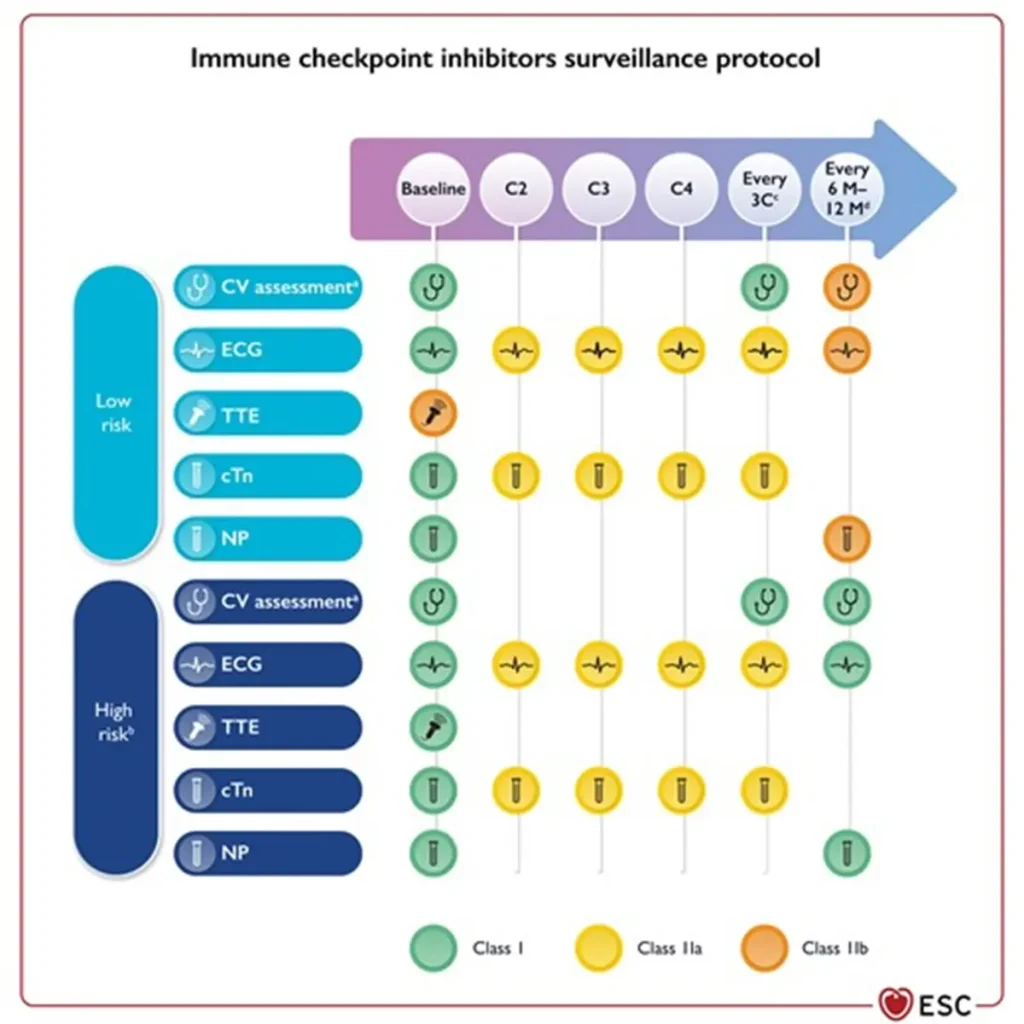
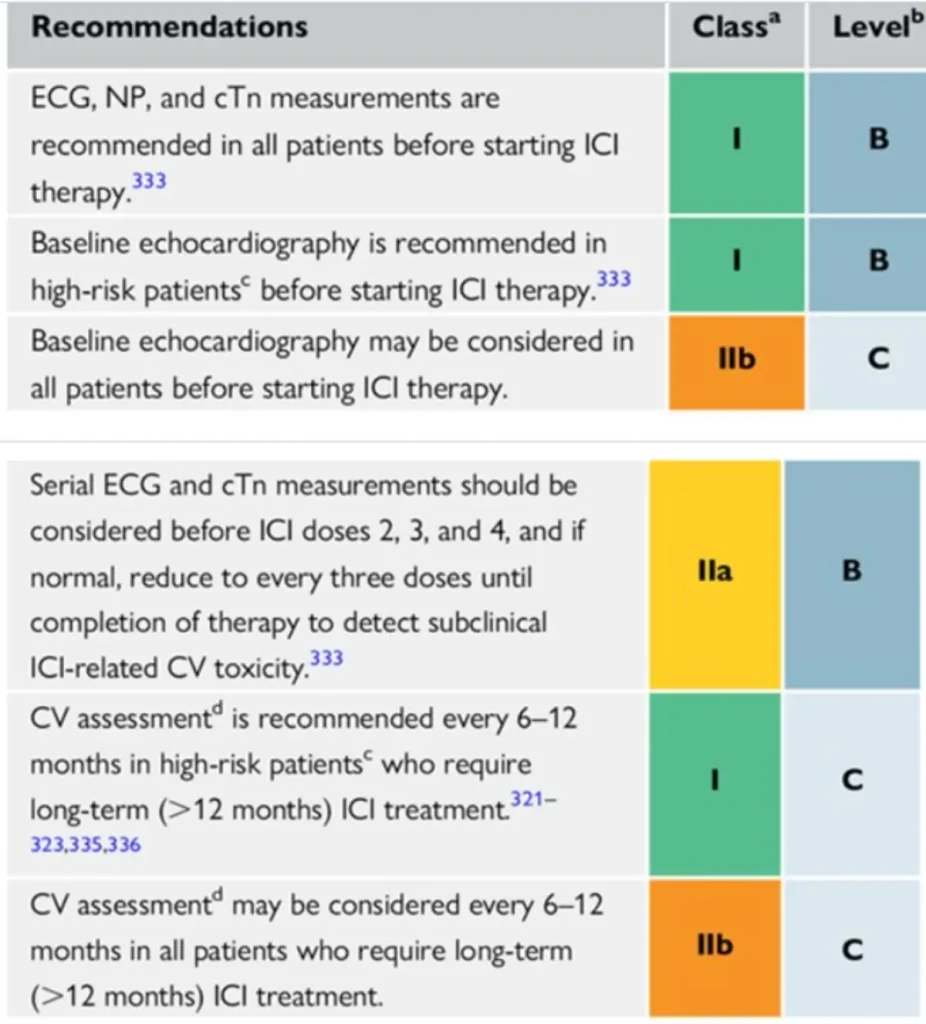
Surveillance:

Consider multidisciplinary discussion via BSMO BITOX Immunomanager submission
https://bsmo.be/multidiscplin-immunotox-meeting/

References

  • Patel RP, Parikh R, Gunturu KS, Tariq RZ, Dani SS, Ganatra S, Nohria A. Cardiotoxicity of Immune Checkpoint Inhibitors. Curr Oncol Rep. 2021 May 3;23(7):79. doi: 10.1007/s11912-021-01070-6. PMID: 33937956; PMCID: PMC8088903
  • Lyon A et al (2022) 2022 ESCGuidelines on cardio-oncology developed in collaboration with the European  HematologyAssociation(EHA), the European Society for Therapeutic Radiology and  Oncology (ESTRO) and the International  Cardio-Oncology Society (IC-OS).   Eur Heart Journal (2022) 43, 4229–4361 https://doi.org/10.1093/eurheartj/ehac244

Cart-T Cell Therapy


TherapyMain oncologic indicationsType of cardiotoxicity Approximate risk

CAR T-cell therapy (CAR-T)

(e.g. tisagenlecleucel, axicabtagene ciloleucel, lisocabtagene maraleucel, idecabtagene vicleucel, ciltacabtagene autoleucel):

Hematologic malignancies, depending on product:

  • B-cell acute lymphoblastic leukemia (B-ALL)
  • Diffuse large B-cell lymphoma and other aggressive B-cell lymphomas
  • Mantle cell lymphoma
  • Multiple myeloma

Hematologic malignancies, depending on product:

  • B-cell acute lymphoblastic leukemia (B-ALL)
  • Diffuse large B-cell lymphoma and other aggressive B-cell lymphomas
  • Mantle cell lymphoma
  • Multiple myeloma

LVEF or GLS decline: ~5–10%

Symptomatic HF: 2–15%

Acute coronary syndrome: 1.4–7%

Any arrhythmia: 0.8–12.2%

Atrial fibrillation: 0.4–7.6% Hypotension: up to 87% (often CRS-related)

Tumor-infiltrating lymphocytes (TIL)

Advanced or metastatic cutaneous melanoma.

Under investigation for other solid tumors.

  • Hypotension
  • Arrhythmias

Hypotension: ~2.6%
Atrial fibrillation: ~14%
Troponin elevation: ~2.3%

Consider multidisciplinary discussion via BSMO BITOX Immunomanager submission
https://bsmo.be/multidiscplin-immunotox-meeting/

  • Cardiovascular toxicity from cellular immunotherapies is frequently acute and CRS-related, with arrhythmias and hypotension predominating. Prompt recognition and multidisciplinary management are essential.
  • Specific risk assessment tools are not available

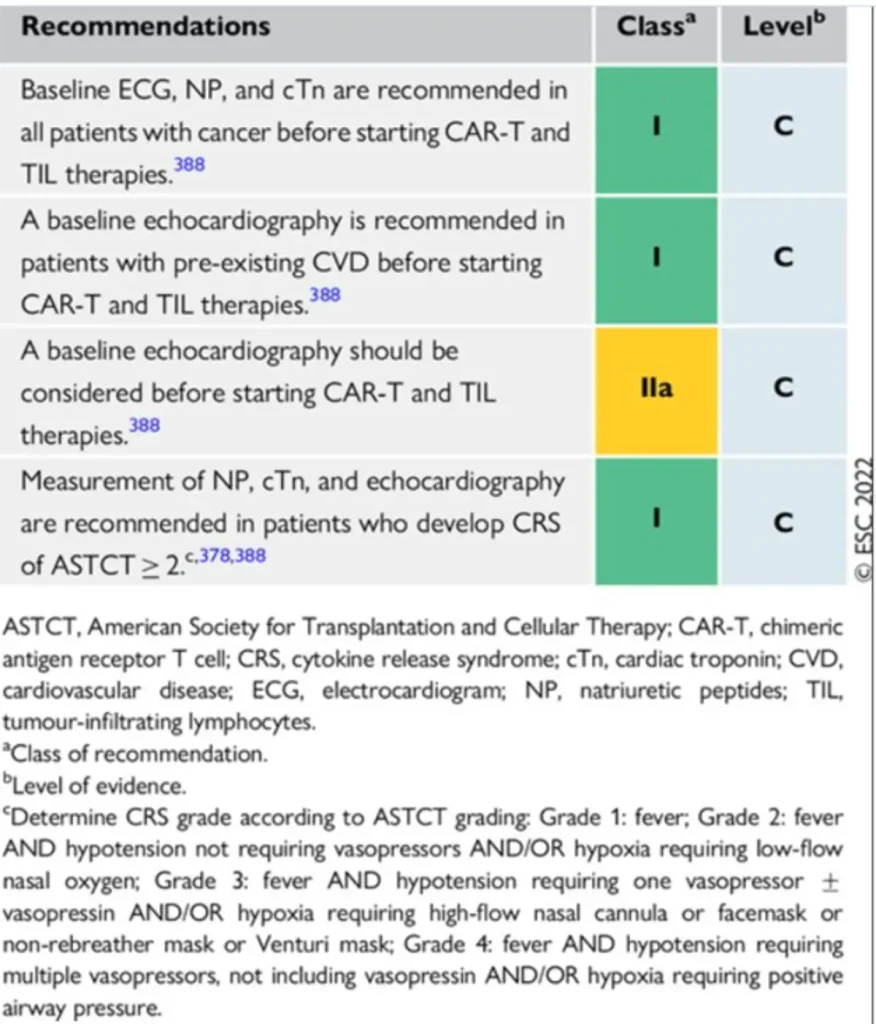
Proposed surveillance (ESC guidelines):

  • NB: Patients treated with TIL or CAR-T have a relatively high mortality per se and might not profit from a close surveillance or discontinuation of an anti-cancer therapy

Grading of cytokine release syndrome Cytokine Release Syndrome (CRS) – ASTCT Consensus Criteria


CRS GradeFever (≥38°C)HypotensionHypoxia
Grade 1PresentNoneNone
Grade 2PresentResponsive to IV fluids (no vasopressors)Requiring low-flow oxygen (≤6 L/min nasal cannula)
Grade 3PresentRequiring one vasopressor (± vasopressin)Requiring high-flow oxygen (>6 L/min), face mask, or non-rebreather
Grade 4PresentRequiring multiple vasopressors (excluding vasopressin)Requiring positive pressure ventilation (CPAP, BiPAP, or mechanical ventilation)
  • CRS most commonly occurs within the first week after CAR-T infusion.
  • Organ dysfunction (including cardiac dysfunction) is considered a consequence of CRS, not a grading criterion.
  • Cardiovascular complications during CRS include tachyarrhythmias, hypotension, LV dysfunction, and shock, most often correlating with CRS grade ≥2.

References

  • Tocchetti CG et al. Cardiovascular toxicities of immune therapies for cancer– a scientific statement of the Heart Failure Association (HFA) of the ESC and the ESC Council of Cardio-Oncology. Eur J of Heart Failure (2024) 26, 2055–2076
  • Lyon A et al (2022) 2022 ESCGuidelines on cardio-oncology developed in collaboration with the European  HematologyAssociation(EHA), the European Society for Therapeutic Radiology and  Oncology (ESTRO) and the International  Cardio-Oncology Society (IC-OS).   Eur Heart Journal (2022) 43, 4229–4361 https://doi.org/10.1093/eurheartj/ehac244
  • Lee DW et al. ASTCT Consensus Grading for Cytokine Release Syndrome and Neurologic Toxicity Associated with Immune Effector Cells. Biol Blood Marrow Transplant. 2019 Apr;25(4):625-638.

Radiation Therapy

Commonly / frequently implicated therapies

  • Radiotherapy (RT) : currently indicated in +/- 50% of all new cancer diagnoses
  • Radiotherapy-related cardiovascular disease (RTRCD) : mainly after chest / mediastinal RT
    • Breast cancer RT
    • Hodgkins’ lymphoma RT (historically : mantle field RT)
    • Oesophageal cancer RT
    • Lung cancer RT
  • Important:
  • Total dose? Fraction dose?
  • Mean heart dose?
  • Cardiac-sparing techniques used?

There is no safe heart dose!

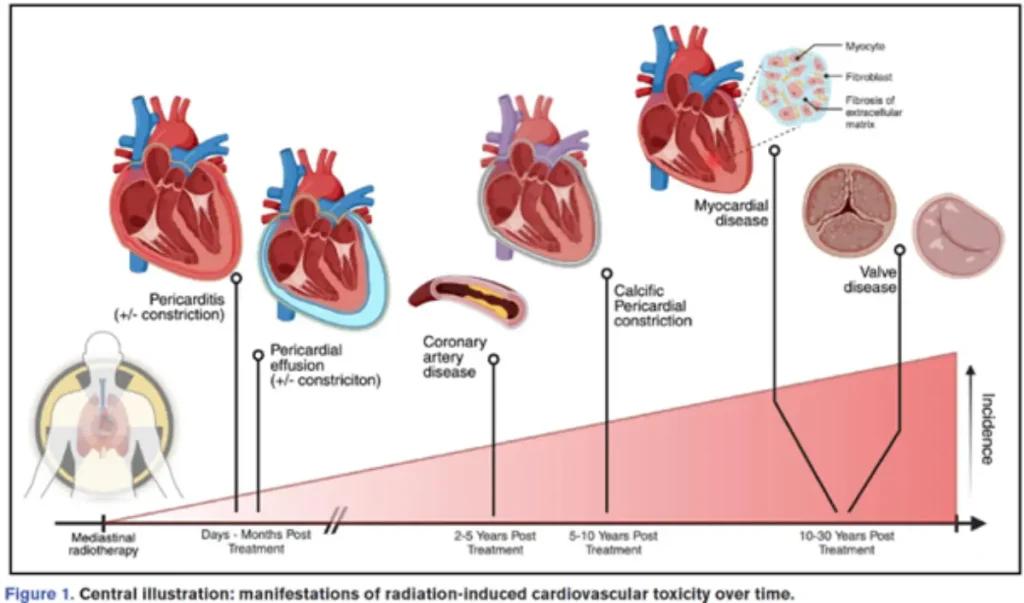
  • Mechanism of toxicity : RT-induced DNA damage à inflammation + replacement fibrosis
  • EVERY part of the cardiovascular system may be involved :
Pericardial diseaseAcute RT-induced pericarditis (rare)
Chronic pericarditis
Constrictive pericarditis
Early
Late
Late
Coronary artery disease

Proximal fibrotic noncalcified stenoses
Microvascular disease (capillary rarefaction)

Late
Intermediate – late

Valvular heart disease

Aortic valve stenosis
Mitral valve regurgation
+/- proximal aortic calcification (porcelain aorta)

Late
Late
Late
Conduction diseaseBradycardia +/- arrhythmiasLate
Myocardial diseaseDiastolic dysfunction (myocardial fibrosis)Intermediate – late
  • Identical to ESC guidelines-based approach per pathology
  • Preventive measures to mitigate RT-induced CVD are currently unavailable : best prevention is limitation of delivered dose to heart & CV structures
  • Optimal CV risk factor management remains essential.
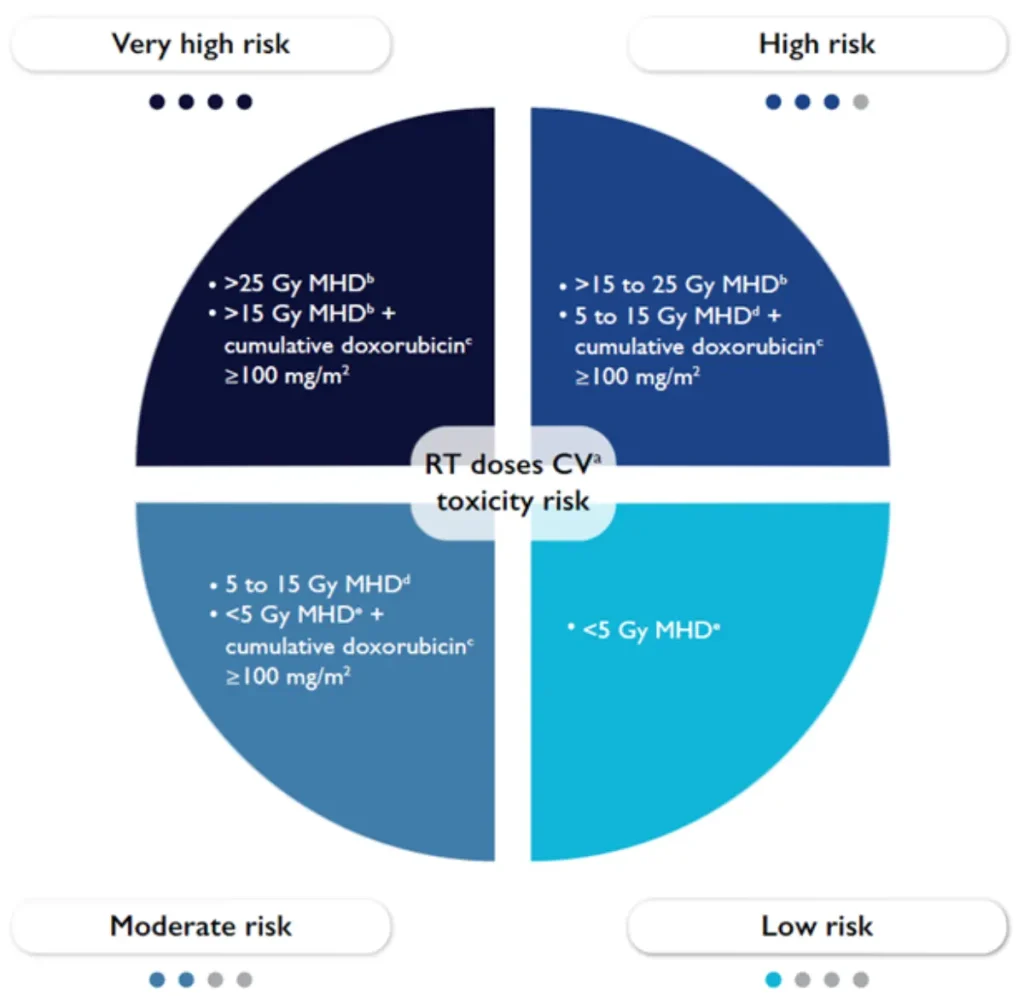
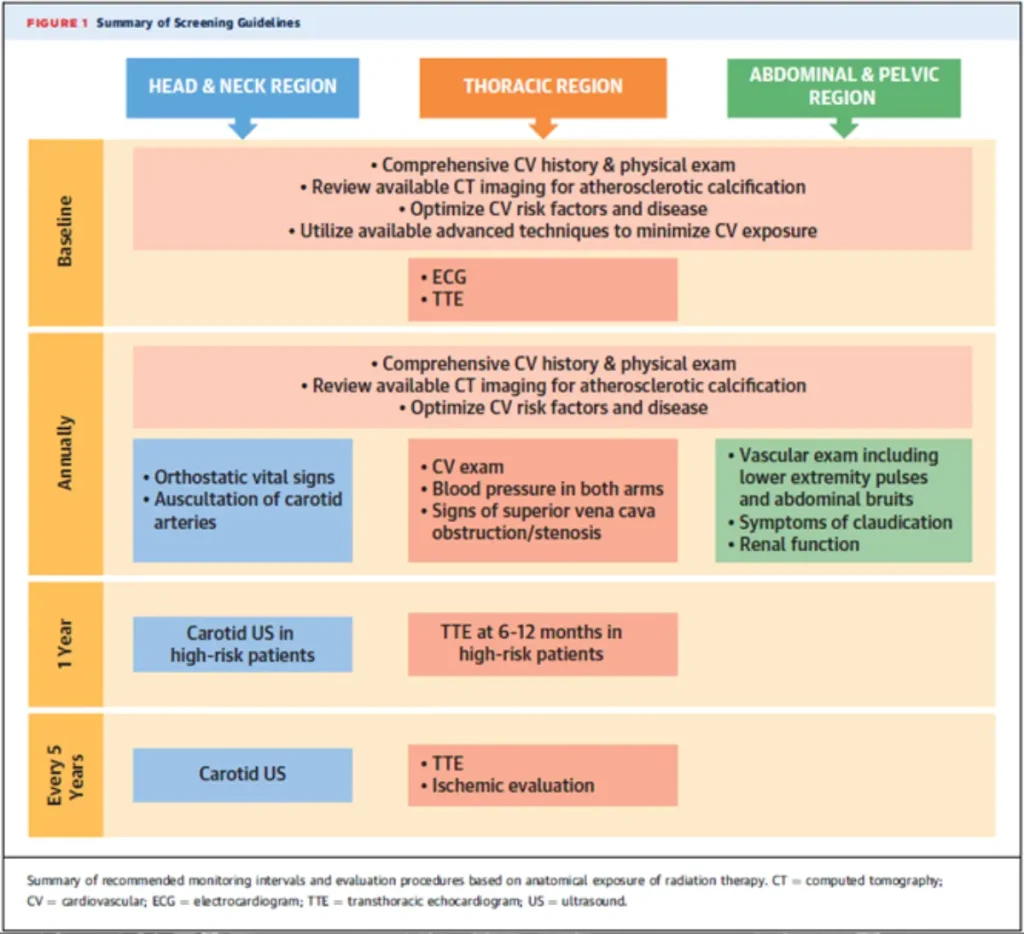
  • Follow up for late RTRCD depends on estimated risk (see the figures bellow for ESC recommendations)
  • Special situation : RT in patients with CIED (see below)

Diagnostic approach

  • Early RTRCD : rare with current RT techniques
  • Late RTRCD : very late (5-10-15+ years after RT)
  • Diagnostic approach : identical to ESC guidelines-based approach per suspected pathology

Therapeutic approach : oncological aspects

  • Since most RTRCD occurs late, oncological treatment is rarely affected by RTRCD
  • Exception : acute RT-induced pericardial disease (pericarditis +/- pericardial effusion)
    à Hold RT if still ongoing and treat as pericarditis (colchicine + acetylsalicylic acid/NSAIDs)
    à Attention to association of systemic treatments that may induce pericardial disease

Therapeutic approach : cardiovascular aspects

  • Identical to ESC guidelines-based approach per pathology
  • Preventive measures to mitigate RT-induced CVD are currently unavailable : best prevention is limitation of delivered dose to heart & CV structures
  • Optimal CV risk factor management remains essential.
  • Follow up for late RTRCD depends on estimated risk (see the figures bellow for ESC recommendations)
  • Special situation : RT in patients with CIED (see below)

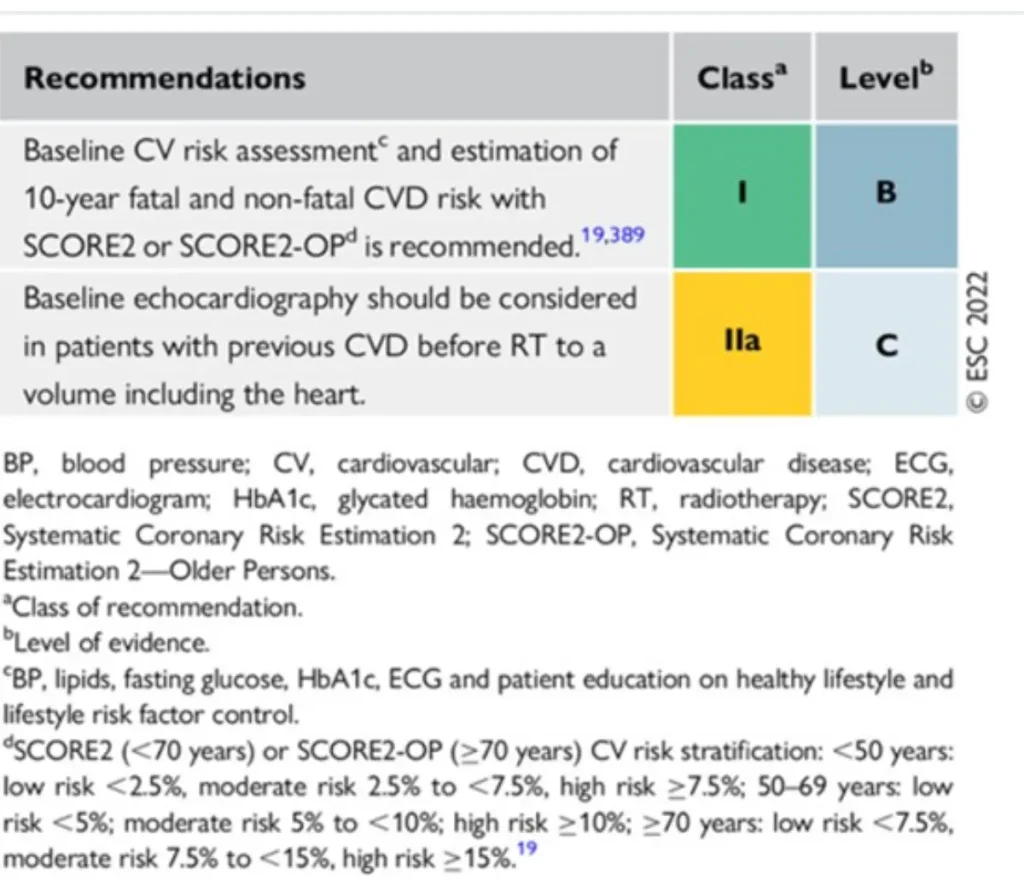
ESC Recommendations for baseline risk assessment of patients before radiotherapy to a volume including the heart

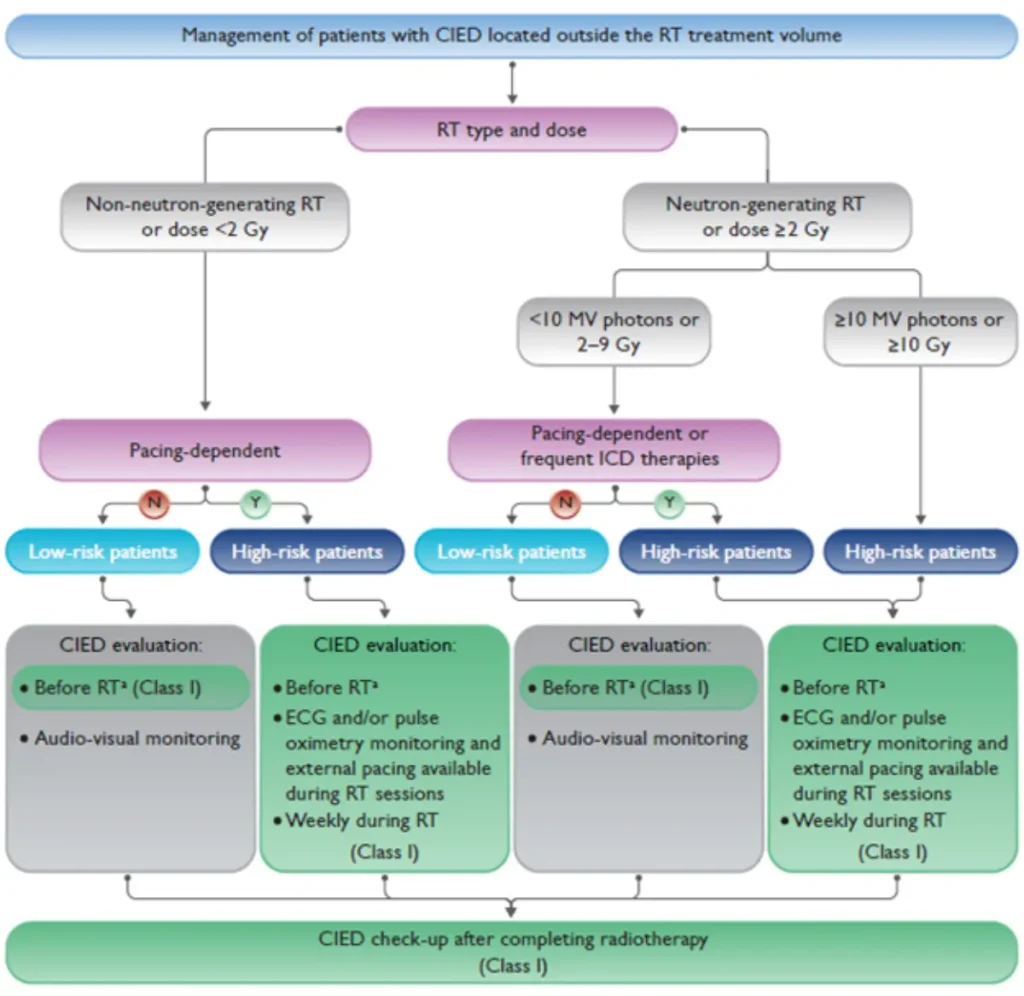
RT in patients with CIED

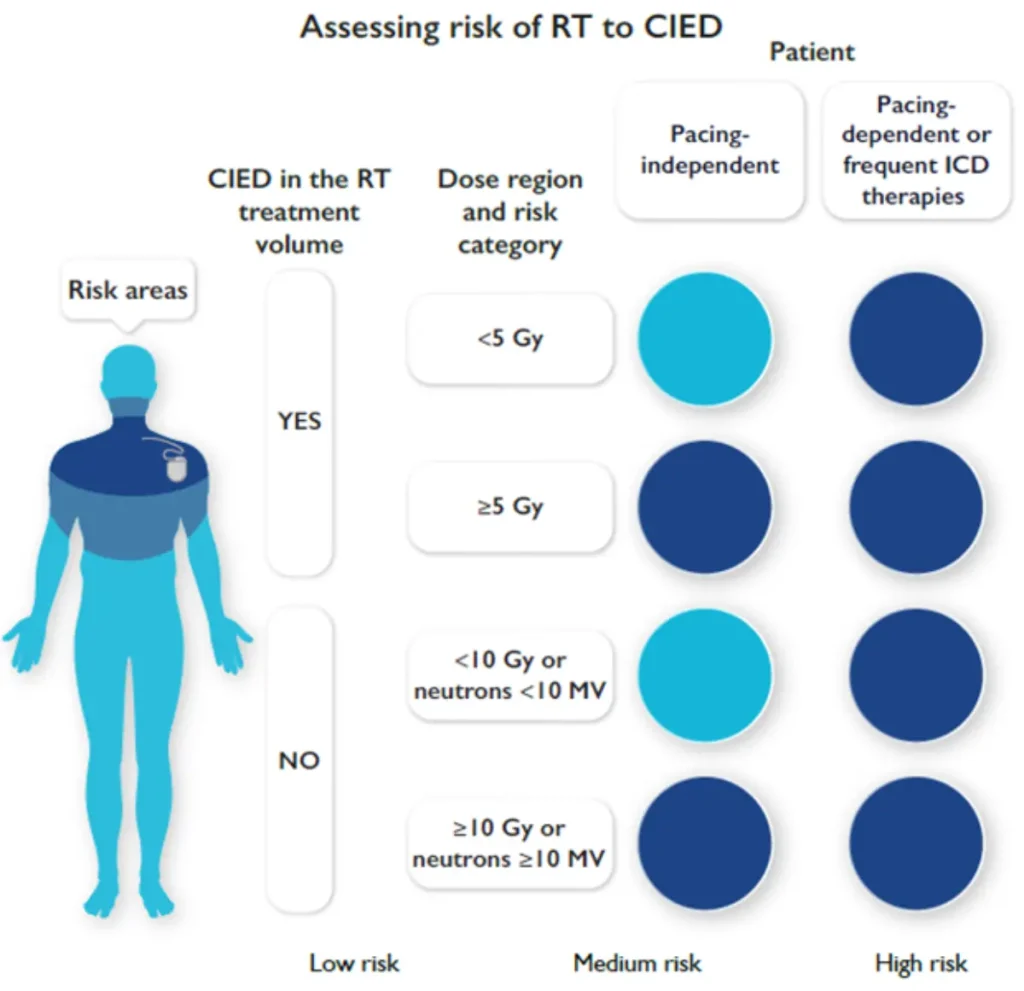
Radiotherapy (RT)–induced malfunction of cardiac implantable electronic devices (CIEDs) is rare. Higher risk with:

  • higher cumulative radiation dose
  • CIED in the treatment volume
  • exposure to neutron radiation from high-energy photon beams (>10 MV). (therefore whenever feasible, non–neutron-producing RT techniques are preferred)

CIED behaviour within or near the RT treatment field remains unpredictable with potential RT-related CIED malfunctions:

  • Transient interference during irradiation, resulting in inappropriate sensing or triggering
  • Device reset to backup settings, usually reversible with reprogramming
  • Permanent device damage, which is rare and typically associated with direct irradiation

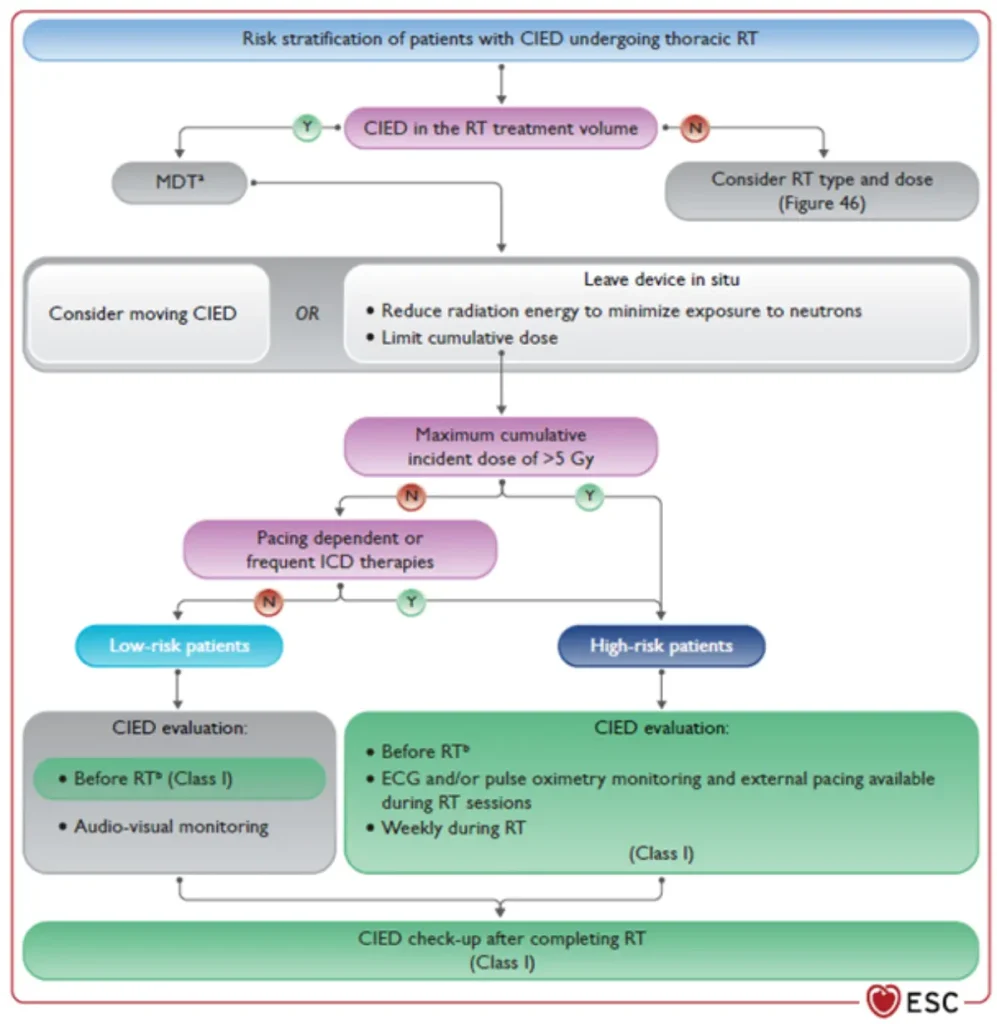
Therefore, established precautionary measures should be followed to minimize patient risk (see figures below)

Risk stratification before planned radiotherapy in patients with CIED

References

  • Lyon AR et al. 2022 ESC Guidelines on cardio-oncology developed in collaboration with the European Hematology Association (EHA), the European Society for Therapeutic Radiology and Oncology (ESTRO) and the International Cardio-Oncology Society (IC-OS). Eur Heart J (2022) : 00, 1-133.

  • Wilson J, Hua CJ, Aziminia N, Manisty C. Imaging of the Acute and Chronic Cardiovascular Complications of Radiation Therapy. Circulation Cardiovasc Img (2025) : 18e017454.

  • Mitchell JD et al. State-of-the-art review. Cardiovascular Manifestations From Therapeutic Radiation. A Multidisciplinary Expert Consensus Statement From the International Cardio-Oncology Society. J Am Coll Cardiol CardioOnc (2021) : 3, 360-80.

Immunomodulatory drugs

Agent Main hematologic indications Type of cardiotoxicity Approximate risk
Thalidomide Lenalidomide Pomalidomide Multiple myeloma (across different lines of therapy). Myelodysplastic syndromes with isolated deletion (5q) (lenalidomide). Selected other hematologic conditions.
  • Venous and arterial thromboembolism (DVT, PE, myocardial infarction, stroke)
  • Bradycardia (mainly thalidomide)
  • Venous thromboembolism: ~10–25%.
  • Arterial events: ~1–5%. Risk higher with concomitant steroids or chemotherapy.

Surveillance:

no specific recommendation. Consider surveillance protocols for other anticancer drugs given in combination.

Other chemotherapy

Alkylating agents


AgentsMain oncologic / hematologic indicationsType of Cardiotoxicity Approximate risk & notes
Cyclophosphamide, Ifosfamide

Hematologic indications:

  • Lymphomas (e.g. CHOP)
  • Leukemias
  • high-dose conditioning before autologous or allogeneic HSCT

Solid tumors:

  • breast and ovarian cancer,

• bone and soft-tissue sarcomas.

Acute/subacute CTR-CVT:

  • Myocarditis
  • Pericarditis / pericardial effusion

• Cardiomyopathy / heart failure

High-dose regimens (>120–150 mg/kg): cardiotoxicity ~8–20% (adults), ~5% (children).

HF: reported <5% up to 10–29%.

Onset typically 48 h to 10 days after exposure.

Cisplatin

Testicular, head & neck, lung, bladder, ovarian, and GI cancers (esophageal, gastric).

  • Myocardial ischemia / MI (most common)
  • Arrhythmias
  • Hypertension
  • Rare cardiomyopathy / heart failure

Considered low in monotherapy, higher (1-6%) when combined with other cardiotoxic agents (e.g. 5-FU).

Busulfan, Carmustine, Mitomycin, Melphalan

Hematologic indications:
HSCT conditioning (busulfan, melphalan, carmustine).
Multiple myeloma (high-dose melphalan).


Solid tumors:
Selected solid tumors (mitomycin in GI, carmustine in CNS tumors).

Often in high-dose settings for stem cell transplantation:

  • Veno-occlusive disease
  • Rare cardiomyopathy

• Pericardial effusion

Overall cardiac toxicity ~1–5% in transplant settings; data mainly from case series.

Surveillance:

  • No specific recommendations
  • Consider surveillance driven by co-administered cardiotoxic agents.
  • Refer to cardio-oncology for cyclophosphamide/ifosfamide in patients with known CVD, high CV risk, or planned high-dose therapy.

Antimicrotubule Agents – Taxanes and Vinca Alkaloids

 
Agents Main indications Type of Cardiotoxicity Approximate risk
Taxanes Paclitaxel, Docetaxel, Cabazitaxel Breast, ovarian, lung, prostate, head & neck, gastric and esophageal cancers.
  • Bradycardia(often asymptomatic and transient).
  • Arrhythmias
  • less commonly, conduction abnormalities, myocardial ischemia, or heart failure.
Bradycardia: ~5–30% (often asymptomatic). Arrhythmias: <5%.
Vinca alkaloids Vincristine, Vinblastine ALL, Hodgkin and non-Hodgkin lymphomas, multiple myeloma, pediatric solid tumors. Rarely myocardial ischemia/infarction, arrhythmias, or hypertension. Low cardiotoxicity risk: Cardiac events <1–2%.

Surveillance:

  • No specific recommendations
  • Consider surveillance driven by co-administered cardiotoxic agents.

Other Anticancer Agents


Agents / ClassMain indicationsType of Cardiotoxicity Approximate risk & notes
Arsenic trioxideAcute promyelocytic leukemia (APL).QT prolongation → torsades de pointes

QTc >470 ms: 20–30%.

QTc >500 ms: 10–15%.

TdP very rare (<1%) with monitoring.

BleomycinHodgkin lymphoma, testicular and germ-cell tumors.Rare myocardial ischemia, Raynaud phenomenon<1–2% in preexisting cardiovascular disease or with combination therapy.
Interferon-αMyeloproliferative neoplasms, hairy cell leukemia; historical use in CML, melanoma, RCC.Arrhythmias, cardiomyopathy, heart failure, ischemia, hypertension

Cardiac events 5–15%;

Heart failure <5%.
Tretinoin (ATRA)APL (with arsenic or chemotherapy).Not common, but can contribute to “differentiation syndrome” which may involve heart failure and pericardial effusion.Differentiation syndrome with cardiac manifestations <5%.
AmsacrineRelapsed/refractory AML.Arrhythmias, QT prolongation; rare HF

Arrhythmias 5–10%;

Heart failure <1%.
HDAC inhibitors Romidepsin, VorinostatCutaneous and peripheral T-cell lymphomas.QT prolongation, arrhythmias

QT prolongation: 10–20% (romipdesin)

QTc >500 ms: ~1–5%.
Somatostatin analogs Lanreotide, OctreotideNeuroendocrine tumors; hormonal symptom control.Bradycardia (usually asymptomatic)

Bradycardia 5–15%,

<1–2% clinically significant.

Surveillance:

  • No specific recommendations

References

  • Batra A, Patel B, Addison D, Baldassarre LA, Desai N, Weintraub N, Deswal A, Hussain Z, Brown SA, Ganatra S, Agarwala V, Parikh PM, Fradley M, Ghosh A, Guha A. Cardiovascular safety profile of taxanes and vinca alkaloids: 30 years FDA registry experience. Open Heart. 2021 Dec;8(2):e001849. doi: 10.1136/openhrt-2021-001849. PMID: 34952868; PMCID: PMC8710909.
  • National Cancer Institute. (2023). “Cardiovascular toxicities of targeted cancer therapies.” NCI Drug Information Summaries.
  • Oracle. (2025). “Does Lanreotide (Somatostatin analogue) cause bradycardia and is it dangerous?”.FDA Drug Label for Somatuline Depot (lanreotide).
  • Mondal P, Jain D, Aronow WS, Frishman WH. Cardiotoxicity of Cancer Therapies. Cardiol Rev. 2019 Sep/Oct;27(5):230-235. doi: 10.1097/CRD.0000000000000239. PMID: 30433897.
  • Weisfelner Bloom M et al. Cardio-Oncology and Heart Failure: a Scientific Statement From the Heart Failure Society of America. Journal of Cardiac Failure Volume 31, Issue 2 p 415-455February 2025
  • Lyon A et al (2022) 2022 ESCGuidelines on cardio-oncology developed in collaboration with the European  HematologyAssociation(EHA), the European Society for Therapeutic Radiology and  Oncology (ESTRO) and the International  Cardio-Oncology Society (IC-OS).   Eur Heart Journal (2022) 43, 4229–4361 https://doi.org/10.1093/eurheartj/ehac244

Proteasome Inhibitors


AgentMain hematologic indicationsType of cardiotoxicityApproximate risk

Bortezomib

(Velcade®)

Multiple myeloma (induction, consolidation, maintenance).

Mantle cell lymphoma;

Occasional use in other plasma-cell or lymphoproliferative disorders.

  • Heart failure
  • Arrhythmias
  • Hypertension

Less frequent than carfilzomib

  • All-grade cardiotoxicity: ~3–5%.
  • Heart failure <2–3%.

Carfilzomib

(Kyprolis®)

Relapsed/refractory multiple myeloma, typically in combination regimens (e.g. lenalidomide/dexamethasone and other)

  • Heart failure
  • Hypertension
  • Arrhythmias (especially atrial fibrillation)
  •  
  • Any cardiac event: ~15–20%.
  • Heart failure: 5–15% (and up to 20–25% in selected populations or higher-dose regimens)
  • Hypertension: 15–30%.
  • Atrial fibrillation: ~5–10%.

Multiple myeloma drug-related cardiovascular toxicities

Footnote: AF, atrial fibrillation; ATE, arterial thromboembolism; DM, diabetes mellitus; EMA, European Medicines Agency; FDA, Food and Drug Administration; HF, heart failure; HG, hyperglycaemia; HTN, hypertension; MedDRA, medical dictionary for regulatory activities; MI, myocardial infarction; PH, pulmonary hypertension; VTE, venous thromboembolism. Adverse reactions reported in multiple clinical trials or during post-marketing use are listed by system organ class (in MedDRA) and frequency. If the frequency is unknown or cannot be estimated from the available data, a blank space has been left. aIxazomib produces peripheral oedema in up to 18% of patients and hyperglycaemia in combination with lenalidomide or pomalidomide and dexamethasone.

Proposed Surveillance during therapie with proteosome inhibitors (ESC guidelines):

NTproBNP is not reimbursed in Belgium

Proposed Surveillance during multiple myeloma therapie (ESC guidelines):

NTproBNP is not reimbursed in Belgium

References

  • Buck B, Kellett E, Addison D, Vallakati A. Carfilzomib-induced Cardiotoxicity: An Analysis of the FDA Adverse Event Reporting System (FAERS). J Saudi Heart Assoc. 2022 Aug 31;34(3):134-141. doi: 10.37616/2212-5043.1311. PMID: 36127934; PMCID: PMC9458320.
  • Lyon A et al (2022) 2022 ESCGuidelines on cardio-oncology developed in collaboration with the European  HematologyAssociation(EHA), the European Society for Therapeutic Radiology and  Oncology (ESTRO) and the International  Cardio-Oncology Society (IC-OS).   Eur Heart Journal (2022) 43, 4229–4361 https://doi.org/10.1093/eurheartj/ehac244
  • Xiao Y, Yin J, Wei J, Shang Z. Incidence and risk of cardiotoxicity associated with bortezomib in the treatment of cancer: a systematic review and meta-analysis. PLoS One. 2014 Jan 29;9(1):e87671. doi: 10.1371/journal.pone.0087671. PMID: 24489948; PMCID: PMC3906186.

GnRH agonists


Drug class / agents (commercial names)Main oncologic indicationsType of cardiotoxicityApproximate risk & surveillance
GnRH agonists Leuprolide (Lucrin®, Eligard®) Goserelin (Zoladex®) Triptorelin (Decapeptyl®, Diphereline®)

Prostate cancer:

  • Localized, locally advanced, and metastatic disease
  • Neoadjuvant/adjuvant androgen deprivation with radiotherapy
  • Biochemical recurrence after primary treatment

Breast cancer:

  • Ovarian suppression in premenopausal HR-positive breast cancer (mainly triptorelin)
  • Mainly driven through indirect effects on cardiovascular risk factors:

hypertension, hyperlipidaemia, hyperglycaemia / insulin resistance, metabolic syndrome

  • Increased risk of ischemic heart disease, myocardial infarction, and stroke

• Slight QTc prolongation

Cardiovascular events ~6–20% (higher in patients with pre-existing CV disease)

Proposed Surveillance (ESC guidelines):
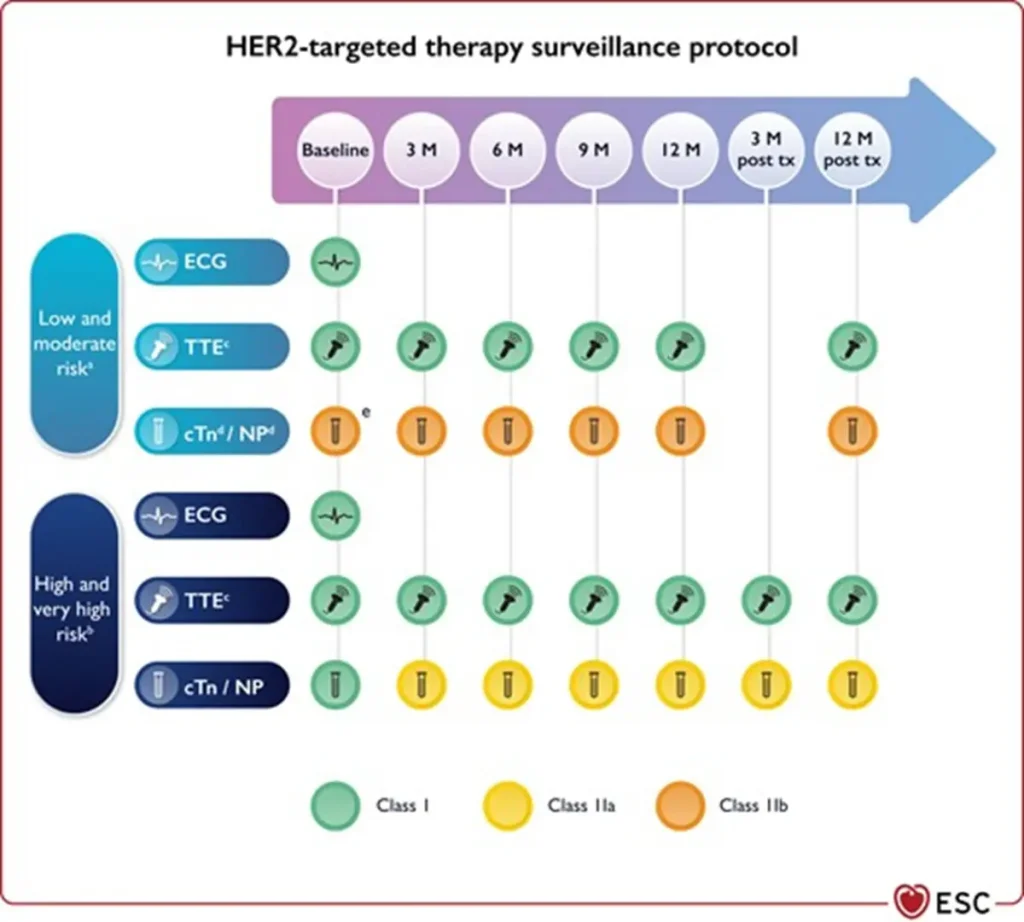
References

  • Rana, S., et al. (2023). “The Cardiovascular Risks Associated with Aromatase Inhibitors, Tamoxifen, and GnRH Agonists in Women with Breast Cancer.” Current Atherosclerosis Reports, 25(4), 145-154.
  • Okwuosa TM et al. ‘Impact of Hormonal Therapies for the Treatment of Hormone-Dependent Cancers (Breast and Prostate) on the Cardiovascular System: Effects and Modifications: A Scientific Statement From the American Heart Association’. Circulation: Genomic and Precision Medicine Vol 14 Issue 3, June 2021
  • Lyon A et al (2022) 2022 ESCGuidelines on cardio-oncology  developed in collaboration with the European  HematologyAssociation(EHA), the European Society for Therapeutic Radiology and  Oncology (ESTRO) and the International  Cardio-Oncology Society (IC-OS).   Eur Heart Journal (2022) 43, 4229–4361 https://doi.org/10.1093/eurheartj/ehac244

GnRH antagonists

Drug class / agents (commercial names)Main oncologic indicationsESC-aligned cardiotoxicity profileApproximate risk & surveillance
GnRH antagonists Degarelix (Firmagon®) Relugolix (Orgovyx®)

Prostate cancer requiring rapid testosterone suppression, particularly in advanced or metastatic disease.

  • Mainly driven through indirect effects on cardiovascular risk factors: hypertension, hyperlipidaemia, hyperglycaemia / insulin resistance.
  • Increased risk of ischemic heart disease, stroke
  • Slight QTc prolongation

Cardiovascular events: ~3%

Generally lower than with GnRH agonists

GnRH antagonists are associated with a lower overall cardiovascular event rate compared with GnRH agonists, making them a preferred option in patients with high baseline cardiovascular risk, while still requiring structured cardiometabolic surveillance.

Proposed Surveillance (ESC guidelines):
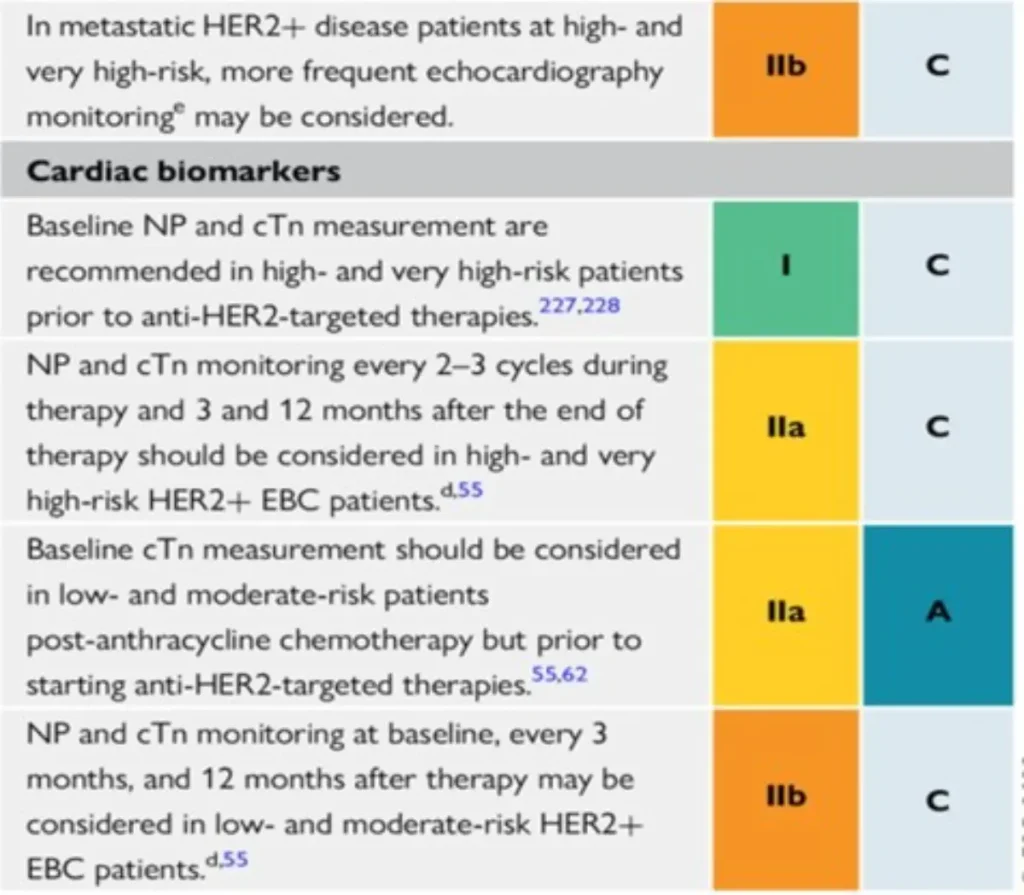
References

  • Rana, S., et al. (2023). “The Cardiovascular Risks Associated with Aromatase Inhibitors, Tamoxifen, and GnRH Agonists in Women with Breast Cancer.” Current Atherosclerosis Reports, 25(4), 145-154.
  • Okwuosa TM et al. ‘Impact of Hormonal Therapies for the Treatment of Hormone-Dependent Cancers (Breast and Prostate) on the Cardiovascular System: Effects and Modifications: A Scientific Statement From the American Heart Association’. Circulation: Genomic and Precision Medicine Vol 14 Issue 3, June 2021

ARTA

Drug class / agents (commercial names) Main oncologic indications Type of cardiotoxicity Approximate risk
ARTA – early generation (non-steroidal anti-androgens) Bicalutamide (Casodex®) Flutamide (Eulexin®) Nilutamide (Anandron®) – only rearely in use
  • Increased CV event risk when combined with ADT.
  • Any-grade CV events: up to 75% relative risk increase (RR ~1.75) when ARTA added to ADT.
  • Severe (grade ≥3) CV events: up to 2-fold increase (RR ~2.10).
ARTA – second generation Enzalutamide (Xtandi®) Apalutamide (Erleada®) Darolutamide (Nubeqa®) Prostate cancer:
  • Metastatic hormone-sensitive PCa (mHSPC)
  • Non-metastatic castration-resistant PCa (nmCRPC)
  • Metastatic castration-resistant PCa (mCRPC)
  • Hypertension • Heart failure
  • Ischemic events (MI, stroke)
  • Dyslipidaemia, diabetes
  • Slight QTc prolongation
Testosterone synthesis inhibitors Abiraterone acetate (Zytiga®) Prostate cancer: • mHSPC • mCRPC (with prednisone)
  • Atrial fibrillation
  • Fluid retention / oedemaHypokalaemia (mineralocorticoid excess)
  • Hypertension
  • Heart failure
  • Increased risk of ischemic events

Androgen receptor–targeted agents substantially increase cardiovascular risk when added to ADT, with both any-grade and severe CV events occurring more frequently, underscoring the importance of baseline cardiovascular risk assessment, blood pressure control, and metabolic monitoring.

Proposed Surveillance (ESC guidelines):
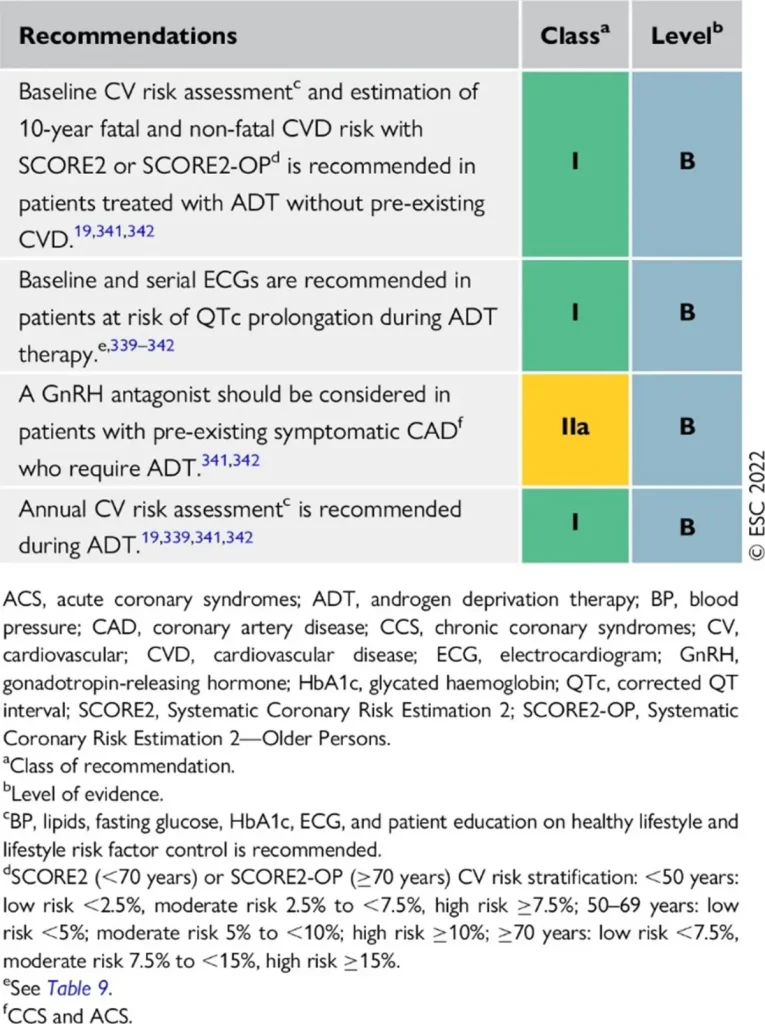
References

  • Rana, S., et al. (2023). “The Cardiovascular Risks Associated with Aromatase Inhibitors, Tamoxifen, and GnRH Agonists in Women with Breast Cancer.” Current Atherosclerosis Reports, 25(4), 145-154.
  • Okwuosa TM et al. ‘Impact of Hormonal Therapies for the Treatment of Hormone-Dependent Cancers (Breast and Prostate) on the Cardiovascular System: Effects and Modifications: A Scientific Statement From the American Heart Association’. Circulation: Genomic and Precision Medicine Vol 14 Issue 3, June 2021
  • Lyon A et al (2022) 2022 ESCGuidelines on cardio-oncology  developed in collaboration with the European  HematologyAssociation(EHA), the European Society for Therapeutic Radiology and  Oncology (ESTRO) and the International  Cardio-Oncology Society (IC-OS).   Eur Heart Journal (2022) 43, 4229–4361 https://doi.org/10.1093/eurheartj/ehac244

RAF and MEK inhibitors

Drug class / agentsMain oncologic indicationsType of cardiotoxicityApproximate risk

BRAF inhibitors (BRAFi) Vemurafenib (Zelboraf®)
Dabrafenib (Tafinlar®)
Encorafenib (Braftovi®)

MEK inhibitors (MEKi) Trametinib (Mekinist®)
Cobimetinib (Cotellic®)
Binimetinib (Mektovi®)
Selumetinib (Koselugo®)

  • BRAF-mutated unresectable or metastatic melanoma.
  • BRAF-mutated thyroid and colorectal cancers (often in combination regimens).
  • Selected rare tumours with  MAPK-pathway activation, e.g. histiocytic disorders, paediatric low-grade gliomas; (drug-specific).
  • LV dysfunction with all BRAFi/MEKi combinations)
  • Arterial hypertension and pulmonary hypertension
  • Atrial fibrillation (BRAFi alone or combined with MEKi)
  • Myocardial infarction (rare)
  • QTc prolongation (specific to vemurafenib + cobimetinib)
  • LV dysfunction with all BRAFi/MEKi combinations)
  • Arterial hypertension and pulmonary hypertension
  • Atrial fibrillation (BRAFi alone or combined with MEKi)
  • Myocardial infarction (rare)
  • QTc prolongation (specific to vemurafenib + cobimetinib)

RAF/MEK inhibitor related cardiovascular toxicity

Proposed Surveillance (ESC guidelines):
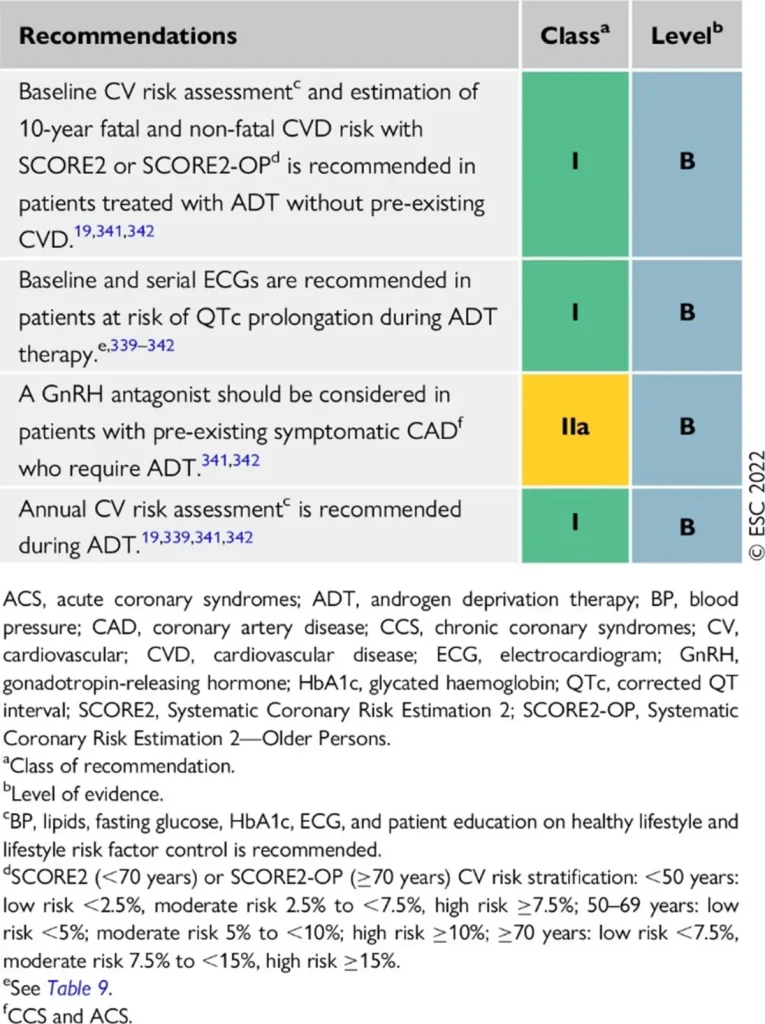
Consider additional TTE 4 weeks after starting the therapy in high and very high risk patients, as most CTRCD with RAF/MEKi develop early.

References

  • Glen C et al. Mechanistic and Clinical Overview Cardiovascular Toxicity of BRAF and MEK Inhibitors: JACC: CardioOncology State-of-the-Art Review, JACC: CardioOncology, Volume 4, Issue 1, 2022,Pages 1-18,
  • Lyon A et al (2022) 2022 ESCGuidelines on cardio-oncology developed in collaboration with the European  HematologyAssociation(EHA), the European Society for Therapeutic Radiology and  Oncology (ESTRO) and the International  Cardio-Oncology Society (IC-OS).   Eur Heart Journal (2022) 43, 4229–4361 https://doi.org/10.1093/eurheartj/ehac244

Breast cancer TKI

 
Drug class / agents Main oncologic indications Type of cardiotoxicity Approximate risk (agent-specific where relevant)
CDK4/6 inhibitors Ribociclib (Kisqali®), Palbociclib (Ibrance®), Abemaciclib (Verzenios®) Hormone receptor–positive, HER2-negative locally advanced or metastatic breast cancer, in combination with endocrine therapy.
  • QT prolongation (predominantly ribociclib)
  • Hypertension
  • Heart failure (uncommon)
  • Atrial fibrillation (reported in real-world data)
  • QT prolongation (ribociclib): QTc>480 ms ~15–20%, QTc>500 ms: ~3–5%
  • Heart failure <2–3%.
  • Hypertension: Palbociclib: ~10–15%, Abemaciclib: ~10–20%
  • Atrial fibrillation <5%.
  • VTE (abemaciclib): 2–5%.
PARP inhibitors (PARPi) Olaparib, Talazoparib Germline BRCA1/2–mutated, HER2-negative breast cancer:
  • High-risk early-stage (adjuvant olaparib)
  • Metastatic disease
No consistent association with CTRCD, arrhythmias, or hypertension

In oncology patients, the Fridericia formula (QTcF = QT/RR¹³) is preferred for QT correction because it reduces the overestimation of QT prolongation seen with Bazett’s formula — particularly at higher heart rates — and minimizes inappropriate management changes during QT-prolonging cancer therapy.

Proposed Surveillance for patients receiving CDK4/6i (ESC guidelines):

No cardiovascular surveillance is required for patients receiving PARPi

References

  • Park C, Liu YS, Kenawy AS, Lin YH, Liu Y, Heo JH. Cardiovascular Adverse Events and Associated Costs of CDK4/6 Inhibitors in Patients With Breast Cancer. J Natl Compr Canc Netw. 2025 Apr 18;23(5):e257001. doi: 10.6004/jnccn.2025.7001. PMID: 40250478.
  • Pavlovic D, Niciforovic D, Papic D, Milojevic K, Markovic M. CDK4/6 inhibitors: basics, pros, and major cons in breast cancer treatment with specific regard to cardiotoxicity – a narrative review. Ther Adv Med Oncol. 2023 Oct 11;15:17588359231205848.
  • Lyon A et al (2022) 2022 ESCGuidelines on cardio-oncology developed in collaboration with the European  HematologyAssociation(EHA), the European Society for Therapeutic Radiology and  Oncology (ESTRO) and the International  Cardio-Oncology Society (IC-OS)
  • Palazzo A et al. Major adverse cardiac events and cardiovascular toxicity with PARP inhibitors-based therapy for solid tumors: a systematic review and safety meta-analysis. ESMO Open. 2023 Apr;8(2):101154. Eur Heart Journal (2022) 43, 4229–4361
  • Richardson DR et al. Association of QTc Formula With the Clinical Management of Patients With Cancer. JAMA Oncol.2022;8(11):1616–1623. doi:10.1001/jamaoncol.2022.4194

BCR-ABL inhibitors

 
Drug class / agents Main oncologic / hematologic indications Type of cardiotoxicity Approximate risk (agent-specific where relevant)
BCR-ABL inhibitors Imatinib (Glivec®) Dasatinib (Sprycel®) Nilotinib (Tasigna®) Ponatinib (Iclusig®) Bosutinib (Bosulif®) Hematologic malignancies:
  • Chronic myeloid leukemia (CML, all phases)
  • Philadelphia-positive ALL
  • Other rare BCR-ABL–driven neoplasms
Solid tumours:
  • adjuvant or metastatic gastrointestinal stromal tumours (GIST)
(Imatinib)
  • Left ventricular dysfunction / heart failure
  • QT prolongation
  • Pulmonary hypertension (notably with dasatinib)
  • Arterial occlusive events and hypertension (agent-dependent)
LV dysfunction / CHF:
  • Imatinib: ~1–3% (higher in elderly/comorbid patients)
  • Dasatinib: ~3–10%; also associated with pulmonary hypertension
  • Nilotinib: ~2–5%; also associated with arterial occlusive events
  • Ponatinib: HF ~5–10%, hypertension >40–50%, high arterial thrombotic risk
QT prolongation (significant): ~5–15% (variable across agents)

BCR-ABL inhibitors related cardiovascular toxicities

Proposed Surveillance (ESC guidelines):
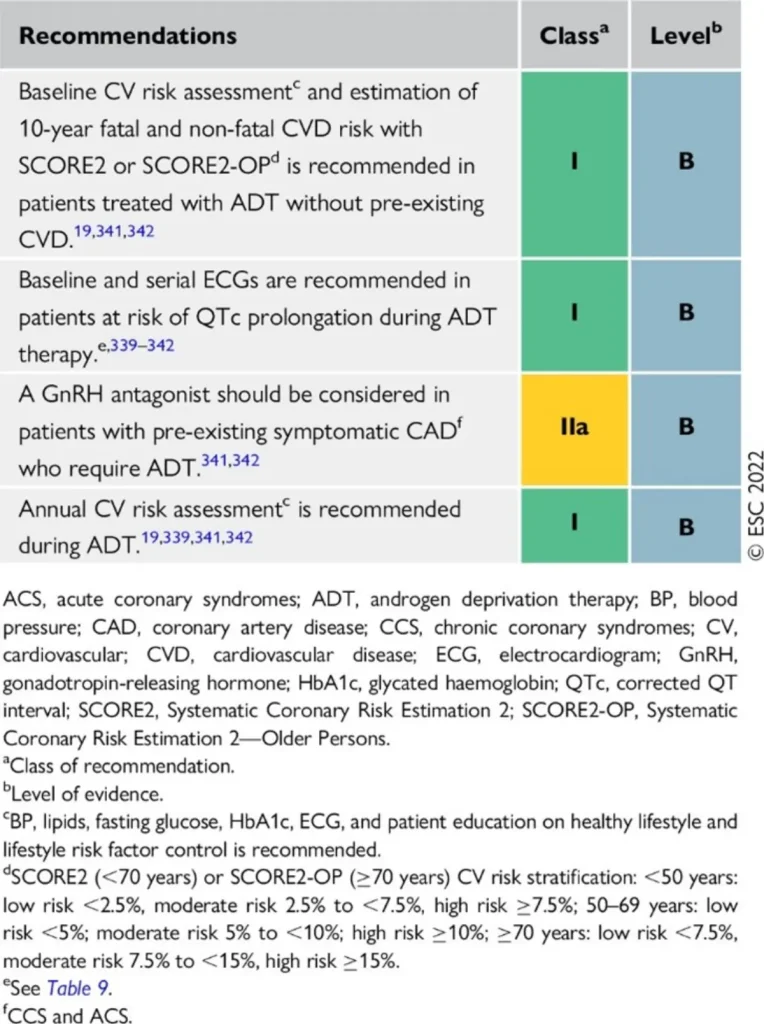
References

  • Weisfelner Bloom M et al. Cardio-Oncology and Heart Failure: a Scientific Statement From the Heart Failure Society of America. Journal of Cardiac Failure Volume 31, Issue 2 p 415-455February 2025
  • Sayegh et al. Cardiovascular Toxicities Associated with Tyrosine Kinase Inhibitors. Curr Cardiol Rep. 2023 April ; 25(4): 269–280. doi:10.1007/s11886-023-01845-2
  • Mendez-Ruiz et al. Bleeding Risk With Antiplatelets and Bruton’s Tyrosine Kinase Inhibitors in Patients With Percutaneous Coronary Intervention. Journal of the Society for Cardiovascular Angiography & Interventions, Volume 2, Issue 3, 2023. https://doi.org/10.1016/j.jscai.2023.100608.
  • Lyon A et al (2022) 2022 ESCGuidelines on cardio-oncology developed in collaboration with the European  HematologyAssociation(EHA), the European Society for Therapeutic Radiology and  Oncology (ESTRO) and the International  Cardio-Oncology Society (IC-OS).   Eur Heart Journal (2022) 43, 4229–4361 https://doi.org/10.1093/eurheartj/ehac244

Multikinase inhibitors


Drug class / agentsMain oncologic indicationsType of cardiotoxicityApproximate risk

Vascular endothelial growth factor inhibitors VEGF (VEGFi)

Sunitinib (Sutent®)

Sorafenib (Nexavar®)

Pazopanib (Votrient®)

Axitinib (Inlyta®)

Lenvatinib (Lenvima®)

Cabozantinib (Cabometyx® / Cometriq®)

Regorafenib (Stivarga®)

Vandetanib (Caprelsa®)

  • Renal cell carcinoma,
  • hepatocellular carcinoma,
  • differentiated and medullary thyroid cancers,
  • GIST,
  • some other rare solid tumors depending on the specific agent.
  • Hypertension (very common)
  • LV dysfunction / heart failure
  • Hypertension (all grades): 20–70% (Grade 3–4: 10–20%)
  • Heart failure: 5–15% • Symptomatic CHF up to ~10–15% (higher with specific agents, eg. Sunitinib)
  • QT prolongation: 5–15%

Angiogenesis inhibitor related cardiovascular toxicities

Proposed Surveillance (ESC guidelines):
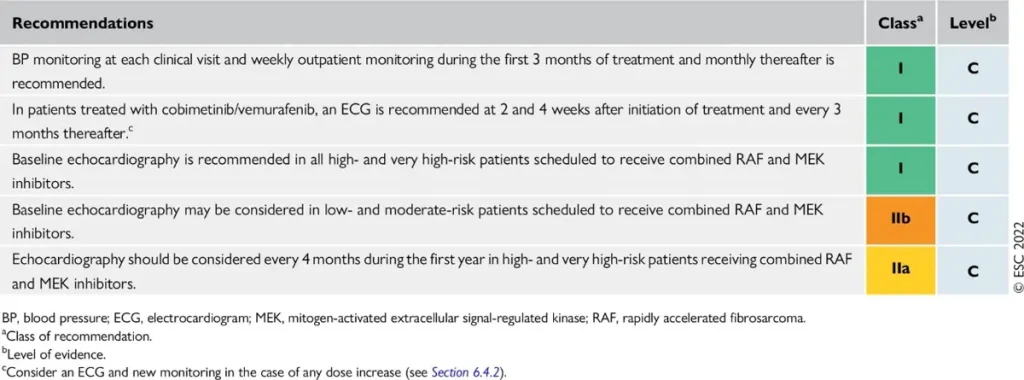
NTproBNP is not reimbursed in Belgium

References

  • Touyz RM, Herrmann J. Cardiotoxicity with vascular endothelial growth factor inhibitor therapy. NPJ Precis Oncol. 2018 May 8;2:13. doi: 10.1038/s41698-018-0056-z. PMID: 30202791; PMCID: PMC5988734.
  • Lyon A et al (2022) 2022 ESCGuidelines on cardio-oncology developed in collaboration with the European  HematologyAssociation(EHA), the European Society for Therapeutic Radiology and  Oncology (ESTRO) and the International  Cardio-Oncology Society (IC-OS).   Eur Heart Journal (2022) 43, 4229–4361 https://doi.org/10.1093/eurheartj/ehac244

ALK inhibitors

Drug class / agentsMain oncologic indicationsType of cardiotoxicityApproximate risk & surveillance
ALK inhibitors Crizotinib, Ceritinib, Alectinib, Brigatinib, Lorlatinib

ALK-positive NSCLC.

ROS1-positive NSCLC (selected agents).

Other rare ALK-driven tumours.

  • Bradycardia (most common)
  • QT prolongation
  • Rare LV dysfunction or other arrhythmias

Bradycardia: ~10–20%, often asymptomatic.

QT prolongation: ~5–10%.

EGFR inhibitors Erlotinib, Lapatinib

EGFR-mutated NSCLC (erlotinib). HER2-positive metastatic breast cancer (lapatinib, usually with capecitabine).

  • QT prolongation
  • Rare LV dysfunction, myocardial ischemia

Overall low cardiovascular risk (<2–3%)

Surveillance :

ALK and EGFR inhibitors are non-angiogenic TKIs with a cardiovascular toxicity profile dominated by electrical disturbances rather than vascular toxicity, and generally require limited routine cardiac surveillance. Individualized approach is therefore recommended

References

  • Liu Y, Chen C, Rong C, He X, Chen L. Anaplastic Lymphoma Kinase Tyrosine Kinase Inhibitor-Associated Cardiotoxicity: A Recent Five-Year Pharmacovigilance Study. Front Pharmacol. 2022 Mar 17;13:858279. doi: 10.3389/fphar.2022.858279. PMID: 35370632; PMCID: PMC8968911.
  • Lyon A et al (2022) 2022 ESCGuidelines on cardio-oncology developed in collaboration with the European  HematologyAssociation(EHA), the European Society for Therapeutic Radiology and  Oncology (ESTRO) and the International  Cardio-Oncology Society (IC-OS).   Eur Heart Journal (2022) 43, 4229–4361 https://doi.org/10.1093/eurheartj/ehac244

BTK inhibitors

Drug class / agents Main hematologic indications Type of cardiotoxicity Approximate risk (agent-specific where relevant)
BTK inhibitors Ibrutinib (Imbruvica®) Acalabrutinib (Calquence®) Zanubrutinib (Brukinsa®) B-cell malignancies:
  • Chronic lymphocytic leukemia / small lymphocytic lymphoma (CLL/SLL)
  • Waldenström macroglobulinemia
  • Mantle cell lymphoma
  • Other B-cell non-Hodgkin lymphomas
  • Atrial fibrillation
  • Arterial hypertension
  • Heart failure (diastolic and/or systolic)
  • Rare ventricular arrhythmias (not QT-related)
  • Heart failure: Ibrutinib: ~3.7–7.7%, Acalabrutinib: ~2.1%
  • Atrial fibrillation: Ibrutinib: ~6–15%, lower incidence with acalabrutinib and zanubrutinib
  • Arterial hypertension: Ibrutinib: up to ~78%, Acalabrutinib: up to ~54%
  • Ventricular arrhythmias not related to QTc prolongation) uncommon, but awareness is needed

Bleeding is very common, particularly with ibrutinib (up to ~55%), due to off-target antiplatelet effects. Individualized risk–benefit assessment is required in patients needing antiplatelet or anticoagulant therapy, especially dual antiplatelet therapy.

Proposed Surveillance (ESC guidelines) :

References

  • Weisfelner Bloom M et al. Cardio-Oncology and Heart Failure: a Scientific Statement From the Heart Failure Society of America. Journal of Cardiac Failure Volume 31, Issue 2 p 415-455February 2025
  • Sayegh et al. Cardiovascular Toxicities Associated with Tyrosine Kinase Inhibitors. Curr Cardiol Rep. 2023 April ; 25(4): 269–280. doi:10.1007/s11886-023-01845-2
  • Mendez-Ruiz et al. Bleeding Risk With Antiplatelets and Bruton’s Tyrosine Kinase Inhibitors in Patients With Percutaneous Coronary Intervention. Journal of the Society for Cardiovascular Angiography & Interventions, Volume 2, Issue 3, 2023. https://doi.org/10.1016/j.jscai.2023.100608.
  • Lyon A et al (2022) 2022 ESCGuidelines on cardio-oncology developed in collaboration with the European  HematologyAssociation(EHA), the European Society for Therapeutic Radiology and  Oncology (ESTRO) and the International  Cardio-Oncology Society (IC-OS).   Eur Heart Journal (2022) 43, 4229–4361 https://doi.org/10.1093/eurheartj/ehac244

Angiogenesis inhibitors


Drug class / agentsMain oncologic indicationsType of cardiotoxicityApproximate risk
anti-VEGF monoclonal antibodies Bevacizumab (Avastin®)
  • Colorectal cancer, renal cell carcinoma,
  • NSCLC,
  • ovarian and cervical cancer,
  • selected primary brain tumors (e.g. meningioma).
  • Hypertension (most common)
  • Left ventricular dysfunction / heart failure
  • Arterial thromboembolic events (myocardial infarction, stroke)
  • Hypertension (all grades): 20–40% (Grade 3–4: 5–15%)
  • Heart failure: 1–4%

Vascular endothelial growth factor inhibitors VEGF (VEGFi)

Sunitinib (Sutent®)

Sorafenib (Nexavar®)

Pazopanib (Votrient®)

Axitinib (Inlyta®)

Lenvatinib (Lenvima®)

Cabozantinib (Cabometyx® / Cometriq®)

Regorafenib (Stivarga®)

Vandetanib (Caprelsa®)
  • Renal cell carcinoma,
  • hepatocellular carcinoma,
  • differentiated and medullary thyroid cancers,
  • GIST,
  • some other rare solid tumors depending on the specific agent.
  • Hypertension (very common)
  • LV dysfunction / heart failure
  • Hypertension (all grades): 20–70% (Grade 3–4: 10–20%)
  • Heart failure: 5–15% • Symptomatic CHF up to ~10–15% (higher with specific agents, eg. Sunitinib)
  • QT prolongation: 5–15%

Angiogenesis inhibitor related cardiovascular toxicities
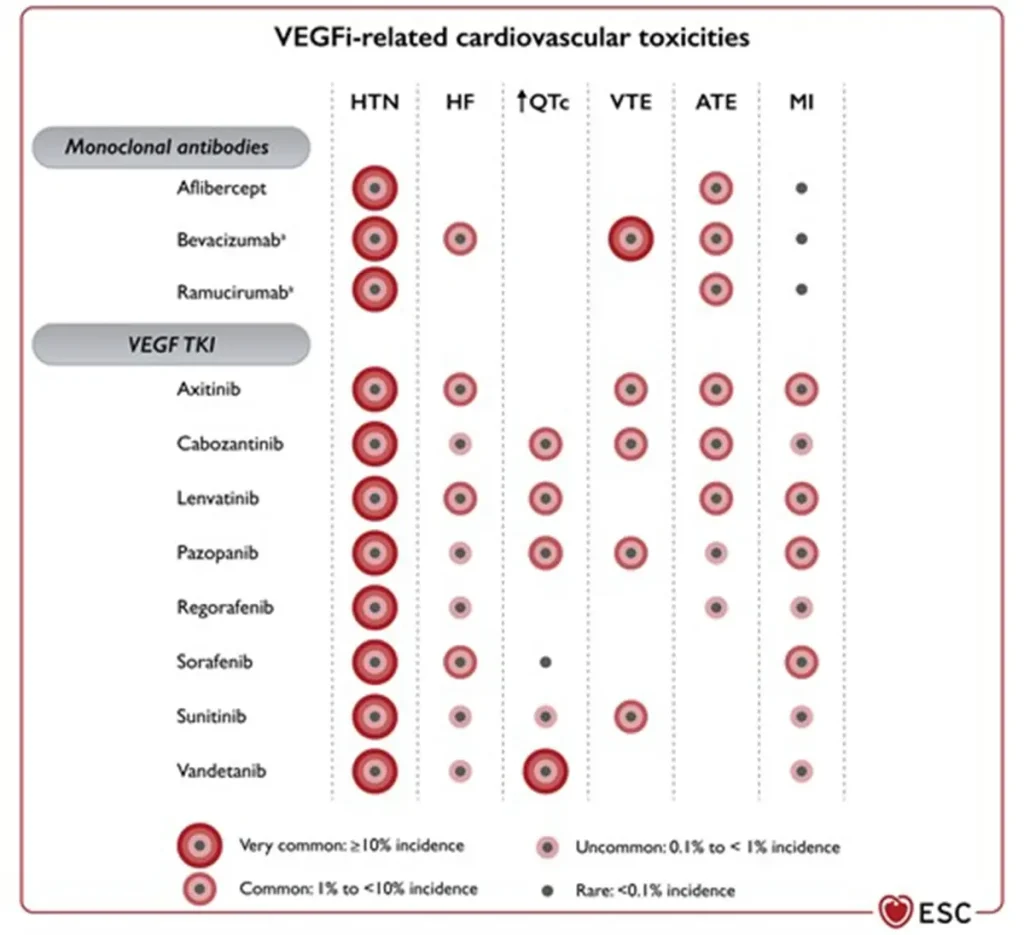
Proposed Surveillance (ESC guidelines) :
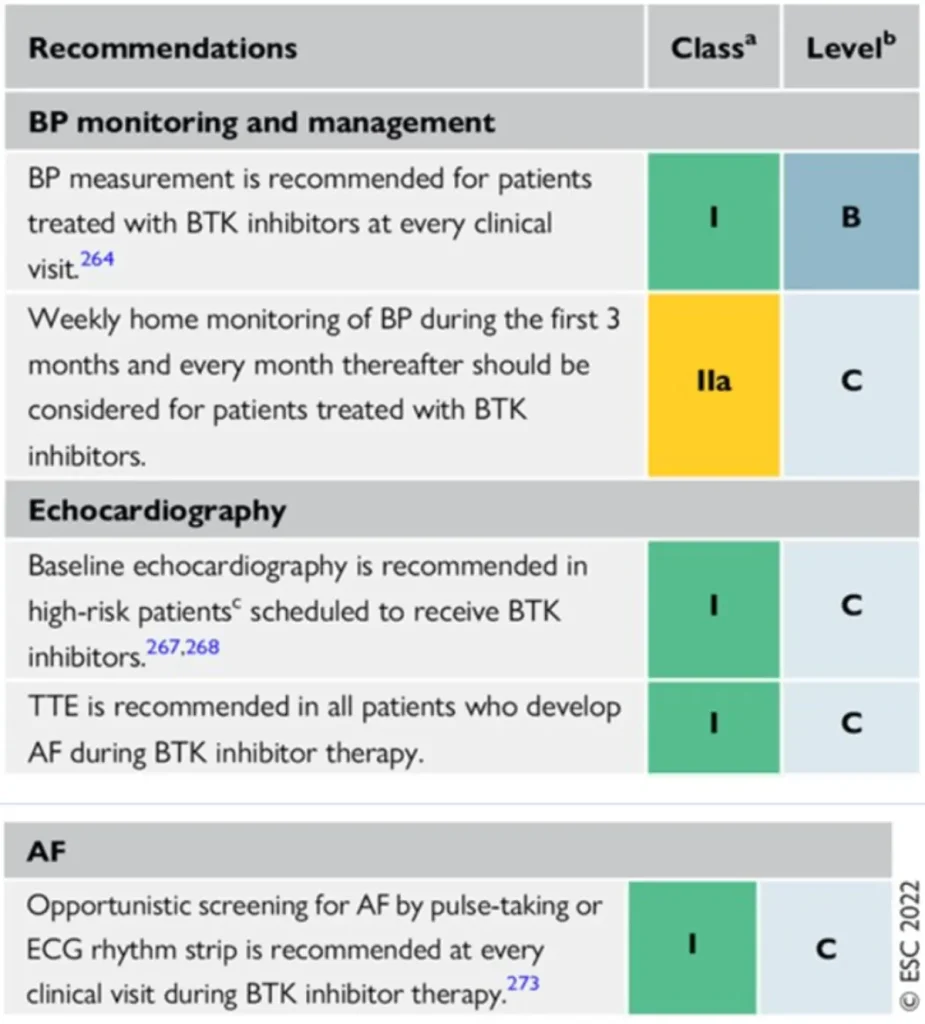
NTproBNP is not reimbursed in Belgium

References

  • Touyz RM, Herrmann J. Cardiotoxicity with vascular endothelial growth factor inhibitor therapy. NPJ Precis Oncol. 2018 May 8;2:13. doi: 10.1038/s41698-018-0056-z. PMID: 30202791; PMCID: PMC5988734.
  • Lyon A et al (2022) 2022 ESCGuidelines on cardio-oncology developed in collaboration with the European  HematologyAssociation(EHA), the European Society for Therapeutic Radiology and  Oncology (ESTRO) and the International  Cardio-Oncology Society (IC-OS).   Eur Heart Journal (2022) 43, 4229–4361 https://doi.org/10.1093/eurheartj/ehac244

SERM


Drug class / agents (commercial names)Main oncologic indicationsType of cardiotoxicityApproximate risk
Aromatase inhibitors (AIs) Anastrozole (Arimidex®) Letrozole (Femara®) Exemestane (Aromasin®)
  • Hormone receptor–positive, HER2-negative breast cancer (adjuvant and metastatic).
  • Occasionally other hormone-sensitive malignancies.
  • Dyslipidaemia
  • Hypertension
  • Ischemic heart disease
  • Increased overall cardiovascular event risk
  • Absolute CV risk generally small.
  • Relative CV risk can be 10–25% higher compared with tamoxifen, especially in patients with pre-existing CV risk factors.

Selective estrogen receptor modulators (SERMs) Tamoxifen (Nolvadex®) Raloxifene (Evista®)

  • Hormone receptor–positive breast cancer (adjuvant and metastatic).
  • Breast cancer risk reduction in high-risk women.
  • Venous thromboembolism (DVT, PE, stroke)
  • Diabetes mellitus
  • Venous thromboembolism: ~1–3% per year.

  • Risk increased with older age, obesity, immobility, and prior VTE.

Okwuosa TM et al. June 2021

Proposed Surveillance (ESC guidelines) :
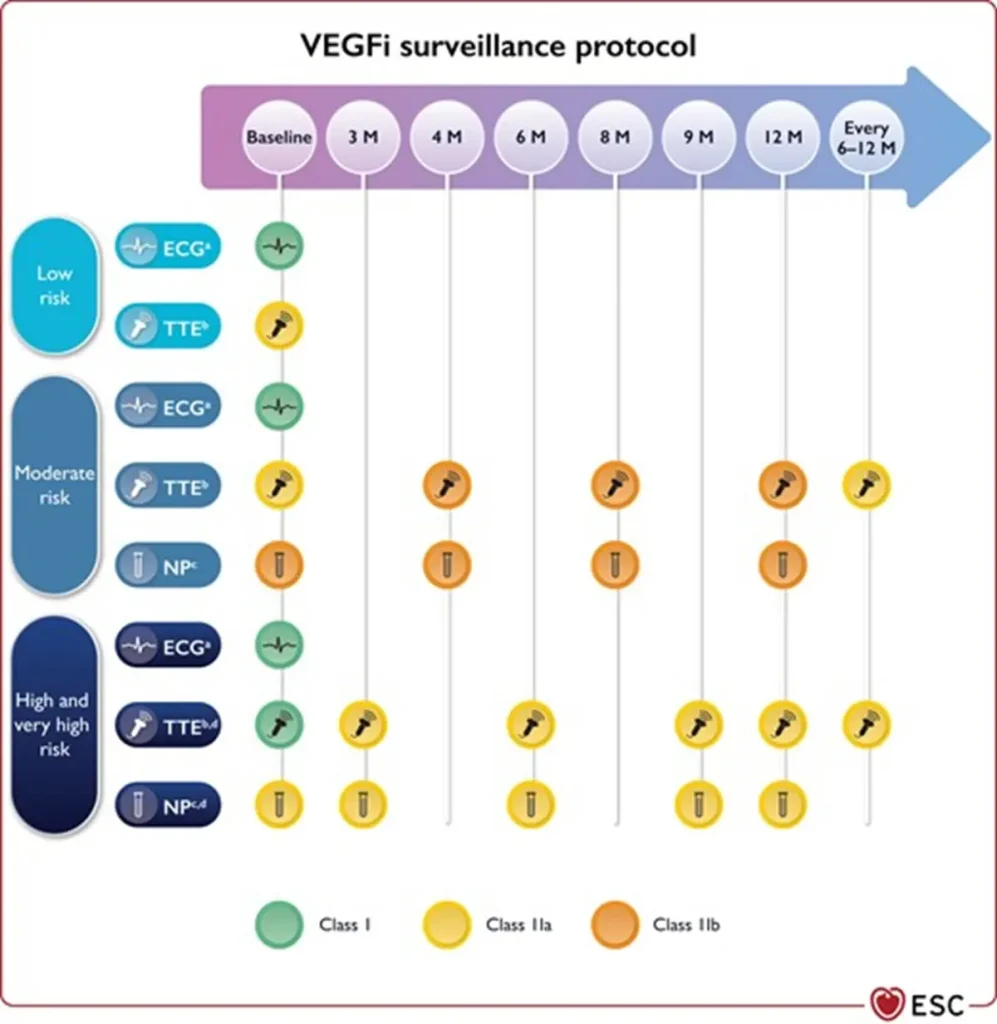
References

  • Rana, S., et al. (2023). “The Cardiovascular Risks Associated with Aromatase Inhibitors, Tamoxifen, and GnRH Agonists in Women with Breast Cancer.” Current Atherosclerosis Reports, 25(4), 145-154.
  • Okwuosa TM et al. ‘Impact of Hormonal Therapies for the Treatment of Hormone-Dependent Cancers (Breast and Prostate) on the Cardiovascular System: Effects and Modifications: A Scientific Statement From the American Heart Association’. Circulation: Genomic and Precision Medicine Vol 14 Issue 3, June 2021
  • Lyon A et al (2022) 2022 ESCGuidelines on cardio-oncology  developed in collaboration with the European  HematologyAssociation(EHA), the European Society for Therapeutic Radiology and  Oncology (ESTRO) and the International  Cardio-Oncology Society (IC-OS).   Eur Heart Journal (2022) 43, 4229–4361 https://doi.org/10.1093/eurheartj/ehac244